
Container Gardens
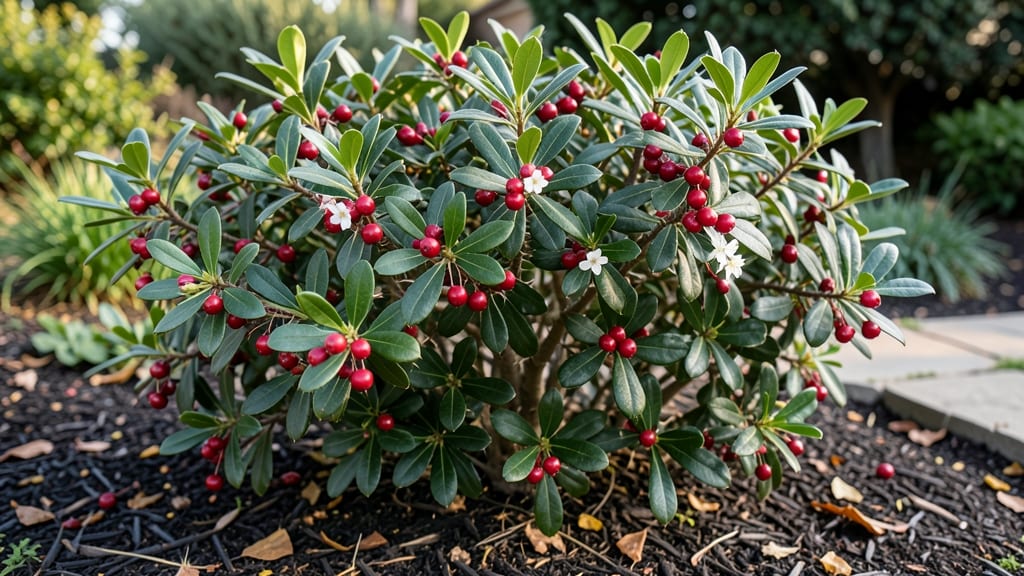
The fastest growing thorn bushes—like Pyracantha corkscrew berries—can create a 10-foot-tall privacy screen in just one growing season. 🌿 I learned the hard way that not all thorn bushes deliver on speed—until I planted these berry-producing powerhouses that grow 3-5 feet per year and still handle my heavy-handed pruning.
The secret lies in well-draining soil and full sun, but they’re surprisingly low-maintenance once established. Unlike Osage orange (which grows fast but smells terrible when cut), Pyracantha stays fragrant with its citrusy blossoms and provides wildlife-friendly berries for birds.
Even hawthorns take 2-3 years to fill out, so Pyracantha wins for instant impact.
You’ll see new growth within 6 weeks of planting, with dense foliage by summer’s end. The thorns deter deer and nosy neighbors, while the glossy leaves add texture to any yard. Just be ready for a messy berry harvest—birds will love them as much as you do.
Works for fences, trellises, or standalone hedges. Here’s how to plant them for maximum speed and durability without turning your yard into a wildlife buffet.
📚 In This Guide
- What you need
- Instructions
- Tips and common mistakes
- Wrapping up and next steps
What you need
- ● Thorn bush plants: Choose from Pyracantha (Firethorn), Gleditsia triacanthos (Honey Locust), or Berberis thunbergii (Japanese Barberry). Buy 3–5 healthy, 1–3 ft tall plants per section for dense coverage.
- ● High-quality potting mix: 10–20 gallons (for containers) or 50 lbs (for in-ground planting). Use a blend with 60% organic matter (e.g., compost + perlite).
- ○ Containers (optional but recommended): Large fabric grow bags (15–25 gallons) or wooden half-barrels for mobility.
- ● Ensure drainage holes are present or drill them yourself!
- ● Slow-release fertilizer: 10–15 lbs of 10-10-10 or 20-20-20 (organic options like fish emulsion work too!).
- ● Mulch: 2–3 cubic feet of wood chips or straw to retain moisture and suppress weeds.
- ● Garden trowel or spade (for planting).
- ● Pruning shears (sterilized!) for trimming.
- ● Gloves (thick, thorn-proof!) – Trust us, you’ll thank us later. 😉
- ● Watering can or hose with a gentle spray nozzle (thorn bushes hate soggy roots!).
- ● Measuring tape or ruler – Space plants 3–6 ft apart for optimal growth.
- ○ Stakes or trellis (optional) – Use for young plants in windy areas.
- ● Sunlight: Full sun (6+ hours/day) is a must—thorn bushes thrive in bright, open spots.
- ● Well-draining soil: Amend clay soil with sand or compost to prevent root rot.
- ● Water source nearby: Thorn bushes need 1–2 inches of water weekly (more in extreme heat!).
- ● Patience (but not too much!): With proper care, these bushes can grow 3–5 ft in a single season!
How to plant fast-growing thorn bushes for instant privacy
Here’s how to transform bare space into a dense, thorny barrier in just one season.
🌱 Step 1: Choose the Right Fast-Growing Species
For maximum speed, opt for Honey Locust (Gleditsia triacanthos) or Russian Olive (Elaeagnus angustifolia), both capable of growing 8-12 feet per year under ideal conditions. These species develop dense foliage and formidable thorns quickly, deterring intruders and wildlife. I always verify local regulations first—some regions restrict Russian Olive due to invasive tendencies.
Check your hardiness zone: Honey Locust thrives in zones 4-9, while Russian Olive handles zones 3-9. Plant in early spring when roots can establish before summer heat. Avoid fall planting—tender new growth won’t survive winter cold. If you’re in a warmer zone, late winter planting works too, but wait until soil warms to 50°F before digging.
🪴 Step 2: Prepare the Planting Site for Maximum Growth
Clear the area of grass, weeds, and debris—competition slows growth. Use a shovel to dig holes 2-3 times wider than the root ball but only as deep as the container. Thorn bushes hate soggy roots, so amend heavy clay soil with 2 inches of compost mixed into the bottom of each hole. For sandy soil, add 1 inch of peat moss to retain moisture.
Space plants 10-12 feet apart for a solid barrier. If you’re planting 4 bushes (as promised), arrange them in a straight line for a uniform screen. Water each hole deeply before planting—this helps roots expand into moist soil immediately. I like to add a slow-release fertilizer (10-10-10) to the bottom of the hole to give young plants a nutrient boost without burning roots.
☀️ Step 3: Plant and Water for Rapid Establishment
Place the bush in the hole, ensuring the top of the root ball sits level with the surrounding soil—burying too deep suffocates the stem. Backfill with native soil, pressing gently to eliminate air pockets. Water immediately with 2 gallons per plant to settle the soil and encourage root spread. Mulch with 2-3 inches of wood chips, keeping mulch 6 inches away from the trunk to prevent rot.
Here’s the thing—watering consistency is critical. Thorn bushes need 1-2 inches of water weekly during the first growing season. Check soil moisture by pushing a finger 2 inches deep; if dry, water again. Avoid overhead sprinklers—they spread disease. Instead, use a soaker hose to deliver water directly to the root zone. You’ll see new growth within 4-6 weeks if moisture and sunlight are right.
✂️ Step 4: Prune and Maintain for Year-Round Density
Prune in late winter (before buds swell) to shape the bush and encourage dense growth. Remove dead or crossing branches first, then trim back any leggy growth by one-third. For Honey Locust, I cut just above a bud facing outward—this opens the center for airflow and sunlight penetration. Russian Olive tolerates harder pruning, so you can shear it into a formal hedge if desired.
Fertilize in early spring with ½ cup of 10-10-10 fertilizer per plant, working it into the top 2 inches of soil. Avoid high-nitrogen fertilizers—they promote leafy growth at the expense of thorn development. Monitor for pests like spider mites (common on Russian Olive) and treat with neem oil if needed. By year’s end, your bushes should reach 6-8 feet tall with a thick, impenetrable canopy.
Tips & tricks for perfect fast-growing thorn bush privacy screens
These pro insights will help you maximize growth and create an impenetrable barrier in record time.
Species Selection Matters: Honey Locust and Russian Olive are your fastest options, but consider your climate. Russian Olive thrives in colder zones (3-9) and handles drought better once established, while Honey Locust (zones 4-9) grows even faster in moist conditions. I always check local regulations first—some areas restrict Russian Olive due to its invasive nature, so verify before purchasing.
Soil Prep Secret: The 2-3 times wider hole specification isn't just about space—it creates room for roots to spread outward rather than circling the container. For heavy clay soil, mix that 2 inches of compost directly into the native soil at the hole's bottom. This improves drainage while retaining moisture, which is critical for those first 4-6 weeks of root establishment when you're seeing new growth.
Watering Wisdom: That 1-2 inches weekly guideline assumes average rainfall doesn't cover your needs. In hotter months, you might need to supplement with 2 gallons per plant every 3-4 days instead of weekly. The key is consistent moisture at the root zone—overhead sprinklers can actually harm the plants by promoting fungal diseases. A soaker hose delivers water exactly where it's needed without wetting the foliage.
Pruning Precision: When you're trimming back leggy growth by one-third in late winter, focus on creating an open center for Honey Locust. This allows sunlight to penetrate to lower branches, encouraging fuller growth throughout the bush. For Russian Olive, you can be more aggressive with pruning—shearing works well if you want a formal hedge look, but always use clean, sharp tools to avoid tearing the bark.
Pro Tips for Fastest Growing Thorn Bushes
- These pro insights will help you maximize growth and create an impenetrable barrier in record time.
- Species Selection Matters: Honey Locust and Russian Olive are your fastest options, but consider your climate.
- Soil Prep Secret: The 2-3 times wider hole specification isn't just about space—it creates room for roots to spread outward rather than circling the container.
Frequently asked questions
Got questions about fast-growing thorn bushes? You’re not alone! Here are answers to the most common concerns—from planting to maintenance—so you can create your privacy screen with confidence.
How soon can I expect full privacy from these bushes?
Most fast-growing thorn bushes, like Pyracantha or Gleditsia triacanthos (honey locust), can reach 6–10 feet tall in just one growing season under ideal conditions (full sun, well-draining soil, and regular watering). For a dense screen, plant them 3–4 feet apart and prune annually to encourage bushier growth. Within 2–3 years, you’ll have a nearly impenetrable barrier!
Are thorn bushes safe around pets or kids?
Thorn bushes can pose risks if not managed properly. Keep pets and children away while the bushes are young and thorns are sharp. Opt for Pyracantha (berries are toxic to pets) or Gymnocladus dioicus (thorns are less aggressive). Always plant them in well-marked areas and consider adding a gravel border to deter curious hands or paws.
Can I grow these in containers instead of the ground?
Many fast-growing thorn bushes thrive in large containers (20+ gallons), like Hawthorn (Crataegus) or Osage Orange (Maclura pomifera). Use a fast-draining potting mix and repot every 2–3 years to accommodate root growth. Just ensure the container is heavy-duty—thorn bushes can get top-heavy! For best results, place them in full sun and water deeply 2–3 times per week during the first year.
How do I control aggressive growth or overcrowding?
Prune late winter or early spring to shape your bushes and remove dead or crossing branches. For sprawling varieties like Gleditsia, trim back 1/3 of the new growth annually to encourage compactness. If overcrowding occurs, thin out the weakest stems at the base. Warning: Wear gloves and long sleeves—thorns are sharp!
What’s the best climate for these bushes to thrive?
Most fast-growing thorn bushes are hardy in USDA Zones 5–9, but specifics vary:
- Pyracantha: Thrives in zones 7–10; loves heat and humidity.
- Honey Locust: Adapts to zones 4–9; tolerates drought and poor soil.
- Osage Orange: Prefers zones 5–9; handles cold snaps but needs well-draining soil.
If you’re in a hot, dry climate, mulch heavily and water deeply but infrequently. In cooler zones, protect young plants with burlap wraps during harsh winters.
Wrapping up and next steps
Transforming your outdoor space into a lush, private haven doesn’t have to take years—fast-growing thorn bushes are your secret weapon! 🌿 From Osage Orange to Russian Olive, these hardy plants deliver rapid growth, durability, and natural beauty in just one season.
Whether you’re shielding a backyard, securing a fence, or adding texture to a container garden, these thorny powerhouses make it easy to grow privacy fast.
Ready to get started? Pick your favorite variety, grab your tools, and plant with confidence—your dream privacy screen is just a season away! 🌱✨ Review the essentials or browse common questions to kick off your project today.