
Fertilization
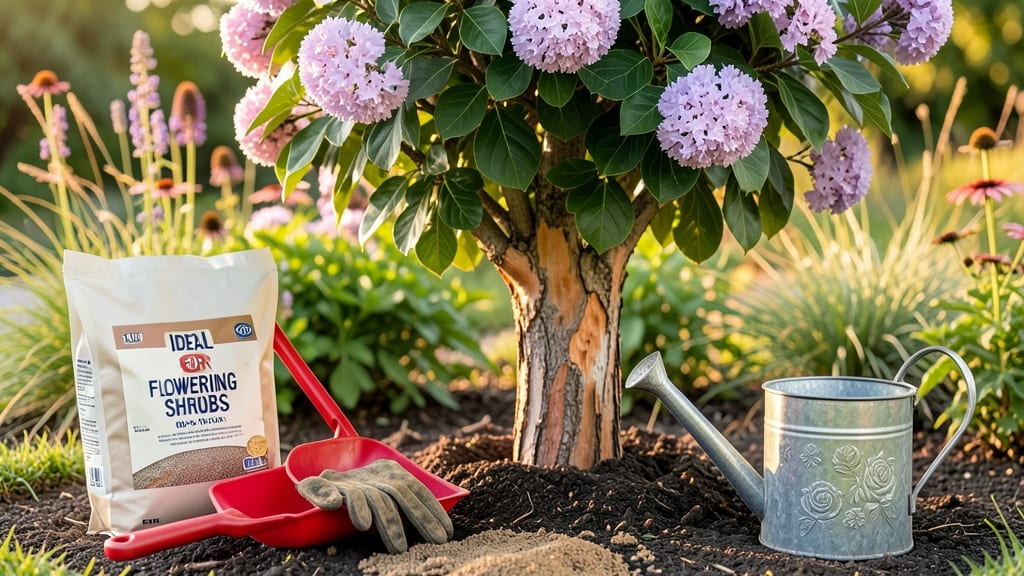
The right fertilizer for crepe myrtle bush 🌸 can turn a struggling shrub into a blooming superstar with the perfect nitrogen-phosphorus-potassium balance.
Struggling to get your crepe myrtle bush to burst with vibrant blooms year after year? The right fertilizer can transform a lackluster plant into a stunning landscape centerpiece—if you use the correct nitrogen-phosphorus-potassium (NPK) ratios and application timing.
Most gardeners overlook the fact that crepe myrtles need a balanced approach—too much nitrogen leads to lush foliage but fewer flowers, while too little phosphorus can stunt root growth. Getting it right means more blooms and healthier growth, but timing and type matter just as much as the formula.
In this guide, I’ll break down the best NPK ratios, organic vs. synthetic options, and the exact timing to apply fertilizer for maximum impact—so you can enjoy a crepe myrtle that thrives from spring to fall.

Optimal NPK ratios for crepe myrtle bloom growth and health
Crepe myrtles (Lagerstroemia) reward gardeners with stunning blooms, but their NPK ratios must align with their growth stages. Too much nitrogen can lead to leafy growth at the expense of flowers, while phosphorus and potassium are critical for vibrant blooms and root strength.
Understanding these ratios transforms your crepe myrtle from a lackluster shrub into a showstopping landscape star.
For newly planted crepe myrtles, focus on a balanced NPK ratio like 10-10-10 to encourage root development and early establishment. Mature plants, however, thrive with a higher phosphorus ratio (e.g., 5-10-5) to promote abundant flowering.
The key is seasonal adjustments—spring feeds support growth, while summer applications prioritize phosphorus for blooms.
Over-fertilizing is a common mistake that can burn roots or cause leaf scorch. Always follow the label instructions and apply fertilizer evenly around the drip line, not the trunk. For organic options, compost or bone meal adds phosphorus naturally, while synthetic blends offer precise NPK control.
Slow-release fertilizers (like granular pellets) provide steady nutrients, while liquid fertilizers offer quick uptake. I recommend slow-release for beginners—it reduces the risk of nutrient overload and aligns with crepe myrtles' seasonal needs.
Here’s a quick breakdown of what works best for each growth stage:
| Growth Stage | Ideal NPK Ratio | Best Fertilizer Type | Application Time |
|---|---|---|---|
| Newly Planted | 10-10-10 | Slow-release granular | Early spring |
| Established (Spring) | 12-6-6 | Liquid or granular | April-May |
| Blooming (Summer) | 5-10-5 | Slow-release or organic | June-July |
| Mature (Fall/Winter) | None (dormant) | N/A | Skip |
Organic fertilizers like composted manure or fish emulsion improve soil health over time, while synthetic blends (e.g., Miracle-Gro) deliver instant results. I’ve found that organic options work best for long-term soil enrichment, but synthetics can give a quick bloom boost when timed correctly.
Timing is everything—apply spring fertilizer before new growth appears (around April in most climates) and a second dose in mid-summer to support flowering. Avoid fertilizing in fall or winter, as crepe myrtles are dormant and won’t benefit. Over-fertilizing here can even weaken roots before winter.
For potted crepe myrtles, halve the recommended dose to prevent root burn. Always water the plant thoroughly after fertilizing to help nutrients reach the roots. If you notice yellowing leaves or stunted growth, flush the soil with water to remove excess salts.
Pro tip: Mix slow-release granules into the top 2-3 inches of soil in early spring. This ensures a steady supply of nutrients as your crepe myrtle wakes from dormancy.
Pair this with mulch to retain moisture and regulate soil temperature—your plant will thank you with healthier blooms and fewer pests.
Remember, crepe myrtles are drought-tolerant once established, so don’t overwater after fertilizing. Aim for deep, infrequent watering to encourage strong root systems. With the right NPK balance and timing, your crepe myrtle will reward you with season-long color and minimal fuss.
Step-by-step fertilizer application guide for maximum blooms
Timing your crepe myrtle fertilizer application is everything—too early or late, and you’ll miss the sweet spot for vibrant blooms. The key is feeding when your plant is actively growing but not so late that it stresses the bush before winter.
For me, this means two main applications: early spring and mid-summer. Early spring kickstarts growth, while mid-summer supports those showstopping flowers you’re dreaming of.
Before you grab that bag of fertilizer, check your crepe myrtle’s soil. These beauties thrive in well-draining, slightly acidic soil (pH 6.0–7.0). If your soil is heavy clay or overly sandy, amend it first with compost or aged manure to improve texture and nutrient retention.
Think of it like giving your plant a cozy, nutrient-rich bed to stretch its roots into.
-
1
Choose Your Fertilizer
Pick a balanced 10-10-10 NPK for crepe myrtles. Slow-release granules are ideal for spring, while liquid fertilizers work well for summer top-ups. Organic options like fish emulsion or compost tea are gentler and improve soil long-term. -
2
Apply in Early Spring
Spread ½ cup per mature plant of granular fertilizer around the drip line (not the trunk!). Water thoroughly to activate granules. For young plants, use ¼ cup. This feeds roots as they wake up from dormancy. -
3
Mid-Summer Top-Up
Switch to liquid fertilizer (diluted per label) when buds form. Water first to prevent root burn, then apply. Focus on the root zone—avoid wetting leaves to reduce fungal risks. Repeat every 6-8 weeks until late summer. -
4
Even Distribution Check
Use a spreaders or hand to distribute fertilizer evenly in a 3-inch-wide band around the base. Avoid piling near the trunk—this can cause leaf scorch. For large bushes, divide the dose into two applications 2 weeks apart. -
5
Avoid Fall/Winter Feeding
Stop fertilizing by early September to let your crepe myrtle harden off for winter. New growth stimulated by late fertilizer is vulnerable to frost damage. Instead, focus on mulching with 2–3 inches of organic mulch to insulate roots.
One of my biggest mistakes early on was over-fertilizing in summer, which led to lush foliage but fewer blooms. Crepe myrtles prioritize flowers over leaves, so a balanced NPK (like 10-10-10) keeps both in check.
Pro tip: If your plant’s leaves turn yellow, you’re likely overdoing it—flush the soil with water and cut back on applications.
For potted crepe myrtles, halve the fertilizer dose and apply every 4-6 weeks from spring to summer. Container plants dry out faster, so monitor soil moisture closely—overwatering + over-fertilizing is a deadly combo for roots.
Always water before fertilizing to ensure nutrients reach the roots, not just the surface.
Watch your crepe myrtle respond within 2-3 weeks of proper fertilization: new growth, glossy leaves, and buds forming are your rewards. If you follow these steps, you’ll be the envy of the neighborhood with a bush bursting with colorful blooms from summer through fall. 🌸