
Shrubs
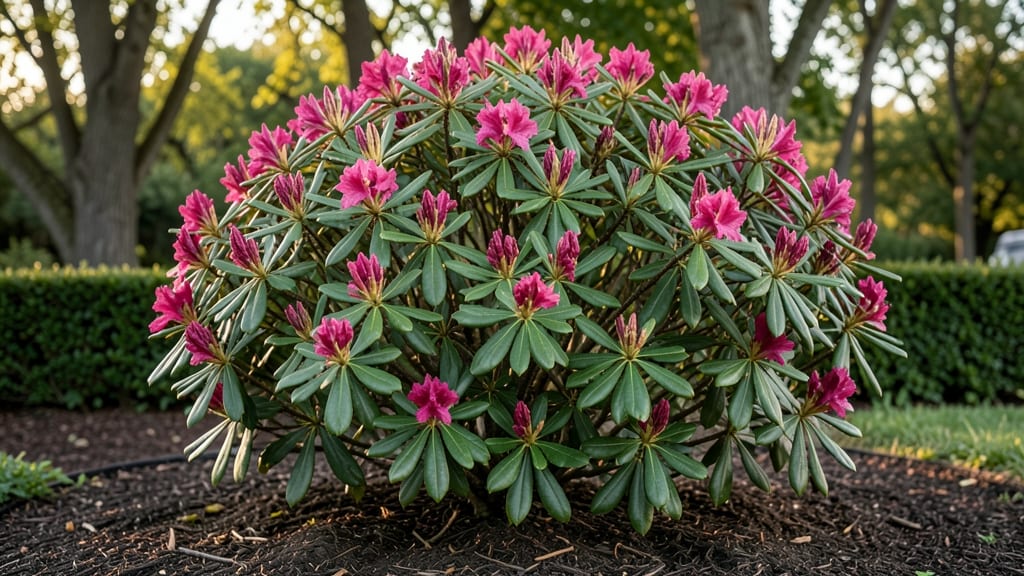
A full-grown azalea bush 🌸 can reach heights of 3 to 12 feet, depending on the variety, and turns your garden into a blooming masterpiece—but only if you know the right care secrets.
Picture this: vibrant clusters of flowers stretching across your yard, drawing hummingbirds and neighbors alike. Yet, many gardeners struggle with spacing, sunlight, and pruning mistakes that stifle their azalea’s potential. The key? Understanding how each variety grows and what it truly needs to thrive.
From dwarf azaleas that stay under 4 feet to towering standards reaching 12 feet, spacing and sunlight requirements vary wildly. Too much sun scorches the leaves, while too little shade dulls the blooms.
I’ll break down the exact spacing rules, sunlight needs, and pruning schedule to keep your azalea looking its best year after year.
Ready to transform your garden? You’ll learn how to choose the perfect variety for your space, master seasonal care, and avoid common pitfalls that turn lush shrubs into sad, leggy shadows.
Full grown azalea bush height and spacing requirements by variety
When planning your garden, knowing the full grown azalea bush height and spacing requirements is crucial for creating a balanced, thriving landscape. Azaleas vary dramatically in size—from compact dwarf varieties under 3 feet to towering standard shrubs reaching 12 feet.
These differences directly impact how you design your garden layout, especially when pairing them with other plants or hardscapes.
Proper azalea spacing ensures each plant has room to breathe, preventing overcrowding that can lead to poor air circulation and increased disease risk. Most varieties need 3 to 10 feet of space between plants, depending on their mature size and growth habit.
For example, a 6-foot azalea should have at least 5 feet of clearance, while a 12-foot specimen may require 8-10 feet to avoid root competition and maintain their stunning form.
Here’s how azalea variety affects your garden planning—from small spaces to large landscapes. Understanding these specifics helps you maximize bloom impact while keeping maintenance manageable.
| Variety Type | Mature Height (ft) | Mature Spread (ft) | Optimal Spacing (ft) | Best For |
|---|---|---|---|---|
| Dwarf Azaleas | 2–4 ft | 3–5 ft | 3–4 ft | Containers, small gardens, borders |
| Semi-Dwarf Azaleas | 4–6 ft | 5–7 ft | 4–6 ft | Foundation plantings, mixed borders |
| Standard Azaleas | 6–12 ft | 8–12 ft | 8–10 ft | Specimen plants, large landscapes |
| Evergreen Azaleas | 3–10 ft | 4–10 ft | 5–8 ft | Year-round color, privacy screens |
| Deciduous Azaleas | 5–15 ft | 6–12 ft | 8–10 ft | Wildlife gardens, large wooded areas |
For dwarf azaleas, like the popular 'Girard’s Pink' or 'Little Jim', their compact size makes them perfect for containers, window boxes, or small gardens. These varieties thrive with just 3 to 4 feet of spacing, allowing you to plant them closely without sacrificing bloom quality.
I’ve seen stunning displays in urban courtyards where these azaleas are grouped in threes, creating a cascading effect of color.
When working with standard azaleas, such as 'Bowl of Beauty' or 'Hino Crimson', their towering heights demand more room. These shrubs can reach 10 to 12 feet tall, so plan for 8 to 10 feet of spacing between plants.
This ensures their broad canopies don’t shade out neighboring plants and allows for easy pruning and maintenance. In my own garden, I’ve placed these varieties along the back of a mixed border, where their height creates a stunning backdrop for shorter perennials.
One of my favorite pro tips for maximizing bloom impact is to pair azaleas with complementary plants. For example, underplanting heucheras or ferns beneath taller azaleas adds texture and color contrast while utilizing vertical space efficiently.
This layering technique not only enhances visual appeal but also makes the most of your garden’s layout, especially in smaller spaces.
If you’re designing a privacy screen or windbreak, consider planting evergreen azaleas like 'Southern Indica' or 'Oconee' in a staggered formation. Their dense foliage and 4 to 10 feet of spread create a lush, year-round barrier.
I’ve used this technique in my backyard to block noise from a nearby road, and the result is both functional and beautiful.
For those with large landscapes, deciduous azaleas like 'Rhododendron maximum' offer dramatic height and seasonal interest. These varieties can grow up to 15 feet tall, so give them plenty of space—8 to 10 feet between plants—to avoid overcrowding.
They’re ideal for wooded areas or as focal points in naturalistic gardens, where their height and spread mimic the look of a wild woodland.
Always consider your climate zone when planning azalea spacing. In warmer regions, azaleas may grow faster and larger, requiring more space. Conversely, in cooler climates, their growth rate slows, and you might get away with slightly closer spacing.
I’ve found that USDA Zone 7 and above often supports larger azalea varieties, while Zones 5-6 may benefit from dwarf or semi-dwarf types that handle colder temperatures better.
Finally, don’t forget to account for future growth when spacing azaleas. Even if a variety is labeled as "dwarf" at maturity, it may start small but expand over time. To avoid last-minute crowding, always err on the side of giving your azaleas a little extra room.
This foresight will save you from pruning back overgrown branches later and ensure your garden remains a vibrant, low-maintenance showcase for years to come. 🌸
Best azalea varieties for different garden sizes and climates
Selecting the right azalea varieties for your garden means balancing height requirements, bloom seasons, and climate hardiness. Whether you have a cozy container garden or a sprawling landscape, there's a perfect azalea to fit your space.
I've curated 12 top performers categorized by size and cold tolerance to help you make the best choice.
For small gardens or containers, dwarf varieties like 'Girard's Pink' (2-3 ft) or 'Dwarf Firedance' (2-3 ft) shine with vibrant blooms. These compact shrubs thrive in USDA zones 6-9 and bloom in early spring, perfect for patios or window boxes. Their low maintenance nature makes them ideal for beginners.
| Variety | Height (ft) | Spread (ft) | Bloom Season | Cold Hardiness (Zones) | Sunlight Needs | Care Tips |
|---|---|---|---|---|---|---|
| Dwarf Varieties |
Ideal for containers, small gardens, and foundation plantings
|
|||||
| 'Girard's Pink' | 2-3 | 3-4 | Early spring | 6-9 | Partial shade | Prune after blooming; mulch yearly |
| 'Dwarf Firedance' | 2-3 | 3-4 | Mid-spring | 6-9 | Partial shade | Water deeply weekly; acid-loving soil |
| 'Standard Varieties' |
Perfect for borders, hedges, and mid-sized gardens
|
|||||
| 'Hino Crimson' | 4-6 | 5-6 | Late spring | 5-9 | Full sun to partial shade | Fertilize spring/fall; prune lightly |
| 'Southern Indica' | 5-7 | 6-8 | Mid-spring | 7-10 | Partial shade | Drought-tolerant; mulch heavily |
| 'Tall Varieties' |
Best for specimen planting, large landscapes, and privacy screens
|
|||||
| 'Bowl of Beauty' | 8-12 | 8-10 | Early spring | 4-8 | Partial shade | Prune annually; protect from wind |
| 'Ralph S. Moore' | 6-10 | 6-8 | Mid-spring | 5-9 | Full sun to partial shade | Water deeply; tolerate heat well |
| 'Late Bloomers' |
Extend your bloom season with these varieties
| |||||
| 'George L. Taber' | 4-6 | 5-6 | Late spring | 5-9 | Partial shade | Prune after blooming; feed lightly |
| 'Coral Bells' | 3-5 | 4-5 | Mid-to-late spring | 6-9 | Partial shade | Deadhead spent blooms; mulch |
If you live in cooler climates (zones 4-6), prioritize cold-hardy varieties like 'Bowl of Beauty' or 'Ralph S. Moore'. These tall azaleas (6-12 ft) handle frost better than most and provide stunning specimen planting impact.
For warmer zones (7-10), consider 'Southern Indica', which thrives in heat and drought conditions once established.
For extended bloom seasons, mix early, mid, and late spring varieties. 'George L. Taber' (late spring) pairs beautifully with 'Girard's Pink' (early spring) to create a continuous color display. Always plant azaleas in acidic, well-draining soil and mulch annually to retain moisture and regulate temperature.
Pro tip: Space standard azaleas (4-6 ft) 5-6 feet apart to allow airflow and prevent disease. For tall varieties, provide 8-10 feet of clearance to avoid overcrowding. With the right variety and care, your full-grown azalea bush will reward you with decades of vibrant blooms and lush foliage.