
Shrubs
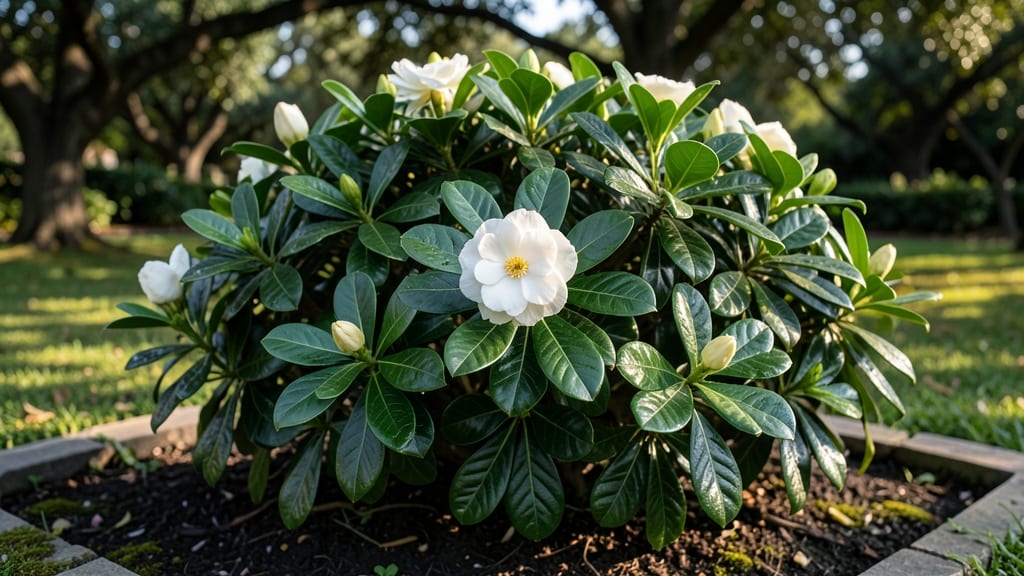
Florida gardenia bushes thrive when you follow these simple steps—year-round fragrance starts with the right soil, sunlight, and humidity balance. 🌿 I learned the hard way that Florida’s heat and humidity demand extra care, but with the right approach, you’ll have blooms from spring through fall (and sometimes winter too).
The secret lies in well-draining soil with a touch of sand or perlite—Florida’s clay can suffocate roots. Plant in morning sun to avoid afternoon scorching, and water deeply 2-3 times per week (more in summer). Overwatering is the #1 killer, so check soil moisture before watering.
You’ll know you’re doing it right when those creamy-white blooms fill the air with intoxicating scent. Prune lightly after blooming to encourage new growth, and watch for pests like scale or aphids—neem oil keeps them at bay. Florida’s humidity actually helps gardenias, but proper airflow prevents fungal issues.
Mulch with pine straw to retain moisture while keeping roots cool. With these tweaks, your gardenia will reward you with months of fragrant blooms—no green thumb required.
📚 In This Guide
- What you need
- Instructions
- Tips and common mistakes
- Wrapping up and next steps
What you need
- ● Gardenia plant: 1-2 healthy nursery-grown gardenias (choose Gardenia jasminoides for Florida’s climate). Opt for 1-gallon pots for easier transplanting.
- ● Well-draining potting mix: 5-10 gallons (mix equal parts peat moss, perlite, and pine bark for acidity).
- ● Garden trowel or shovel: 1 medium-sized (for transplanting).
- ● Pruning shears: 1 pair (sterilized with rubbing alcohol).
- ● Mulch (pine bark or cypress mulch): 2-3 bags (to retain moisture and acidify soil).
- ● Slow-release fertilizer: 1 lb (look for acid-loving plant formula, e.g., 8-3-9 or 10-10-10 with micronutrients).
- ● Watering can or hose with a gentle spray nozzle: 1 (for deep, even watering).
- ● Garden gloves: 1 pair (to protect from thorns and soil).
- ○ Stakes (optional but helpful): 2-3 bamboo stakes + soft ties (if planting in windy areas).
- ● Soil pH test kit: To confirm acidity (ideal range: 5.0–6.5).
- ● Epsom salt (magnesium sulfate): 1 lb (boosts blooms; mix 1 tbsp per gallon of water monthly).
- ● Shade cloth (30-50% coverage): 1 roll (for afternoon sun protection in hot Florida summers).
- ● Automatic drip irrigation system: 1 (for consistent moisture in dry spells).
- ● Composted pine needles: 1 bag (enhances acidity naturally).
Step-by-Step instructions for planting and maintaining a thriving gardenia bush in Florida
Florida’s humidity and heat actually work in your gardenia’s favor—here’s how to harness that to grow a bush bursting with fragrant blooms year-round.
🌱 Step 1: Choose the Perfect Planting Location
Gardenias thrive in Florida’s climate but need morning sun and afternoon shade—think 4-6 hours of direct sun daily, with protection from the harsh 2-5 PM rays. I plant mine near a southeast-facing wall where they get gentle morning light and afternoon relief from the intense heat. Avoid full sun spots; leaves will scorch and drop within weeks.
Check your site’s drainage first—gardenias hate soggy roots. Dig a hole twice as wide as the root ball but no deeper. Amend heavy clay soil with 2-3 inches of organic compost mixed into the bottom of the hole. Florida’s sandy soils drain too fast, so add a 5-gallon bucket of peat moss to retain moisture without suffocating roots.
💧 Step 2: Plant and Water for Immediate Establishment
Remove the gardenia from its container and loosen the roots gently if they’re circling. Place it in the hole so the top of the root ball sits 1 inch above ground level—this prevents rot during heavy Florida rains. Backfill with native soil mixed with compost, tamping lightly as you go to eliminate air pockets.
Water deeply right after planting—soak the soil until it’s 6 inches down and the surface feels damp. Gardenias in Florida need 1-1.5 inches of water weekly, but never let them sit in standing water. I use a soaker hose to deliver moisture slowly at the base, avoiding wetting the leaves (fungus loves that). Mulch with 3 inches of pine straw to lock in moisture and regulate soil temperature.
☀️ Step 3: Feed and Prune for Continuous Blooms
Florida’s warm winters mean gardenias grow year-round, so I fertilize every 6 weeks starting in early spring with a balanced 6-6-6 formula. Switch to a low-nitrogen, high-phosphorus (like 3-6-6) when buds form to encourage blooms. Avoid high-nitrogen fertilizers—they’ll give you lush leaves but no flowers.
Prune right after flowering to shape the bush and remove dead wood. Cut back leggy growth by one-third to encourage bushier growth. Here’s the trick: never prune into old wood—new growth only comes from current season’s stems. Wear gloves; gardenia leaves have tiny hairs that irritate skin.
✂️ Step 4: Protect and Maintain Through Florida’s Seasons
Summer’s heat and humidity can stress gardenias, so I spray leaves weekly with a neem oil solution (1 tbsp per gallon of water) to prevent fungal issues like powdery mildew. If buds drop without opening, it’s usually too much direct sun or inconsistent watering. Move the bush to a shadier spot temporarily and water every other day until buds firm up.
Winter care is minimal—just reduce watering to once every 10-14 days unless it’s unusually dry. Gardenias in Florida rarely need winter protection, but if a hard freeze (<32°F) is forecast, cover the bush with frost cloth secured with stakes. Resume normal care in early spring when new growth appears.
🌿 Step 5: Encourage Year-Round Fragrance with Strategic Care
To keep your gardenia blooming continuously, deadhead spent flowers by pinching off the faded bloom and the first set of leaves below it. This signals the plant to produce more buds. I also rotate the bush every 3 months so all sides get equal sun exposure—you’ll notice new growth emerging from the shaded undersides within weeks.
Watch for aphids or scale insects on new growth; they suck sap and weaken the plant. Spray with insecticidal soap (1 tsp per quart of water) and repeat every 5 days until pests disappear. A healthy gardenia in Florida should reward you with fragrant blooms every 6-8 weeks if you stay consistent with these steps.
Tips & tricks for perfect gardenia bush care in Florida
Florida's unique climate demands a few strategic adjustments to keep your gardenia thriving—and these are the game-changers that'll make all the difference.
Sunlight Strategy: That 4-6 hours of morning sun is non-negotiable, but here's the secret: if your gardenia starts showing yellow leaves by midday, it's getting too much afternoon heat. I've found that positioning it slightly east of a tall shrub or small tree creates perfect dappled shade during peak hours—like having a natural sunblock. The southeast-facing wall reference in Step 1 works wonders because it catches the gentle morning rays while shielding from the harsh afternoon sun that can scorch leaves within days.
Soil Science: The peat moss recommendation for Florida's sandy soils is brilliant, but don't stop there. I've discovered that mixing in 1 cup of perlite per 5-gallon bucket of peat moss creates the perfect air-to-moisture ratio—like giving your roots a spa treatment. This prevents both waterlogging and drought stress, which are the two biggest killers of gardenias in our climate. The 2-3 inches of compost in Step 1 should be well-aged to avoid introducing weeds to your gardenia's root zone.
Watering Wisdom: That 1-1.5 inches weekly guideline is spot-on, but timing matters more than you'd think. I water mine right after sunrise when evaporation rates are lowest. For the soaker hose method, I set it to deliver water for 20-30 minutes—just enough to saturate that 6-inch depth without creating puddles. Pro tip: place a rain gauge near your plant to monitor actual rainfall, which can often cover your weekly watering needs during Florida's summer downpours.
Seasonal Adjustments: When winter rolls around and you're reducing watering to every 10-14 days, don't forget to check soil moisture with your finger. If the top 2 inches feel dry, it's time to water—even in winter. The frost cloth recommendation for hard freezes (<32°F) is excellent, but I've found that even a light frost can damage buds. If you're expecting temps near freezing, I cover mine with frost cloth secured with clothespins (no metal staples—they can puncture the fabric) the night before and remove it as soon as temps rise above freezing in the morning.
Pro Tips for Gardenia Bush Florida
- Florida's unique climate demands a few strategic adjustments to keep your gardenia thriving—and these are the game-changers that'll make all the difference.
- Sunlight Strategy: That 4-6 hours of morning sun is non-negotiable, but here's the secret: if your gardenia starts showing yellow leaves by midday, it's getting too much afternoon heat.
- Soil Science: The peat moss recommendation for Florida's sandy soils is brilliant, but don't stop there.
Frequently asked questions
Got questions about growing a gardenia bush in Florida? You’re not alone! Here are some of the most common queries—plus straightforward answers to help you cultivate a fragrant, thriving gardenia without the stress.
When is the best time to plant a gardenia bush in Florida?
Florida’s mild winters make year-round planting possible, but fall (September–November) is ideal. This gives roots time to establish before summer heat. If planting in spring, water deeply and shade young plants until they acclimate. Avoid extreme summer heat—it can shock tender roots!
How often should I water my gardenia bush in Florida’s heat?
Gardenia bushes thrive on consistency: water deeply 2–3 times per week during dry spells (more in summer). Aim for 1–1.5 inches of water weekly, and always check soil moisture—dry, crumbly soil means it’s time to water. Mulch helps retain moisture and protect roots from Florida’s intense sun.
Why aren’t my gardenia flowers opening, even though there are buds?
Florida’s high humidity and heat often cause buds to drop or fail to open. Prune leggy growth in early spring, ensure bright, indirect light (morning sun is best), and avoid over-fertilizing with nitrogen—it promotes foliage over flowers. A light bloom-boosting fertilizer (like 7-9-5) in late winter can help!
Can I grow gardenias in a pot in Florida, or do they need to be planted in the ground?
Container gardening works well
in Florida, especially in cooler microclimates (like near shade trees or under eaves). Use a large pot (15+ gallons) with well-draining soil and fertilize monthly during growing season. Just move pots indoors or to shade if temps drop below 30°F.
What pests should I watch for with gardenia bushes in Florida?
Florida’s pests love gardenias! Keep an eye out for:
- Scale insects (sticky residue on leaves)
- Spider mites (tiny webs, yellowing leaves)
- Whiteflies (tiny flying insects under leaves)
Pro Tip: Florida-Specific Care Hack
If your gardenia’s leaves turn yellow, it’s often a sign of overwatering or iron deficiency. Florida’s alkaline soil can block iron uptake—try chelated iron fertilizer or sulfur amendments to acidify the soil slightly. Test your soil every few years to adjust pH (ideal: 5.0–6.5).
Wrapping up and next steps
Growing a gardenia bush in Florida is a rewarding journey that fills your yard with intoxicating fragrance and lush beauty—if you meet its tropical needs! 🌺 With the right soil, sunlight, and care, your gardenia will thrive year-round, becoming the star of your landscape.
Now that you’re armed with the Florida-specific tips, it’s time to roll up your sleeves and give your gardenia the love it deserves.
Ready to transform your outdoor space? Start by selecting the perfect spot this weekend—your gardenia’s dream home awaits! 🌿