
Pruning
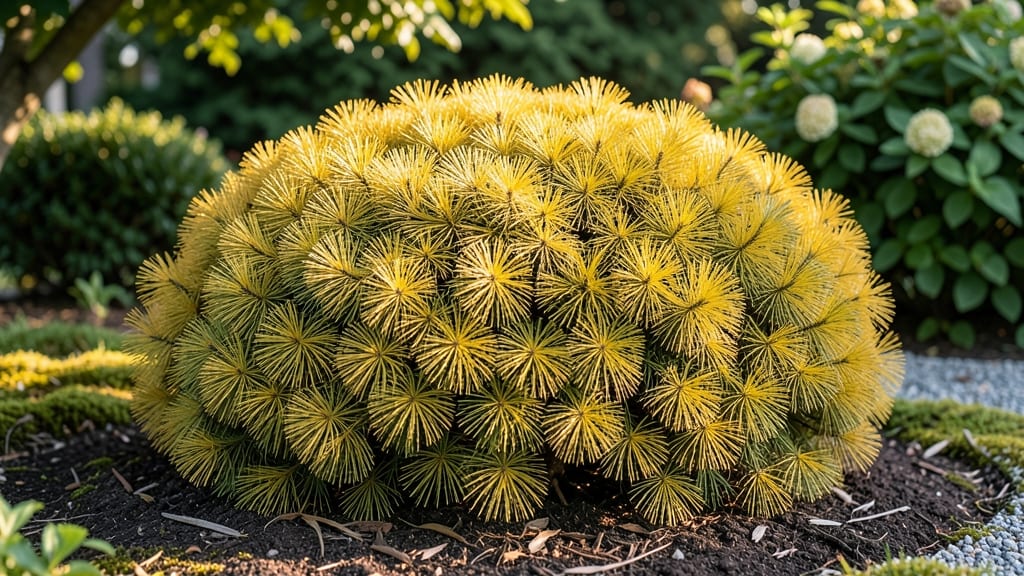
That golden yew bush with its swirling chartreuse foliage is the standout of my front yard—pruning it right keeps it looking like a living masterpiece all year. 🌿 The key isn’t just trimming branches; it’s understanding how to shape it without sacrificing its signature golden swirls or compact growth.
I’ve learned that timing and technique make all the difference between a bush that thrives and one that gets leggy or sparse.
You’ll need sharp pruning shears, a pair of gloves, and a clear morning when the plant is hydrated but not wet. The best time to prune is late winter to early spring, but light shaping can happen year-round if you’re careful.
Golden yews respond well to pruning, but they don’t like harsh cuts—think of it more like sculpting than hacking. Even a small trim every few months keeps the foliage dense and the colors vibrant.
What you’ll end up with is a bush that stays neat, full, and glowing—perfect for hedges, specimen planting, or even container gardens. The golden swirls stay crisp, the growth stays compact, and you’ll avoid the common mistake of over-pruning, which can leave it looking bare.
For those tricky spots, I’ve got a few pro tips to keep it looking its best without stressing the plant.
Whether you’re shaping a new hedge or just keeping your existing golden yew looking its finest, the secret is patience and precision. This guide covers everything from the basics to advanced tricks, so you can prune with confidence—no matter your experience level. Let’s get started!
📚 In This Guide
- What you need
- Instructions
- Tips and common mistakes
- Wrapping up and next steps
What you need
- ● Pruning shears: Bypass pruners (sharp, 6–8” blades) for clean cuts on small branches.
- ● Loppers: 8–10” bypass loppers for thicker stems (¼”–1” diameter).
- ● Hand pruners: Anvil-style (for stubborn, woody growth) or bypass (for precision).
- ● Pruning saw: Curved-tooth saw for branches over 1.5” thick.
- ● Gloves: Heavy-duty gardening gloves (cut-resistant for safety).
- ● Disinfectant: 70% isopropyl alcohol or bleach solution (1 part bleach to 9 parts water) to sterilize tools between cuts.
- ● Trash bags or bucket: For collecting clippings (1–2 large bags or a 5-gallon bucket).
- ● Ladder or stool: If your bush is over 5–6 feet tall (ensure it’s stable and rated for your weight).
- ● Hose or water source: To clean tools and rinse off sap.
- ● Pruning sealant: Wound dressing (like Tanglefoot Tree Wound Pruning Seal) for large cuts (over ½” diameter).
- ● Work apron or bandana: To keep sap and debris off your clothes.
- ● Spray bottle with water: To dampen branches and reduce dust when pruning.
- ● Notebook & pen: To sketch your bush’s shape before pruning (great for beginners!).
- ● Safety glasses: If working with thick branches or in windy conditions.
Instructions: golden yew bush pruning for perfect year-round shape
Here’s how to transform your golden yew into a lush, sculptural masterpiece—no green thumb required!
✂️ Step 1: Prune in Late Winter for Fresh New Growth
Timing is everything with golden yews. Grab your pruners in late winter (just before new growth begins) and trim back any dead, damaged, or overgrown branches. I like to start with the outermost tips—these are the fastest-growing areas and will give you the most dramatic shape change. Cut just above a healthy leaf or bud, always at a 45-degree angle to prevent water pooling.
Golden yews respond beautifully to pruning, so don’t be shy—you can remove up to one-third of the plant in a single session. Watch for new bronze or golden foliage emerging from the cuts; this is your sign that the plant is thriving and ready for more shaping. If you see any brown, crispy branches, snip those off first—they’re already past saving.
☀️ Step 2: Shape in Early Summer for Compact, Full Growth
Once the new growth appears (usually by early June), it’s time for the fun part—shaping! Step back and visualize your ideal form—whether it’s a rounded mound, a formal hedge, or a whimsical topiary shape. I use a hand pruner for small branches and loppers for thicker stems, always cutting just above a leaf node to encourage bushier growth.
Golden yews love a little extra attention, so take your time. Trim back any leggy branches that stretch toward the sun, and fill in gaps where the foliage looks sparse. You’ll notice the plant fills out faster after this summer pruning—it’s like giving it a confidence boost! Avoid cutting into old wood (the woody stems without leaves), as these won’t regrow.
🌿 Step 3: Light Maintenance in Fall to Prep for Winter
Fall is all about light maintenance—think of it as a quick tune-up before winter dormancy. Remove any yellowing or diseased leaves (they’ll only spread problems), and tidy up any stray branches that spoil the shape. I also like to thin out the center slightly to improve airflow, which keeps the plant healthier year-round.
Golden yews are evergreens, so they don’t need heavy pruning in fall, but a little cleanup goes a long way. If you notice any bare patches, trim back the surrounding foliage to encourage new growth in spring. Avoid heavy pruning now—you want the plant to enter winter strong, not stressed. A final watering (if your region is dry) helps it store up moisture for the colder months.
⏰ Step 4: Minimal Touch-Ups in Spring for Polished Looks
Spring is for quick touch-ups—just enough to keep your golden yew looking its best. Check for any winter damage (like broken branches from snow or ice) and prune those out immediately. I also give the plant a once-over with hand shears to neaten any rough edges or uneven growth from the previous year.
This is also the perfect time to shape any new growth that’s sprouting too fast or growing in odd directions. Golden yews are forgiving, so don’t stress about perfection—just keep the overall form in mind. If you see any pale or weak-looking branches, trim them back to encourage stronger, healthier growth. A light feeding with balanced fertilizer (like 10-10-10) in early spring gives them a little extra oomph.
Tips & tricks for perfect golden yew bush pruning
Transforming your golden yew into a stunning landscape feature starts with these game-changing insights that'll keep your plant thriving year after year.
Timing is Everything: The late winter pruning in Step 1 is your golden opportunity to shape the plant's future growth. I've learned the hard way that pruning too early (before new growth begins) can shock the plant, while waiting too late means missing the fresh growth window. Watch for the first signs of new buds appearing—those are your cues to start! The 45-degree angle cut isn't just about aesthetics; it prevents water from pooling at the cut site, which could lead to rot or disease.
Visual Cues for Perfect Cuts: In Step 2, when shaping your golden yew, look for the leaf nodes—those little bumps where leaves attach. Cutting just above these nodes encourages bushier growth because that's where new branches will emerge. For the outer tips, aim to create a natural taper—this gives your plant that polished, professional look without over-pruning. I always step back every few minutes to check the overall shape from different angles; what looks good from one side might need adjustment from another.
Seasonal Maintenance Secrets: Fall's light maintenance in Step 3 is where many gardeners make their biggest mistake—they either do too much or too little. Focus on removing only the yellowing leaves and stray branches that disrupt the shape. The key is improving airflow by thinning the center slightly—this prevents fungal issues that could plague your plant over winter. And that final watering? It's not just about hydration; it helps the plant prepare for dormancy by storing up moisture for the colder months ahead.
Spring's Strategic Touch-Ups: Those quick spring touch-ups in Step 4 are your chance to address any winter damage while the plant is most resilient. I always check for broken branches first—these are like open wounds that need immediate attention. The hand shears are perfect for this stage because they give you precision control. And that early spring feeding? Think of it as giving your plant a vitamin boost before the growing season really kicks into gear. A 10-10-10 fertilizer provides balanced nutrition without overwhelming the plant.
Pro Tips for Golden Yew Bush
- Transforming your golden yew into a stunning landscape feature starts with these game-changing insights that'll keep your plant thriving year after year.
- Timing is Everything: The late winter pruning in Step 1 is your golden opportunity to shape the plant's future growth.
- Visual Cues for Perfect Cuts: In Step 2, when shaping your golden yew, look for the leaf nodes—those little bumps where leaves attach.
Frequently asked questions
When is the best time to prune a golden yew bush?
The ideal time to prune is late winter or early spring (before new growth begins). Light trimming can also happen in summer or fall, but avoid heavy cuts then—it stresses the plant. For shaping, spring is key to encourage lush, golden foliage.
How do I prune a golden yew bush to keep it dense?
Use sharp, clean shears to trim back 1/3 of the previous year’s growth in spring. Focus on inner branches to improve airflow and sunlight penetration. Thin out crowded areas rather than shearing uniformly—this prevents a "bushy" look and encourages density.
Why is my golden yew turning brown after pruning?
Brown tips or patches often mean over-pruning, drought, or fungal issues. If it’s post-pruning, wait a few weeks—new growth should emerge. For persistent browning, check soil moisture (yews hate soggy roots) and apply a balanced fertilizer in early spring. Fungus? Prune in dry weather and avoid wetting foliage.
Can I use hedge trimmers on a golden yew bush?
Yes, but proceed with caution! Hedge trimmers work for neat, formal shapes, but they can damage tender stems if used too aggressively. For thicker branches, hand pruners are better. Always sterilize tools between cuts to prevent disease spread.
What’s a good alternative if my golden yew isn’t thriving?
If your yew struggles with pests, disease, or harsh climates, consider these low-maintenance alternatives:
- Emerald Green Arborvitae – Disease-resistant and drought-tolerant.
- Dwarf Hinoki False Cypress – Soft texture, golden hues, and adaptable.
- Boxwood (e.g., ‘Green Velvet’) – Compact and great for hedges.
All three thrive in similar conditions but with less fuss.
Wrapping up and next steps
The golden yew bush is a stunning addition to any landscape, and with the right pruning techniques, you can keep it thriving year-round! 🌿 Whether you’re shaping it for aesthetics or maintaining its health, consistency is key.
Remember, timing, tools, and technique make all the difference—so take your time and enjoy the process.
Ready to give your golden yew the care it deserves? Grab your pruners and start today! For extra inspiration, explore seasonal pruning calendars or consult a local arborist to tailor your approach. Happy pruning! ✂️✨