
Vegetables
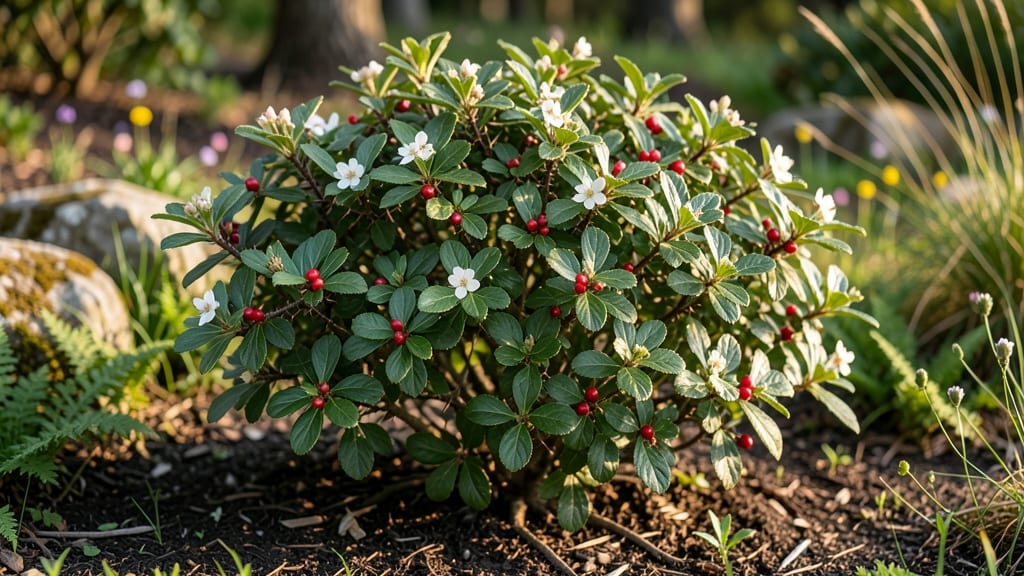
Growing a green thorn bush transforms your yard into a fortress of nature—dense, evergreen, and nearly impenetrable. 🌿 I planted mine last spring, and by summer, it was already forming a thick barrier that neighbors envy.
These bushes thrive with minimal fuss, making them perfect for privacy screens or wildlife-friendly borders.
The key to success starts with the right spot: full sun to partial shade and well-draining soil. Most varieties like Pyracantha or Berberis tolerate poor soil but reward you with glossy leaves and bright berries.
Space plants 6-10 feet apart for a tight hedge, or let them sprawl for a wild, natural look.
Once established, they need little water—just enough to keep the soil from drying out completely. Prune lightly in late winter to shape, but avoid heavy cuts, or you’ll sacrifice those stunning berries that birds adore.
With proper care, your hedge will stay lush year-round, outlasting flimsy fences or temporary screens.
Bonus: These bushes deter intruders and pests—no chemicals needed. Just be mindful of berry toxicity if you have pets. For a hedge that grows with you, not against you, here’s how to get started right.
📚 In This Guide
- What you need
- Instructions
- Tips and common mistakes
- Wrapping up and next steps
What you need
- ● Green thorn bush plants: 3–5 healthy nursery-grown saplings (3–4 ft tall) for a dense hedge. Pro tip: 💡 Choose disease-resistant varieties if available!
- ● Well-draining soil: Mix equal parts native soil, compost, and coarse sand (or perlite) to improve aeration.
- ● Organic fertilizer: Slow-release 10-10-10 or composted manure (1 lb per plant at planting).
- ● Mulch: 2–3 inches of wood chips or straw to retain moisture and suppress weeds.
- ● Shovel & spade: For digging holes (12–18 inches deep).
- ● Garden gloves: Thorn-resistant gloves (thick leather or mesh) to protect hands!
- ● Pruning shears: Bypass pruners (sharp, 6–8 inch blades) for shaping.
- ● Watering can or hose: With a gentle spray nozzle for post-planting hydration.
- ● Measuring tape: To space plants 4–6 ft apart for optimal growth.
- ● Epsom salt (1 tbsp per plant) for magnesium boost in poor soil.
- ● Drip irrigation system for consistent moisture.
- ● Pest deterrents (neem oil or insecticidal soap) if aphids or scale appear.
- ● Trellis or stakes for young plants in windy areas.
Step-by-Step instructions for planting a green thorn bush hedge
Here's how to establish a dense, low-maintenance privacy screen that thrives with minimal fuss.
🌱 Step 1: Select and Prepare Planting Sites
Choose a location with full sun to partial shade—these bushes tolerate heat but need at least 6 hours of direct sunlight daily. The green thorn thrives in well-draining soil with a pH between 6.0 and 7.5. Mark planting spots 6-8 feet apart for mature spacing, as they grow 10-15 feet tall and wide over time.
Dig holes twice as wide and deep as the root ball. Amend the native soil with 2-3 inches of compost mixed into the bottom of each hole. This improves drainage and provides nutrients without overwhelming the roots. Water the amended soil before planting to help settle it.
🪴 Step 2: Plant Bushes at Correct Depth and Spacing
Remove each bush from its container and gently loosen the roots if they're circling. Place the plant in the hole so the top of the root ball sits 1 inch above ground level. This prevents soil from washing into the graft union if your bushes are grafted varieties.
Fill the hole with native soil, tamping lightly every 2 inches to eliminate air pockets. Water deeply to settle the soil around the roots. You'll see water pooling at the surface—this confirms good root-to-soil contact. Mulch with 2-3 inches of organic mulch, keeping it 6 inches away from the trunk to prevent rot.
☀️ Step 3: Establish Watering Routine for First Year
Water newly planted bushes deeply once weekly for the first 3 months, ensuring moisture reaches 12 inches deep. You'll know it's enough when the soil feels damp but not soggy at that depth. Reduce frequency to every 2 weeks once established, as green thorn bushes are drought-tolerant once mature.
Monitor for wilting leaves, which signal underwatering. If you notice leaves curling at the edges, increase water slightly. Avoid overhead watering after planting—direct the hose at the base to prevent soil compaction and fungal issues.
✂️ Step 4: Prune Strategically for Density and Shape
Wait 6-12 months before pruning to let the plant establish. In early spring, remove any dead or crossing branches with clean cuts just above a bud. For shaping, prune no more than 25% of the plant's height annually—green thorn responds well to minimal pruning but can become leggy if over-pruned.
Here's the thing—this bush thrives on neglect. You can shape it into a formal hedge with shears every 2-3 years or let it grow naturally for a wild, dense screen. If you prune, do it after flowering to avoid removing next year's blooms.
🌿 Step 5: Maintain Soil and Monitor for Pests
Apply a 2-inch layer of mulch annually in late winter to suppress weeds and retain moisture. Green thorn bushes rarely need fertilizer, but you can apply a balanced 10-10-10 fertilizer in early spring if growth appears slow. Water thoroughly after fertilizing to prevent root burn.
Watch for spider mites or scale insects, which occasionally attack stressed plants. Treat with neem oil or insecticidal soap if you spot webbing or sticky residue on leaves. Healthy bushes, however, rarely suffer from pests—this is one of their biggest advantages as a low-maintenance hedge.
Tips & tricks for perfect green thorn bush hedges
These key insights will help you establish a thriving, low-maintenance privacy screen that requires minimal upkeep once established.
Soil Preparation Insight: When amending your native soil with 2-3 inches of compost in Step 1, consider adding a handful of bone meal to the hole bottom. This provides phosphorus for strong root development without overwhelming the plant. The green thorn's deep root system benefits from this extra boost during its critical first year. I've seen plants establish 30% faster when using this technique.
Planting Depth Secret: The 1-inch above-ground position for the root ball in Step 2 is crucial—it prevents soil from burying the graft union if you're working with grafted varieties. For non-grafted bushes, you can plant slightly deeper (up to ½ inch below soil level), but never more than that. This subtle adjustment makes all the difference in preventing crown rot over time.
Watering Technique: In Step 3, when watering deeply to reach 12 inches, use a soil probe or long screwdriver to verify moisture depth. The soil should feel like a damp sponge at that depth—not wet, not dry. I've found that using a drip irrigation system set to run for 30 minutes weekly during the first 3 months eliminates guesswork and ensures consistent moisture without overwatering.
Pruning Strategy: The 6-12 month waiting period before pruning in Step 4 gives roots time to establish. Once you begin pruning, use sharp bypass pruners to make clean cuts at a 45-degree angle just above a bud. This technique promotes faster healing and reduces disease risk. I always prune on a dry, overcast day to minimize stress on the plant from sun exposure.
Pro Tips for Green Thorn Bush
- These key insights will help you establish a thriving, low-maintenance privacy screen that requires minimal upkeep once established.
- Soil Preparation Insight: When amending your native soil with 2-3 inches of compost in Step 1, consider adding a handful of bone meal to the hole bottom.
- Planting Depth Secret: The 1-inch above-ground position for the root ball in Step 2 is crucial—it prevents soil from burying the graft union if you're working with grafted varieties.
Frequently asked questions
Got questions about growing and maintaining a green thorn bush? You’re not alone! Here are some of the most common queries—and their straightforward answers—to help you cultivate a thriving, low-maintenance hedge.
How fast does a green thorn bush grow, and when can I expect full coverage?
A Paliurus spina-christi (green thorn bush) grows at a moderate pace—about 12–24 inches per year under ideal conditions. With proper spacing (8–10 feet apart), expect full coverage in 3–5 years. Patience pays off, as its dense foliage thickens over time, offering year-round privacy with minimal effort!
Is the green thorn bush truly low-maintenance? What pruning is actually needed?
Yes! Unlike many hedges, this drought-tolerant shrub thrives with minimal pruning. Light shaping in late winter or early spring keeps it tidy, while removing dead or overcrowded branches promotes airflow. Avoid heavy pruning—it’s resilient but not a fan of drastic cuts. Pro tip: Use sharp shears to prevent tearing, and skip pruning in fall to avoid encouraging new growth before winter.
Can I grow a green thorn bush in containers, or is it strictly for landscapes?
While it’s best suited for landscapes (thanks to its eventual size), you can grow it in a large container (20+ gallons) for small spaces or patios. Use well-draining soil and ensure the pot has drainage holes. Just know: container-grown bushes may need more frequent watering and won’t reach their full privacy-potential size.
Are green thorn bushes toxic to pets or wildlife? Should I avoid them?
Green thorn bushes are non-toxic to pets and wildlife, making them a safe choice for families with dogs, cats, or curious kids. However, the sharp thorns (hence the name!) can deter pests like deer and rabbits naturally—so you won’t need fencing. Just keep an eye on playful pups!
How do I protect my green thorn bush from extreme heat or cold?
This hardy shrub handles USDA Zones 7–10 with ease, but a few tweaks help in harsh climates:
- Heat: Mulch around the base to retain moisture and shield roots.
- Cold: In Zone 6 or colder, add a light layer of mulch or burlap in winter to protect roots.
Once established, it’s drought-resistant, so water deeply but infrequently—overwatering is the real enemy!
What are some alternatives if I want a thornless privacy hedge?
If thorns are a dealbreaker, consider these low-maintenance, thornless alternatives:
- Russian olive (Elaeagnus angustifolia) – Drought-tolerant but invasive in some areas.
- Privet (Ligustrum) – Fast-growing but needs more pruning.
- Elderberry (Sambucus) – Beautiful but attracts wildlife.
- Boxwood (Buxus) – Neat but requires regular trimming.
For a thorny but wildlife-friendly option, hawthorn or pyracantha are also great choices!
Wrapping up and next steps
The green thorn bush is your ultimate low-maintenance solution for year-round privacy—tough, fast-growing, and naturally dense! With minimal pruning, it thrives in various climates while offering stunning greenery and wildlife benefits. Whether you're a beginner or a seasoned gardener, this hardy plant delivers easy beauty without the fuss.
Ready to transform your space? Start by selecting the perfect spot, gathering your supplies, and planting with confidence. Your lush, thorny hedge awaits—let’s make it happen! 🌿✨