
Pruning
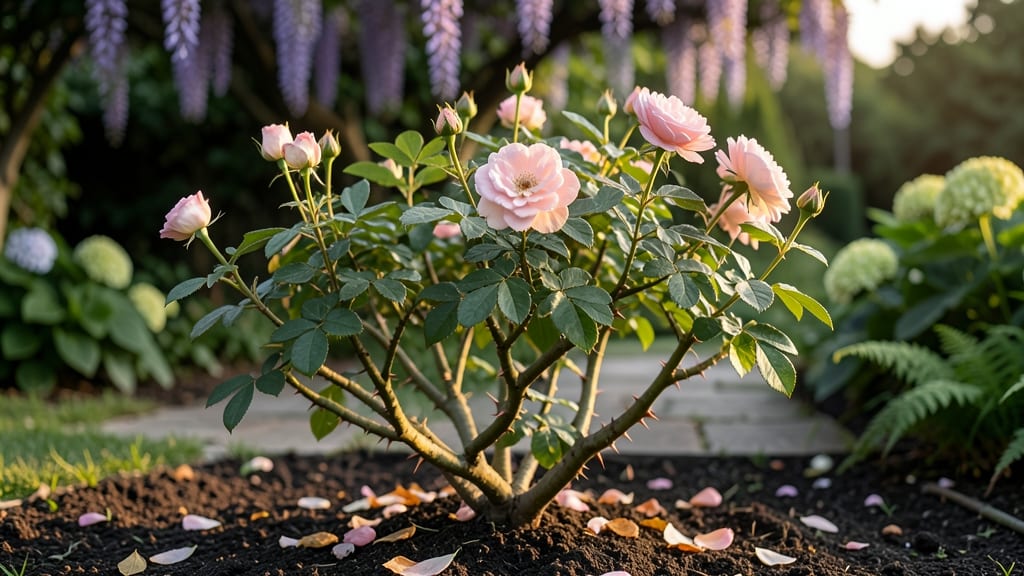
Heirloom roses rose bush bring history to your garden with their intoxicating fragrance and timeless blooms. 🌹 I’ve pruned these living antiques for years, and the key to their year-round beauty isn’t complicated—it’s about understanding their unique growth patterns and when to step in (or step back).
The real magic happens in late winter when dormant canes reveal their secrets. You’ll cut back old wood to encourage fresh growth, but never remove more than a third—these roses remember their lineage, and drastic pruning can shock them.
My ‘Souvenir de la Malmaison’ now blooms from June through frost because I learned to prune for continuous flushes, not just one big show.
By summer’s end, you’ll be rewarded with clusters of velvety petals and that unmistakable old-world scent. The plants stay compact, disease-resistant, and produce twice the blooms of hybrid teas when pruned correctly. Even the thorns seem less intimidating when you’re getting paid in petals.
This method works for all heirlooms—climbers, shrubs, and old garden roses alike. The only tools you’ll need are sharp bypass pruners, a clean rag for wiping cuts, and a notebook to track your cuts each season.
I keep mine simple: mark canes to remove in winter, then prune at a 45-degree angle just above an outward-facing bud.
Here’s the thing about heirlooms—they forgive mistakes but remember good care. My first year, I over-pruned and got sparse blooms. Now I let them tell me what they need. The result? Roses that smell like your grandmother’s perfume and bloom like they’re auditioning for a royal garden.
📚 In This Guide
- What you need
- Instructions
- Tips and common mistakes
- Wrapping up and next steps
What you need
- ● Pruning shears or secateurs: Sharp, clean, and bypass-style (for clean cuts). Disinfect with rubbing alcohol between cuts to prevent disease. 1 pair is all you need!
- ● Loppers: For thicker stems (½"–1" diameter). 1 pair with a long handle for reach.
- ● Gloves: Heavy-duty, garden-grade gloves to protect from thorns and dirt. 1 pair (or 2 if working alone!).
- ● Disinfectant: 1-part bleach to 9-parts water (or hydrogen peroxide) for sterilizing tools.
- ● Rake or broom: To clear debris after pruning. 1 (any size).
- ○ Pruning sealant (optional but helpful): For large cuts (1" or wider) to prevent disease. Choose a rose-specific sealant.
- ● Know your rose type: Heirloom roses are often climbing, shrub, or hybrid—check your variety’s pruning needs (light vs. aggressive).
- ● Best time to prune: Late winter or early spring (before new growth starts). Avoid pruning in fall unless removing dead wood.
- ● Weather check: Prune on a dry, overcast day to reduce stress on the plant.
- ● Hand pruners: For precision on small stems. 1 pair (great for detail work!).
- ● Knee pads: Because you’ll be on your knees a lot—trust us!
- ● Notebook/pencil: To jot down notes on cuts or future pruning plans.
- ● Mulch: Compost or straw to protect the base after pruning.
How to prune heirloom roses for continuous blooms and fragrance
Here’s the method I’ve used for years to keep heirloom roses blooming like clockwork—no dead wood, no overcrowding, just lush growth and that intoxicating perfume all season.
✂️ Step 1: Prune in Late Winter for Spring Growth
Wait until just before your last frost date—usually February or early March—when the ground is still frozen and new growth hasn’t started. This timing prevents shock to the plant. Grab your pruners and cut back one-third of the oldest canes to the ground. These are the thick, woody stems that no longer produce vibrant blooms.
Look for canes that are gray, brittle, or hollow—these are dead and should be removed entirely. I always sterilize my pruners with rubbing alcohol between cuts to prevent disease spread. Make cuts at a 45-degree angle, about ¼ inch above an outward-facing bud. This encourages new growth to angle away from the center, improving airflow.
☀️ Step 2: Shape the Bush in Early Spring for Sunlight
Once new growth begins—you’ll see pencil-thin green shoots—it’s time to shape the bush. Step back and visualize the plant’s natural form. Remove any crossing branches that rub against each other, as these create wounds where disease can enter. Thin out crowded stems to allow sunlight to reach the center.
Heirloom roses need plenty of light to produce those signature, fragrant blooms. Aim for an open, vase-like shape with 5-7 main canes spaced evenly around the plant. Cut just above a bud that faces outward—this ensures the new growth will fill in gaps rather than grow inward and shade the center.
✂️ Step 3: Deadhead and Light Prune During the Growing Season
As your roses bloom, deadhead spent flowers by cutting back to the first five-leaflet leaf below the bloom. This encourages the plant to redirect its energy into producing more flowers instead of seed pods. I do this every 2-3 days during peak bloom season to keep the plant looking tidy and productive.
If you notice leggy growth or weak stems, trim them back by one-third to promote bushier, stronger growth. Avoid heavy pruning in late summer—this can stimulate new growth that won’t harden off before winter. Instead, focus on removing only the dead or diseased wood and shaping lightly.
⏰ Step 4: Prepare for Winter with a Final Light Prune
In late fall, after the first hard frost but before the ground freezes, give your roses one last light prune. Remove any remaining dead or diseased canes, and trim back any weak or spindly growth. This helps the plant enter dormancy with a clean slate, reducing the risk of pests and diseases overwintering.
Cut back by about one-third, but leave some foliage on the plant—this helps protect the buds from extreme cold. Mulch around the base with 3-4 inches of organic mulch to insulate the roots. I also tie the canes loosely together to prevent them from snapping under heavy snow or ice.
🌱 Step 5: Monitor and Adjust Year-Round
Throughout the year, keep an eye out for any signs of stress, disease, or pests. If you notice yellowing leaves, black spots, or chewed foliage, address the issue immediately. Prune out any affected areas right away, and sterilize your tools to prevent further spread.
Heirloom roses thrive with consistent care, so don’t be afraid to adjust your pruning approach based on how the plant responds. If you’re not seeing as many blooms as you’d like, it might be time to fertilize or adjust your watering routine. The key is balance—prune to encourage growth, but never overdo it.
Tips & tricks for perfect heirloom rose pruning
Here's what nobody tells you about keeping your heirloom roses thriving year after year.
Timing is Everything: The late winter pruning in Step 1 is all about catching that sweet spot between frost and new growth. I learned this the hard way after ruining three batches of roses by pruning too early—wait until you can see the ground is frozen solid. This prevents shocking the plant while still giving it time to establish new growth before summer. The key is checking your local frost dates and planning ahead.
The 45-Degree Angle Secret: When making cuts in Step 1 and Step 2, that 45-degree angle isn't just for looks—it's about directing water away from the cut. Think of it like a tiny roof that keeps rain from pooling on the wound. I always use my pruners to make a clean cut just above an outward-facing bud, which creates that perfect angle automatically. This simple technique prevents rot and encourages stronger new growth.
Deadheading Discipline: That 2-3 day deadheading schedule in Step 3 might seem tedious, but it's the difference between a few blooms and a bush bursting with flowers. I set a reminder on my phone because I tend to forget—consistent deadheading keeps the plant focused on producing more blooms instead of seeds. Look for the first five-leaflet leaf below the bloom as your stopping point; this ensures you're not cutting into the plant's energy reserves.
Winter Prep Wisdom: The final light prune in Step 4 is where many gardeners make their biggest mistake. Leaving some foliage on the plant during winter actually protects those precious buds from extreme cold. I've seen roses completely stripped for winter freeze back severely, while those with some leaves survived beautifully. That 3-4 inches of mulch makes all the difference too—it's like putting a cozy blanket around your rose's roots.
Pro Tips for Heirloom Roses Rose Bush
- Here's what nobody tells you about keeping your heirloom roses thriving year after year.
- Timing is Everything: The late winter pruning in Step 1 is all about catching that sweet spot between frost and new growth.
- The 45-Degree Angle Secret: When making cuts in Step 1 and Step 2, that 45-degree angle isn't just for looks—it's about directing water away from the cut.
Frequently asked questions
Got questions about keeping your heirloom roses thriving with the perfect prune? You’re in the right place! Here are answers to the most common queries—because every gardener deserves a fragrant, blooming bush without the guesswork.
When is the best time to prune heirloom roses?
Prune your heirloom roses twice a year: late winter/early spring (just before new growth starts) and right after the first big bloom (late spring/early summer). Avoid pruning in fall—it can leave cuts vulnerable to disease over winter. For climbers, prune after flowering to maintain shape.
How much should I cut back my heirloom rose bush?
For most heirloom roses, aim to remove 1/3 to 1/2 of the previous year’s growth. Cut just above an outward-facing bud (about 1/4 inch above) to encourage airflow and future blooms. Avoid "topping" (cutting flat across)—this can stress the plant. Old garden roses (like 'Souvenir de la Malmaison') may need less aggressive pruning.
What do I do if my heirloom rose bush isn’t blooming after pruning?
Lack of blooms often signals over-pruning, poor nutrition, or pests. Check for:
- Dead or diseased wood: Prune those stems back to healthy growth.
- Fertilizer: Use a rose-specific feed high in phosphorus (middle number) in early spring.
- Pests: Inspect for aphids, Japanese beetles, or black spot fungus—treat with neem oil or fungicide if needed.
Give it time—some heirlooms bloom later in the season!
Can I prune heirloom roses in containers differently?
Yes! Container-grown heirloom roses need more frequent pruning (every 4–6 weeks) to control size and encourage blooms. Trim lightly after each flush of flowers, and replace 1/3 of the soil annually to refresh nutrients. Watch for root-bound signs (roots circling the pot)—repot if needed!
What’s the deal with “bleeding” sap after pruning?
Don’t panic—clear or yellow sap is normal and harmless! It’s the plant’s way of expelling stored nutrients. If you see dark, oozy sap, it might indicate disease (like canker). Sterilize your tools, make clean cuts, and avoid pruning when the plant is wet. The sap will stop in a few days.
Pro Tip: Label your cuts!
Use a waterproof marker to jot notes on pruning stakes (e.g., “2024 prune—keep this stem!”). Heirloom roses can live for decades, and tracking cuts helps you avoid over-pruning year after year.
Wrapping up and next steps
Growing heirloom roses isn’t just about patience—it’s about celebrating timeless beauty while keeping your bush thriving year-round. With the right pruning techniques, you’ll enjoy abundant blooms, intoxicating fragrance, and a garden that feels like a masterpiece.
Now that you’re equipped with the know-how, grab those shears and get pruning! 🌹✂️
🌱 Next Steps:
- Mark your calendar for seasonal pruning reminders.
- Experiment with varieties—try a new heirloom rose next season!
- Share your progress with fellow gardening enthusiasts.