
Pruning
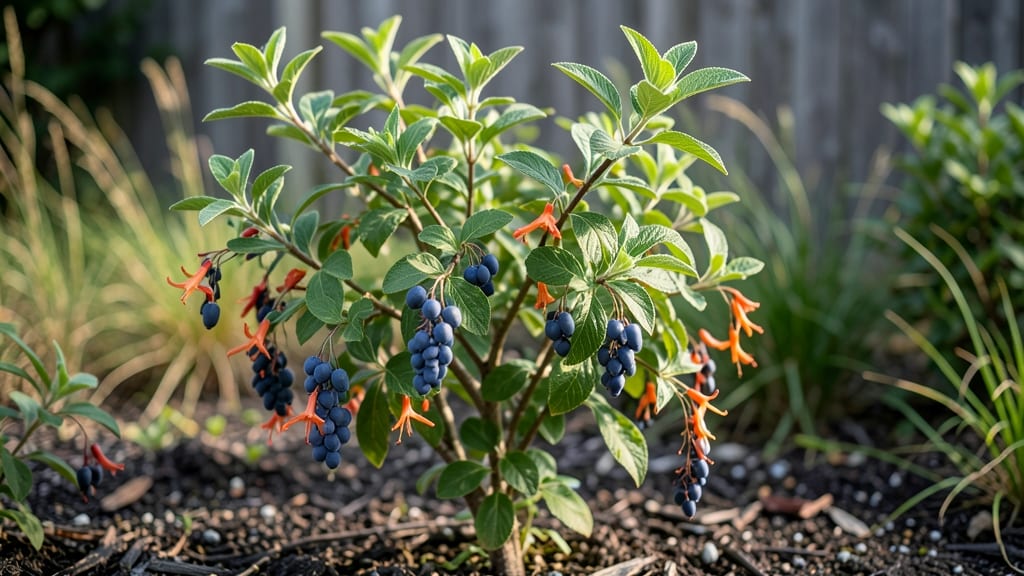
Edible honeysuckle bushes include varieties like Lonicera periclymenum, where the fragrant flowers and tender young shoots can be eaten raw or cooked. Japanese honeysuckle flowers are also safe, but avoid bitter-tasting species and never consume unripe berries or stems, which may cause stomach upset or toxicity. Always verify the plant type before harvesting any parts.
Not all honeysuckle is safe to eat—some species contain toxic compounds that can cause nausea or worse. 🌿 The key is identifying the right type: look for sweet-smelling blooms and avoid plants with bitter leaves or berries.
I've found that European honeysuckle (Lonicera periclymenum) is the most reliable choice for foraging, while its invasive relatives should be avoided entirely. When harvesting, focus on the flowers and very young shoots, as these are the only parts consistently safe across edible varieties.
The flowers make a fantastic tea or garnish, while shoots can be lightly cooked like asparagus. Just be cautious—many lookalike plants exist, and misidentification can lead to serious health risks. Always cross-reference with a local foraging guide or expert before gathering from the wild.
💡 In This Article
- Identifying Edible vs Toxic Honeysuckle Varieties
- Harvesting and Preparing Honeysuckle for Cooking
Identifying edible vs toxic honeysuckle varieties
The most critical step in safely eating honeysuckle is distinguishing between edible and toxic varieties. European honeysuckle (Lonicera periclymenum), also called woodbine, is the safest choice for foraging, featuring pale yellow flowers that grow in pairs and emit a strong, sweet fragrance.
These flowers are the only edible part of this species, while the berries—though tempting—can cause mild stomach upset if consumed in large quantities. 🌸 The leaves are oval-shaped with serrated edges, growing in opposite pairs along the stem, which helps differentiate it from lookalikes.
Japanese honeysuckle (Lonicera japonica) is another commonly foraged species, but only its flowers are edible—never the berries or stems. This variety has white to pale yellow tubular flowers that grow in clusters, with a milder scent compared to European honeysuckle.
The key danger lies in invasive honeysuckles like Lonicera maackii (Amur honeysuckle), which has bitter-tasting leaves and berries that can cause nausea or vomiting. Always perform the "bitter test": crush a leaf between your fingers—if it tastes bitter, avoid the plant entirely.
Regional risks add another layer of complexity. In North America, Lonicera morrowii (Morrow's honeysuckle) is often mistaken for edible varieties but contains toxic compounds in its berries.
The stems of most honeysuckles contain glycosides, which can irritate the digestive tract if ingested, so they should never be consumed. 🌿 To confirm identification, compare your plant to local field guides or consult with a botanist, especially if you're unfamiliar with regional flora.
A simple trick is to observe the growth habit: edible varieties tend to climb or twine, while toxic species often grow as dense shrubs.
Visual markers are your best defense. Edible honeysuckle flowers typically bloom in spring to early summer and have a honey-like aroma when crushed. The shoots should be tender and bright green, no thicker than a pencil, and free of woody fibers.
If the plant has dark purple-black berries that persist into winter, it’s almost certainly toxic. Always harvest from pesticide-free areas, preferably organic gardens or certified wildcrafting zones, to avoid chemical contamination.
Foraging mistakes can have serious consequences. In 2017, a case study in the Journal of Toxicology documented hospitalizations from consuming unripe honeysuckle berries, which contain saponins that disrupt cell membranes. Symptoms included vomiting, diarrhea, and dizziness within 2-4 hours of ingestion.
To stay safe, limit consumption to 1-2 tablespoons of flowers per serving and monitor for allergic reactions, especially if you have sensitivities to pollen or plants in the Caprifoliaceae family.
Consider these key factors when identifying honeysuckle:
- Flower color: Pale yellow or white tubular blooms (avoid red or dark purple flowers)
- Scent: Sweet, honey-like aroma (bitter or no smell = toxic)
- Leaf shape: Opposite pairs with serrated edges (not lobed or heart-shaped)
- Growth habit: Climbing or twining vines (not dense shrubs)
- Berries: Never consume unless confirmed edible (most are toxic)
When in doubt, skip it. The risks of misidentification far outweigh the culinary rewards, especially for beginners. 💫