
How To
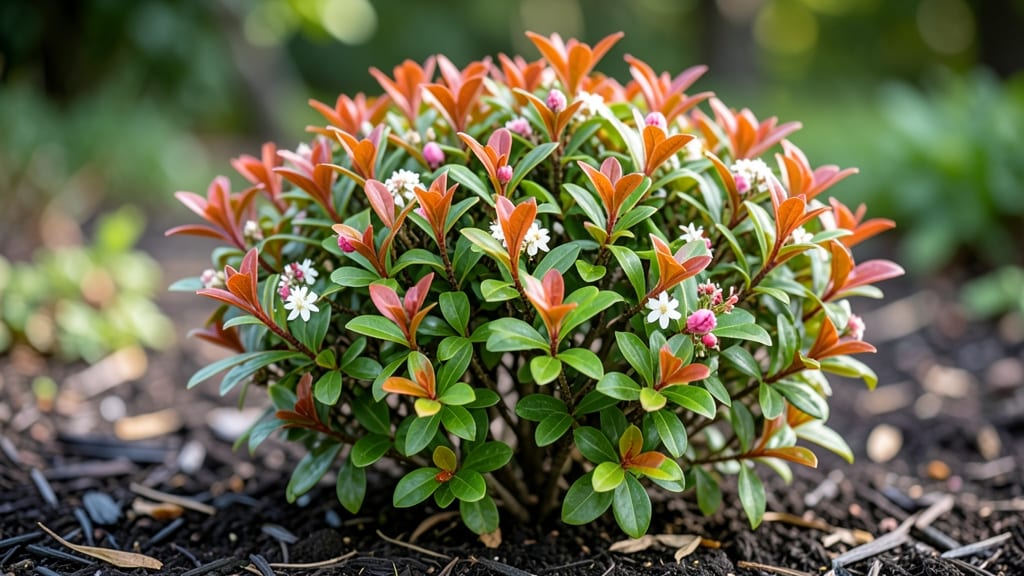
A dwarf burning bush typically grows 3 to 6 feet tall and 3 to 5 feet wide at maturity, making it a versatile choice for smaller landscapes.
If you’re considering adding one to your yard but worry about it outgrowing its welcome, you’re not alone—many gardeners underestimate how quickly even "dwarf" varieties can spread. The good news? With the right variety and spacing, you can enjoy vibrant fall foliage without sacrificing control.
Unlike the standard burning bush, which can reach 10 to 15 feet, dwarf varieties stay compact, but their growth habits still depend on soil, sunlight, and pruning. Below, I’ll break down the exact sizes of popular dwarf cultivars, spacing guidelines, and how to keep them tidy year after year.
You’ll also discover how to compare varieties, adjust planting spaces for your climate, and prune for long-term health—so you can plan with confidence and avoid surprises down the road.
Dwarf burning bush height and spread: exact dimensions by popular varieties
Choosing a dwarf burning bush (Euonymus alatus) for your landscape means balancing vibrant fall color with manageable size. While these varieties stay smaller than their standard counterparts, their height and spread can still surprise gardeners. Understanding the mature dimensions of each cultivar helps you plan spacing and avoid overcrowding.
Let’s break down the exact sizes for the most popular compact varieties so you can select the perfect fit for your garden.
The key to controlling a dwarf burning bush’s growth lies in selecting the right variety and providing proper spacing. Some cultivars like 'Centennial' stay under 3 feet tall, while others like 'Dwarf Firespirit' reach nearly 5 feet.
Below, you’ll find precise measurements for each variety, including their typical height range, spread width, and growth rates to help you visualize their mature form.
If you’re planting 'Centennial', expect it to mature at 2–3 feet tall and 3–4 feet wide, making it ideal for small gardens or foundation plantings. This variety grows at a slow to moderate rate, so it won’t outpace your landscape plans quickly.
For a slightly larger but still manageable option, 'Angelita' reaches 3–4 feet tall and 4–5 feet wide, perfect for containers or mixed borders where you want a touch more presence.
The 'Dwarf Firespirit' is often misunderstood—despite its name, it grows taller than many true dwarfs, reaching 4–5 feet tall and 5–6 feet wide. This makes it better suited for screening or larger borders rather than tight spaces.
If you love the fiery fall colors but need something even more compact, 'Compactus' is a reliable choice, staying between 3–5 feet tall and 4–5 feet wide with a slow growth rate that’s easier to manage.
For gardeners with more space, 'Rudy Haack' offers dramatic fall foliage but grows larger, reaching 5–6 feet tall and 6–7 feet wide. While it’s still considered a dwarf variety, its size is closer to standard burning bushes.
If you’re unsure which to choose, consider your planting location and how much maintenance you’re willing to invest in pruning to keep it in check.
All dwarf burning bushes benefit from well-draining soil and full sun exposure, which helps control their spread. Planting them in sandy or loamy soil with adequate drainage prevents root-bound growth, which can lead to overcrowding.
Additionally, mulching around the base reduces competition from weeds and retains moisture, promoting healthier, more controlled growth.
One common misconception is that dwarf varieties will stay small indefinitely without intervention. In reality, even the most compact cultivars like 'Centennial' or 'Compactus' may require occasional pruning to maintain their shape, especially if they’re planted in ideal growing conditions.
Regular trimming in late winter or early spring encourages bushier growth and prevents legginess.
When planning your layout, remember that spread is just as critical as height. A 'Dwarf Firespirit' with a 5–6 foot spread needs at least 6 feet of clearance on either side to avoid shading out neighboring plants.
For varieties like 'Angelita', which spread 4–5 feet, maintain a 5-foot spacing between plants to allow for airflow and prevent disease.
If you’re using dwarf burning bushes in a hedge or formal border, space them 3–4 feet apart for varieties like 'Compactus' or 'Centennial'. This spacing allows for natural filling over time while keeping the hedge manageable.
For a more relaxed, informal look, increase spacing to 5–6 feet to give each plant room to spread without competing for resources.
For container gardening, choose varieties like 'Angelita' or 'Centennial', which thrive in 15–20 gallon pots. Ensure the container has drainage holes and use a high-quality potting mix to prevent root rot.
In containers, these bushes will stay slightly smaller than their in-ground counterparts, making them perfect for patios or balconies where space is limited.
Optimal planting spaces and spacing rules to prevent overcrowding
When planting dwarf burning bushes, proper spacing is key to preventing overcrowding while allowing them to thrive.
These shrubs naturally spread over time, so giving them room to grow ensures they maintain their compact shape and vibrant foliage. Sun exposure and soil conditions also play a role in how much space they’ll need, so let’s break down the best practices for different planting scenarios.
For most dwarf burning bush varieties, a spacing of 3 to 4 feet apart is ideal when planting in borders or mixed shrub beds. This allows airflow to reduce disease risk and prevents the shrubs from competing for nutrients.
If you’re planting them in a hedge row, you can space them slightly closer—around 2.5 to 3 feet—but avoid planting them too tightly, as this can lead to stunted growth or leggy stems.
Soil type affects how quickly your dwarf burning bush will spread. In well-draining, fertile soil, these shrubs grow more vigorously and may need slightly more space. In contrast, poor or rocky soil can slow their growth, allowing you to plant them closer together without overcrowding. Always amend the soil with compost or organic matter before planting to encourage healthy root development.
- 3-4 ft spacing for borders or mixed plantings to maintain compact growth and airflow.
- 2.5-3 ft spacing for hedge rows, but avoid planting too tightly to prevent competition.
- Sunny locations may require slightly more space (up to 4 ft) due to faster growth rates.
- Shady spots can reduce spread, allowing closer spacing (3 ft or less).
- Well-draining soil promotes faster growth, so adjust spacing accordingly.
- Prune annually to control spread and maintain the dwarf shape over time.
If your dwarf burning bush is planted in a sunny location, it will grow more vigorously and may need up to 4 feet of space between plants. In shady conditions, growth slows, and you can reduce spacing to 3 feet or less.
Always consider the mature size of the variety you’re planting—some, like 'Compactus', stay under 3 feet tall, while others may reach 4 to 5 feet with proper care.
To keep your dwarf burning bushes looking their best, prune them annually in late winter or early spring. This helps control their spread and encourages a bushier, more compact form. Avoid heavy pruning in fall, as this can stimulate new growth that may not harden off before winter.
Mulching around the base of the plant also helps regulate soil temperature and moisture, which further supports controlled growth.
By following these spacing guidelines and adjusting for your specific garden conditions, you’ll ensure your dwarf burning bushes stay vibrant, healthy, and perfectly sized for your landscape design. With the right care, they’ll provide years of stunning fall color without taking over your garden space. 🌿