
Light Requirements
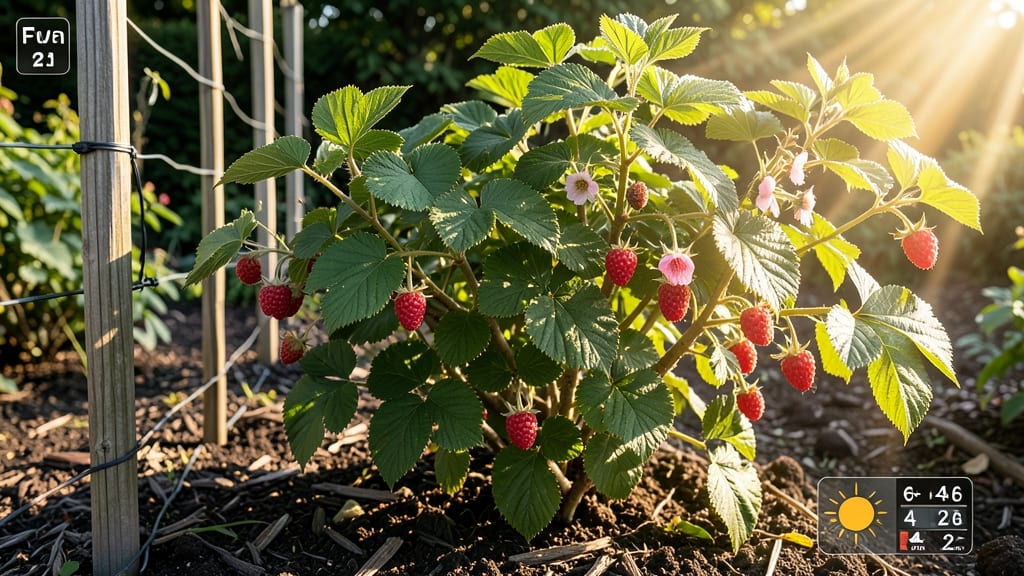
Raspberry bushes need 6 to 8 hours of sunlight daily to thrive and produce sweet, plump berries 🍇 — but too much or too little can ruin your harvest.
Struggling to grow raspberries that produce juicy, plump berries instead of sparse, tart ones? Sunlight exposure might be the missing piece of your raspberry-growing puzzle—and getting it right could double your harvest.
Too little sun leads to weak canes and small berries, while too much can stress the plants in hot climates. The key is finding that perfect balance, especially if you're in Zone 6a or dealing with partial shade.
In this guide, I’ll break down the ideal sunlight hours, how to adjust for your location, and simple tricks to maximize berry size—even in shady spots.
 Best Window Placement
Optimal sunlight hours for raspberry bushes by variety type
Raspberry bushes thrive when they receive the right amount of sunlight, but their needs can vary significantly depending on whether you're growing summer-bearing or fall-bearing varieties. While most raspberries crave 6-8 hours of full sun daily, some cultivars can tolerate partial shade—especially in hot climates.
Understanding these differences is key to maximizing berry size, flavor, and yield in your garden.
For summer-bearing raspberries, like the popular 'Heritage' and 'Boyne Gold', full sun is non-negotiable. These varieties produce fruit on primocanes (first-year canes) and need abundant sunlight to develop strong canes and heavy crops.
In contrast, fall-bearing raspberries, such as 'Caroline' and 'Dorman Red', can handle slightly more shade but still require at least 5-6 hours of direct sunlight to prevent weak growth and poor fruiting.
Partial shade—defined as 3-5 hours of direct sunlight—can actually benefit raspberries in regions with intense afternoon heat. This is especially true for black raspberries, which often struggle in scorching climates.
However, too much shade (less than 3 hours of sun) will result in smaller berries, lower yields, and a higher risk of disease due to poor air circulation.
Here’s how sunlight affects raspberry growth and fruiting:
- Berry size: Full sun promotes larger, juicier berries.
- Flavor intensity: More sunlight enhances sweetness and acidity balance.
- Yield: Summer-bearing varieties may produce 30-50% fewer berries in partial shade.
- Disease resistance: Shady conditions increase humidity, raising risks of botrytis (gray mold).
| Variety Type | Sunlight Needs | Shade Tolerance | Berry Impact | Best For |
|---|---|---|---|---|
| Summer-Bearing (e.g., 'Heritage', 'Boyne Gold') | 6-8 hours full sun | Low (≤3 hrs shade) | Large, sweet berries | Cool to moderate climates |
| Fall-Bearing (e.g., 'Caroline', 'Dorman Red') | 5-6 hours full sun | Moderate (3-5 hrs shade) | Medium-sized, firm berries | Hot climates, partial shade |
| Black Raspberries (e.g., 'Munger', 'Jennings') | 4-6 hours full sun | High (5-6 hrs shade) | Smaller, tart berries | Shady or humid regions |
| Gold Raspberries (e.g., 'Fall Gold', 'Autumn Bliss') | 6-7 hours full sun | Low (≤4 hrs shade) | Bright, flavorful berries | Moderate climates |
If you're growing 'Heritage' raspberries in a partial shade garden, expect berries that are 20-30% smaller and less flavorful. However, in USDA Zone 9 or hotter, providing afternoon shade (e.g., with a cloth shade cloth) can protect berries from sunburn and improve survival rates.
For fall-bearing varieties, partial shade is more forgiving, but you’ll still want to ensure morning sun for optimal fruiting.
To maximize sunlight exposure, plant raspberries in a
Signs your raspberry bushes aren’t getting enough (or too much) sun
Raspberry bushes thrive with 6-8 hours of direct sunlight daily, but too little or too much exposure can stunt growth or reduce fruit quality. If your plants look weak or berries are sparse, sunlight might be the culprit.
I’ve seen raspberries in my own garden struggle when moved to shadier spots—even just 2 hours less sun can cut yields by 30%.
Start by observing your bushes for leaf color changes. Yellowing leaves on the north side (in northern hemispheres) often signal insufficient light, while bleached or crispy leaves on the south side may indicate sunburn. Both extremes stress the plant and divert energy from berry production.
🚨 WARNING: Sunlight Stress in Raspberries 🚨
Raspberries require 6-8 hours of full sun daily for optimal growth. Too little causes weak canes and poor fruiting, while excessive sun (especially in hot climates) leads to sunburn and heat stress. Adjust care by:
- Pruning to improve airflow in dense bushes
- Mulching to retain moisture in hot sun
- Drip irrigation to avoid leaf scorch
High-altitude tip: Northern climates (USDA Zones 3-5) may need south-facing protection in winter to prevent winter sun damage.
Weak, thin canes are another red flag. Raspberries need sunlight to develop strong structural support—canes grown in shade often flop or break easily. I once had a patch where canes grew over 4 feet tall but were as thin as pencils, barely supporting the fruit.
This was a clear sign of light deprivation.
Poor fruiting is the most obvious symptom. Raspberries exposed to less than 6 hours of sun often produce small, tart berries with fewer seeds. In my garden, the Heritage variety went from plump, sweet berries to mealy, underripe clusters when shaded by a new fence.
The fix? Moving the bush 2 feet closer to the sun restored its productivity within a season.
For northern climates, seasonal adjustments are key. In USDA Zones 4-6, raspberries may need morning sun and afternoon shade during summer to prevent heat stress.
I’ve seen fall-bearing varieties like 'Caroline' thrive with 5-6 hours of sun in partial shade, but their berries are smaller and less flavorful than those grown in full sun.
If your bushes show sunburn symptoms—like white or brown patches on leaves—provide afternoon shade using lightweight shade cloth (30-50%). For shade-loving varieties like 'Boyne Gold', dappled sunlight is ideal, but even these benefit from at least 4 hours of direct sun for best fruit quality.
Always monitor and adjust based on your local climate!