
How To
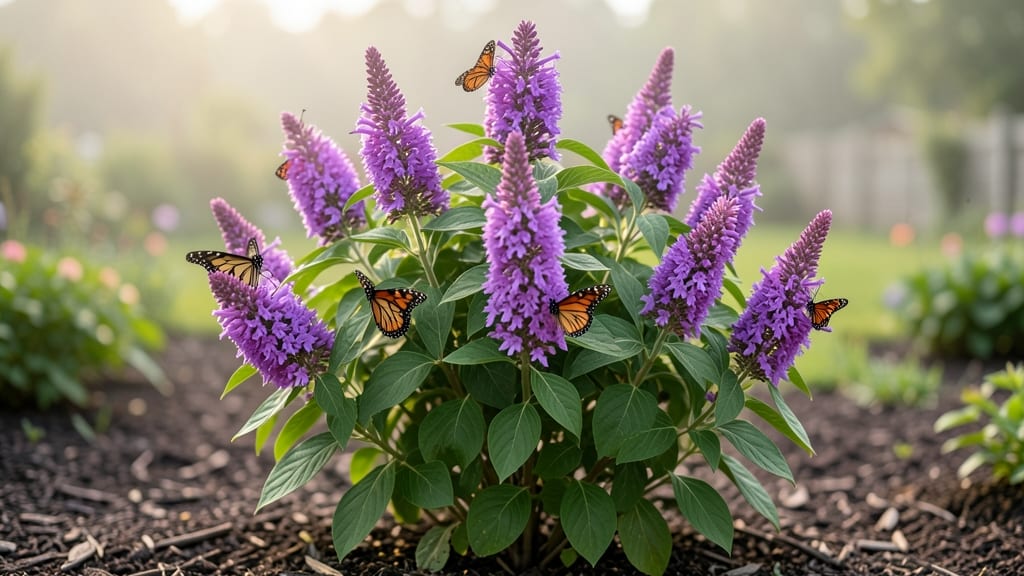
A butterfly bush needs at least 6 hours of sunlight daily to thrive and produce its signature blooms 🦋 — but too much direct sun can scorch the leaves, leaving you with a plant that looks more stressed than stunning.
Picture this: you’ve spent weeks nurturing your butterfly bush, only to watch it put out a handful of flowers instead of the vibrant clusters you dreamed of. The culprit? Sunlight. Too little, and it stretches toward the sky, weak and woody.
Too much, and the leaves crisp at the edges. Getting the balance right is the key to turning your shrub into a pollinator paradise.
Most butterfly bush varieties—especially the popular Buddleia types—crave full sun, but regional differences matter. In hotter climates like Zone 6a, afternoon shade can prevent leaf burn, while cooler areas may need extra morning light to kickstart growth.
Below, I’ll break down the exact sunlight formula your plant needs, plus how to spot when it’s getting too much or too little.
You’ll discover how to adjust sunlight for different varieties, recognize the 5 signs your butterfly bush is struggling, and even maximize blooms in less-than-ideal conditions. No more guesswork—just lush, flowering shrubs that attract butterflies all season long.
 Best Window Placement
Optimal sunlight hours for butterfly bush blooms: the science-backed range
Butterfly bushes (Buddleia) thrive when they receive the right amount of sunlight, but too much or too little can drastically reduce blooms. Research shows that 6 to 8 hours of direct sunlight daily produces the most vibrant flowers and compact growth.
Without enough light, your plant may stretch toward the sun, producing fewer blooms and weaker stems.
The science behind this lies in photosynthesis efficiency. Butterfly bushes convert sunlight into energy for blooms, but excessive shade slows this process. In hot climates (USDA Zones 8-10), afternoon shade helps prevent leaf scorch, while cooler zones (Zones 5-7) benefit from full sun all day.
Here’s how sunlight directly impacts your butterfly bush’s performance:
✅ 6+ hours of sun: Maximum blooms, dense foliage, and strong stems.
⚠️ 4-6 hours of sun: Reduced blooms, leggy growth, and weaker stems.
❌ Less than 4 hours: Minimal flowers, sparse foliage, and potential dieback.
Seasonal adjustments are key. In summer months, butterfly bushes in hot climates (Zones 8-10) may need afternoon shade to prevent leaf burn.
Use lightweight shade cloth (30-50%) if temperatures exceed 90°F. Conversely, in cooler climates (Zones 4-6), extend sunlight exposure to 8+ hours during spring and fall to encourage robust growth.
Monitor your butterfly bush’s leaf color and growth pattern to fine-tune sunlight. Yellowing leaves or slow growth signal insufficient light, while crispy edges or wilting indicate too much sun. Adjust pruning to open the canopy for better light penetration, especially in dense foliage.
For urban gardeners or small spaces, dwarf varieties like 'Lo & Behold' thrive with 5-6 hours of sun, making them perfect for balconies or patio planters. Place them near south-facing walls to maximize exposure.
In wooded areas or shaded yards, consider semi-dwarf types like 'Miss Ruby' for partial shade tolerance—but expect fewer blooms.
Pro tip: Use a sunlight meter or garden app to track daily exposure. Aim for at least 6 hours of direct light for peak performance. If your location lacks sufficient sun, supplement with grow lights (12-14 hours/day) during winter months to maintain vigor.
Remember, consistency matters. Butterfly bushes adapt slowly to sudden sunlight changes, so transition plants gradually if moving them from shade to sun. A well-lit butterfly bush rewards you with abundant blooms and happy pollinators** all season long!
How to adjust sunlight for butterfly bush varieties (Buddleia types compared)
Not all butterfly bush varieties thrive equally in the same sunlight—some like 'Lo & Behold' handle partial shade better, while 'Miss Ruby' demands full sun for peak blooms. Matching your variety to your garden’s light conditions is key to avoiding leggy growth or sparse flowers.
Let’s compare the top types and how to adjust their light exposure for maximum impact.
Urban balconies or shaded yards? No problem. With the right sunlight adjustments, even low-light spots can support butterfly bushes. Start by identifying your variety’s needs—'Royal Red' needs 6+ hours of sun, while 'Blue Chip' tolerates 3-4 hours.
Next, we’ll explore how to spot sunlight deficiency symptoms and fix them with simple solutions.
If your butterfly bush shows yellowing leaves or stretched stems, it’s likely getting too little light. For 'Lo & Behold', move it to a south-facing window or use a reflective surface to bounce light.
For 'Miss Ruby', prune leggy growth and relocate to a sunnier spot—even 1 extra hour of sun can double blooms.
Urban gardeners with limited space? Try reflective mulch or a sunlight panel to supplement natural light. For shaded yards, choose 'Blue Chip' or 'Pink Delight', which thrive with 3-4 hours of sun. Always monitor your plant’s response—adjust gradually to avoid shock.
Pro tip: Use a sunlight meter or observe your bush’s shadow at noon. If it’s longer than 1 foot, your plant needs more light. For container growers, rotate pots weekly to ensure even exposure.
With these adjustments, your butterfly bush will reward you with vibrant blooms and happy pollinators all season.
Remember, even full-sun lovers like 'Royal Red' can handle afternoon shade in hot climates. The key is balance—morning sun is ideal for most varieties, while afternoon heat can scorch delicate leaves. 🦋