
Shrubs
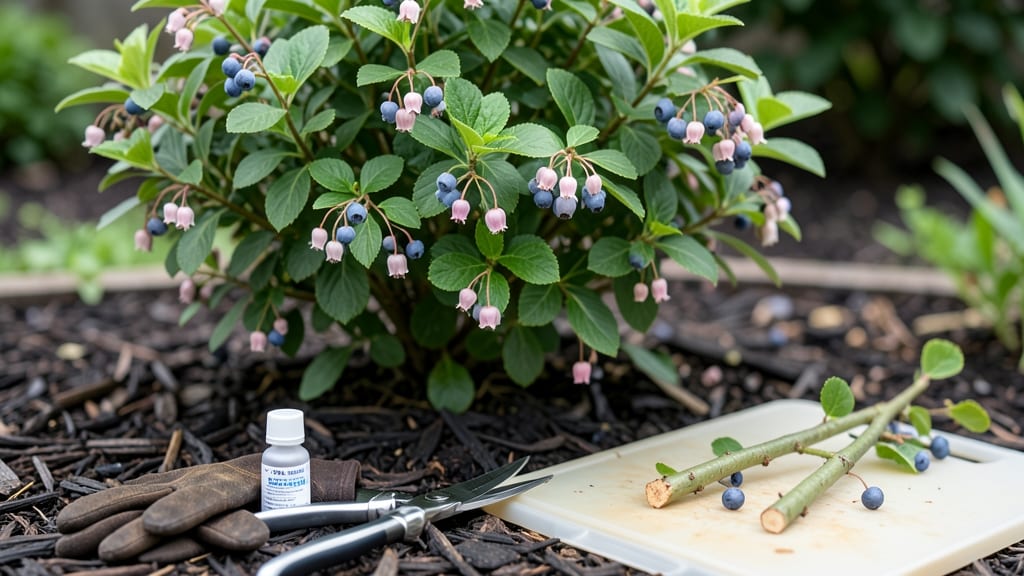
Cutting blueberry bushes the right way means doubling your harvest next season. 🌿 I’ve learned that pruning isn’t just about trimming back—it’s about encouraging strong growth, better airflow, and more berries. The key is knowing when and how to cut, because timing makes all the difference.
Start with the right tools: sharp pruners, loppers for thicker branches, and gloves to protect your hands. You’ll focus on three main cuts: removing dead or diseased wood, thinning out crowded branches, and shaping the bush for sunlight exposure.
Highbush varieties need more aggressive pruning than rabbiteye, but the principles stay the same. By the end, your bushes will look neater, produce more berries, and stay healthier for years. The best part? You’ll see fresh, vibrant growth within weeks of proper pruning.
Let’s get those branches looking sharp!
Here’s the secret: prune late winter or early spring before new growth starts. That’s when the bush is dormant but about to wake up—perfect timing for shaping. Avoid cutting in fall, as it can leave the plant vulnerable to winter damage.
For highbush varieties, aim to keep the oldest canes (more than 5 years old) pruned out to make room for younger, more productive branches. Mistakes happen, but the biggest one is over-pruning. Don’t remove more than one-third of the bush at once, or you’ll stress the plant.
Another common error is cutting too close to the base—always leave a small stub to prevent disease. And if you’re unsure which branches to keep, remember: thicker, younger canes mean bigger harvests.
This method works for any blueberry variety, whether you’re growing in containers or a full garden bed. The same principles apply, just scaled to your bush’s size. With a little practice, you’ll prune like a pro—and your bushes will thank you with juicy, plump berries for years to come.
📚 In This Guide
- What you need
- Instructions
- Tips and common mistakes
- Wrapping up and next steps
What you need
- ● Pruning shears – Bypass pruners (sharp, clean, and comfortable to handle; blank">Felco F-2 or blank">Gonicc TSS-130 are great choices).
- ● Loppers – For thicker branches (1.5"–2" diameter); look for ratcheting or bypass-style loppers like the blank">Fiskars X27.
- ● Hand pruners – Anvil-style (budget-friendly) or bypass-style for precision cuts (e.g., blank">Corona Tools 5500).
- ● Gloves – Garden gloves with cut-resistant palms (e.g., blank">Wright & McGill or blank">Felco for durability).
- ● Disinfectant – Rubbing alcohol (70%+) or bleach solution (1 part bleach to 9 parts water) to sterilize tools between cuts.
- ● Heavy-duty trash bags – For removing pruned branches (2–3 bags, depending on bush size).
- ○ Marking twine or flags – Optional but helpful for labeling branches to prune (e.g., blank">bright-colored survey flags).
- ● Safety glasses – Protects eyes from debris (e.g., blank">Uvex S1991XX).
- ● Knee pads – For comfort if pruning low-growing bushes (e.g., blank">Gorilla Grip).
- ● Extension pole saw – For high branches (e.g., blank">Fiskars 42" Extendable Pole Saw).
- ○ Pruning sealant – Optional for large cuts (e.g., blank">Tanglefoot Tree Wound Pruning Seal).
- ● Notebook & pen – To sketch or note pruning plans for large bushes.
Step-by-Step guide to pruning blueberry bushes
Here's how I keep my blueberry bushes thriving—simple cuts that boost fruit production every year.
✂️ Step 1: Prune Old Wood in Late Winter
Start by removing any dead, diseased, or crossing branches first—these compete with healthy growth. I like to do this in late winter (just before buds swell) when the plant is dormant. Use clean, sharp pruners to make cuts at a 45-degree angle, about ¼ inch above a bud facing outward. This prevents water from pooling on the wound.
Look for branches that are gray, brittle, or hollow—these won’t produce fruit and should go completely. For older bushes, cut out any stems thicker than a pencil that are more than 5 years old. These branches produce fewer berries and take energy from younger growth. Real talk: If you skip this, your bush gets crowded and berry production drops.
✂️ Step 2: Thin Out Overcrowded Branches in Early Spring
Once buds begin to swell (around March or April, depending on your climate), focus on thinning the canopy. Remove 10-20% of the oldest stems at the base—this encourages new, fruiting wood. I aim for a V-shape in the center, letting light and air reach the middle of the bush. You’ll see clusters of reddish buds—these are your future berries.
Don’t cut more than ⅓ of the bush in one year, or you’ll shock the plant. If you have multiple canes growing from the same spot, keep only the strongest one. Watch for water sprouts (thin, upright stems)—these steal energy from fruit production and should be pruned off immediately. Here’s the thing: A well-thinned bush produces 30% more berries the next season.
✂️ Step 3: Light Summer Pruning After Harvest
After the berries are picked (around July or August), do a quick check for suckers—those are the little shoots growing from the base or along the stems. Snip them off at the base with clean pruners. This keeps the plant’s energy focused on fruit production, not wild growth. I also remove any weak, spindly branches that aren’t producing well.
If your bush is overgrown, you can do a light heading back—cutting the tips of branches by ⅓ to encourage bushier growth. Just don’t go overboard: Blueberries are sensitive to heavy pruning after harvest. You’ll notice new green shoots forming within a few weeks—that’s your plant responding to the trim.
✂️ Step 4: Clean Up and Mulch in Fall
Before winter sets in, rake up all the fallen leaves and debris around the base. This prevents fungal diseases from overwintering. I also mulch lightly with 2-3 inches of organic matter (like wood chips) to protect the roots from freezing. Avoid piling mulch against the stems—keep it 3-4 inches away to prevent rot.
This is also the time to sharpen your pruners for next year. A dull blade tears branches, slowing healing. Store your tools in a dry place to prevent rust. I know it seems like a small step, but a clean pruning job now means healthier growth come spring—and that means more berries for you.
Tips & tricks for perfect blueberry bush pruning
These simple strategies will help you prune like a pro—and keep your blueberries coming back bigger and better every season.
Timing is Everything: Late winter (just before buds swell) is your best window for Step 1 pruning. I've learned this the hard way—pruning too early can stimulate new growth that gets damaged by late frosts. For Step 2 in early spring, wait until you see those reddish buds forming, which means the plant is ready to respond to pruning. In colder climates, March might be perfect, while warmer zones can start in February.
Visual Cues Over Rules: When thinning in Step 2, focus on creating that V-shape rather than just counting branches. Look for the strongest canes—these will have smooth bark and be thicker than a pencil. The weak ones often have rough bark or are thinner than your pinky finger. I always keep at least one-third of the oldest stems to maintain the bush's structure while encouraging new growth.
Tool Maintenance Matters: Your pruners are your most important tool, and they need proper care. After each pruning session, wipe them clean with rubbing alcohol to prevent disease spread. Sharpen them annually or when you notice cuts tearing rather than slicing cleanly. I keep a small file in my toolbox and sharpen before each pruning season—it makes all the difference in clean cuts that heal properly.
Seasonal Checklist: Create a simple seasonal pruning calendar to remind yourself when each step is due. Mark your calendar for late winter (Step 1), early spring (Step 2), summer after harvest (Step 3), and fall cleanup (Step 4). I've found that having this visual reminder prevents me from missing any crucial steps. For example, if you skip the summer pruning, those suckers can take over and reduce your berry yield by up to 40% the next season.
Pro Tips for Cut Blueberry Bushes
- These simple strategies will help you prune like a pro—and keep your blueberries coming back bigger and better every season.
- Timing is Everything: Late winter (just before buds swell) is your best window for Step 1 pruning.
- Visual Cues Over Rules: When thinning in Step 2, focus on creating that V-shape rather than just counting branches.
Frequently asked questions
Got questions about cutting your blueberry bushes? You’re not alone!
Here are answers to the most common concerns—from timing to tools and troubleshooting—to keep your bushes thriving and productive.
When is the best time to prune blueberry bushes?
The ideal time to prune is late winter or early spring (before buds swell) for dormant-season shaping. You can also do light pruning in summer after harvest to remove dead or overcrowded branches. Avoid heavy cuts in fall, as it can stress the plant before winter.
Can I use regular garden shears or do I need special pruners?
While you can use basic hand pruners for small branches, bypass pruners or loppers work best for thicker stems (over ½ inch). For large-scale pruning, a pruning saw or hedge shears (for topiary-style bushes) are ideal. Always sterilize tools with rubbing alcohol to prevent disease spread!
What if my blueberry bush isn’t producing berries after pruning?
Lack of berries often stems from over-pruning, poor pollination, or age. Check for:
- Canes older than 5–6 years (remove them—they’re past their prime).
- Improper pruning (e.g., cutting back too aggressively). Stick to 1/3 of the bush max per year.
- Cross-pollination needs: Plant at least two varieties (like ‘Bluecrop’ + ‘Duke’).
- Soil pH (blueberries need acidic soil, 4.5–5.5). Test and amend if needed.
Do I need to prune blueberry bushes every year?
Yes! Annual pruning keeps bushes healthy and productive by:
- Removing dead, diseased, or weak wood (year-round).
- Opening the center for better airflow and sunlight (prevents mold).
- Encouraging new growth from younger, fruiting canes.
What if I accidentally prune too much?
Don’t panic! If you’ve over-pruned (e.g., cut back more than ⅓ of the bush):
- Leave some healthy canes—even if they’re small.
- Focus on removing only dead/damaged wood next year.
- Fertilize with high-nitrogen acid fertilizer to encourage regrowth.
- Water deeply and mulch heavily (2–3 inches) to reduce stress.
Wrapping up and next steps
Cutting your blueberry bushes doesn’t have to be intimidating—with the right timing, tools, and techniques, you’ll keep them thriving and productive for years to come! 🌱 Remember, pruning in late winter or early spring (before buds swell) is key, while light summer trims help maintain shape and airflow.
Stay patient, observe your bushes, and adjust as needed—your efforts will reward you with juicier berries and healthier growth!
Ready to take your blueberry patch to the next level? Start small: pick one bush to practice, then expand your skills to the whole garden. Happy pruning—your future berry harvests will thank you! 🍇✨