
Shrubs
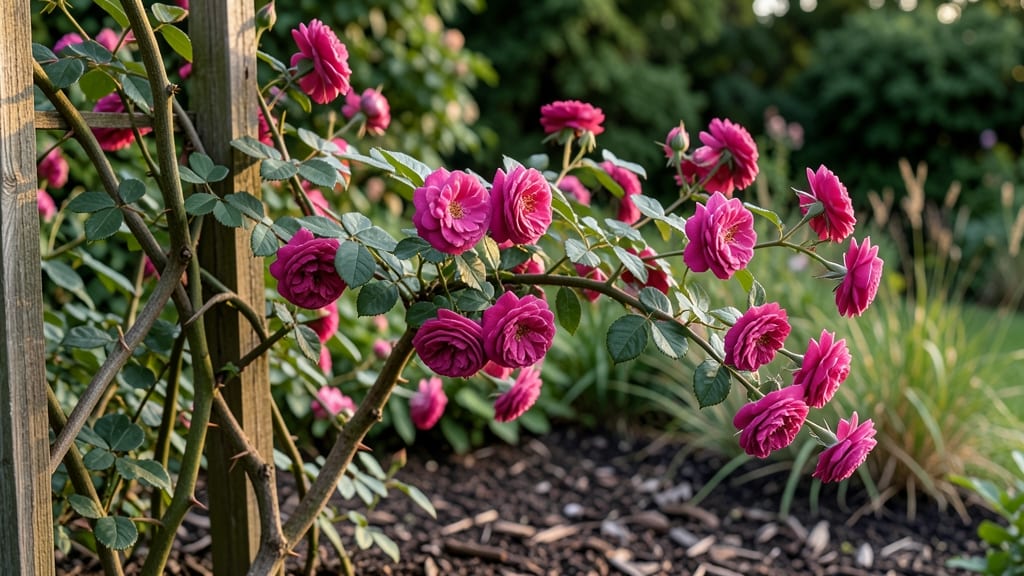
How to take care of a climbing rose bush turns walls into living tapestries—but only if you master its care. 🌹 I’ve wrestled with thorny vines that refused to bloom, and now I’m sharing the exact pruning schedule, watering rhythm, and soil secrets that turn my climbing roses into nonstop flowering showstoppers year after year.
The key is timing: prune in late winter when buds swell, water deeply but infrequently, and feed with a balanced fertilizer every 6 weeks. Most gardeners over-prune or under-water—both mistakes lead to leggy, sparse blooms.
My roses get 1 inch of water weekly (more in summer heat) and a 3-inch layer of mulch to lock in moisture.
By summer’s end, you’ll have a vine so lush it looks like a fairy-tale arbor. The secret’s in the cuts: always prune at a 45-degree angle just above an outward-facing bud, and never remove more than ⅓ of the plant in one season.
Pests? A blast of water and neem oil keeps aphids at bay.
Works for trellises, fences, or even balcony railings—just adjust pruning intensity based on your rose’s vigor. Let’s get those blooms going!
📚 In This Guide
- What you need
- Instructions
- Tips and common mistakes
- Wrapping up and next steps
What you need
- ● Pruning shears: Sharp, bypass-style shears (avoid anvil types—they crush stems). Example: Felco F-2 or Corona Tools.
- ● Loppers: For thicker stems (1–2 inches thick). Example: Fiskars PowerGear.
- ● Gloves: Heavy-duty, thorn-proof gardening gloves (e.g., Mechanix Wear or Fox River Garden Gloves).
- ● Disinfectant: 70% isopropyl alcohol or a 10% bleach solution (1 part bleach to 9 parts water) to sterilize tools between cuts.
- ○ Pruning sealant: Optional but helpful for large cuts (e.g., Tanglefoot Tree Wound Pruning Seal).
- ● Support structure: Trellis, arbor, or fence (ensure it’s at least 6–8 feet tall for most climbing roses).
- ● Mulch: Organic mulch like wood chips or shredded bark (2–3 inches deep) to retain moisture and suppress weeds.
- ● Fertilizer: Balanced fertilizer: 10-10-10 or 20-20-20 (apply early spring and after blooming).
- ● Rose-specific fertilizer: High in phosphorus (e.g., Miracle-Gro Rose & Flower Food).
- ● Watering can or hose: With a gentle spray nozzle to avoid damaging stems.
- ● Pruning saw: For thick, woody stems (3+ inches).
- ● Rose food spikes: Slow-release granules for convenient feeding.
- ● Epsom salt: 1 tablespoon per gallon of water (monthly spray for magnesium boost).
- ● Plant ties: Soft fabric or plastic ties to secure new growth to the trellis.
- ● Drip irrigation system: For consistent moisture (especially in hot climates).
- ● Fungicide: Preventative spray (e.g., Neem oil or copper fungicide) for disease-prone areas.
Step-by-Step instructions for pruning and caring for a climbing rose bush
Here’s how I keep my climbing roses blooming abundantly—no guesswork, just clear steps and checkpoints.
🌿 Step 1: Prune in Late Winter or Early Spring for New Growth
Wait until after the last frost when daytime temperatures stay above 40°F—this ensures no late freezes will damage tender new buds. Grab your clean, sharp pruners and remove dead, diseased, or crossing branches first. These are easy to spot: they’re brown, mushy, or growing inward toward the center of the plant.
Next, cut back last year’s growth by one-third to encourage fresh, vigorous stems. Look for outward-facing buds—these will grow into strong canes. Make cuts just above a bud angled 45 degrees away from the stem. This prevents water from pooling and rotting the wound.
☀️ Step 2: Train and Support Vines for Optimal Growth
Climbing roses need strong support—install trellises, arches, or wires before new growth starts. I use 4-6 inch diameter trellises for small climbers and sturdy metal arches for heavy varieties. Tie vines loosely with soft plant ties (never wire or twine—it cuts into stems as they thicken).
Watch for suckers—shoots growing from the base or below the graft. Remove these immediately; they drain energy from the main plant. Also, prune any side shoots that grow too close together—keep them 6-8 inches apart to improve airflow and reduce disease risk.
✂️ Step 3: Deadhead and Prune Through the Growing Season
After each flush of blooms, deadhead spent flowers by cutting back to the first five-leaflet leaf below the bloom. This redirects energy into new flower buds instead of seed production. Use clean pruners each time—diseased blades spread bacteria.
In summer, check for weak or leggy growth. If a stem grows longer than 3 feet without blooming, cut it back by half. You’ll see new side shoots form at the nodes—these will produce more flowers. Avoid heavy pruning after mid-July; new growth won’t harden off before winter.
💧 Step 4: Water and Fertilize for Year-Round Health
Water deeply once a week (or more in extreme heat) to encourage deep root growth. Aim for 1-2 inches of water per week, delivered at the base of the plant. Avoid wetting leaves to prevent fungal diseases like black spot. Mulch with 2-3 inches of organic mulch (like shredded bark) to retain moisture and regulate soil temperature.
Fertilize twice a year: once in early spring with a balanced rose fertilizer (10-10-10) and again after the first flush of blooms with a low-nitrogen, high-phosphorus formula (5-10-5) to boost flowering. Stop fertilizing by mid-August to allow the plant to prepare for dormancy.
⏰ Step 5: Prepare for Winter Dormancy
In late fall, cut back all foliage to 6-12 inches above the ground. This prevents pests and diseases from overwintering. Wrap the base of the plant with rose cones or burlap to insulate roots from freezing temperatures. In colder climates, mound 6-12 inches of soil or mulch around the base for extra protection.
Remove all pruned debris from the garden immediately—this prevents fungal spores from surviving over winter. Store pruners in a clean, dry place until next season. With this routine, your climbing rose will reward you with vibrant blooms from spring through fall.
Tips & tricks for perfect climbing rose care
These simple tricks will help your climbing roses thrive with minimal effort—and avoid the most common mistakes I see in gardens.
The Frost Factor: Don't rush pruning before the last frost! I've learned this the hard way—waiting until daytime temperatures stay consistently above 40°F ensures your new buds won't get damaged by late freezes. Check your local frost dates or use a simple frost calendar app to time it perfectly. This single step prevents weeks of frustration watching tender growth wilt.
Pruning Precision: When cutting back last year's growth by one-third in Step 1, make your cuts just above an outward-facing bud at a 45-degree angle. This creates a natural shield that prevents water from pooling and rotting the wound. I always visualize the bud as looking like a tiny clock face—cut just above the "12 o'clock" position for perfect placement. The angle also helps rainwater run off instead of sitting on the cut.
Support System: Install your trellises or arches before new growth starts—not after. I've seen too many roses struggle when vines are already growing and need to be tied up. Use soft plant ties (never wire) and adjust them as the stems thicken. The 6-8 inch spacing between side shoots mentioned in Step 2 isn't just about looks—it's about airflow that prevents fungal diseases like black spot. Think of it like giving your plant a breathable jacket.
Seasonal Deadheading: After each bloom flush, deadhead by cutting back to the first five-leaflet leaf below the flower. This might seem like a small detail, but it's what keeps your roses producing new blooms instead of wasting energy on seed production. I always sanitize my pruners with rubbing alcohol between cuts to prevent spreading any potential diseases. The key is consistency—don't skip this step after just one flush, or you'll notice fewer blooms later in the season.
Pro Tips for Take Care Of A Climbing Rose Bush
- These simple tricks will help your climbing roses thrive with minimal effort—and avoid the most common mistakes I see in gardens.
- The Frost Factor: Don't rush pruning before the last frost!
- Pruning Precision: When cutting back last year's growth by one-third in Step 1, make your cuts just above an outward-facing bud at a 45-degree angle.
Frequently asked questions
When is the best time to prune a climbing rose?
The ideal time to prune climbing roses is late winter or early spring (just before new growth starts). This ensures you remove dead wood while the plant is dormant but ready to rebound. Avoid heavy pruning in fall—it can stimulate tender new growth that won’t survive winter. Pro tip: If you missed the window, a light pruning in summer (after blooming) can help maintain shape, but avoid drastic cuts.
How much should I cut back a climbing rose?
For most climbing roses, aim to cut back 1/3 of the plant’s height each year. Remove:
- Dead, diseased, or crossing branches
- Weak or spindly growth
- Old canes (5+ years) to encourage new, vigorous growth
Why are my climbing rose leaves turning yellow?
Yellow leaves often signal overwatering, nutrient deficiency, or pests. Check the roots—soggy soil or poor drainage can cause yellowing. For nutrients, feed with a balanced rose fertilizer (10-10-10) in spring. Inspect leaves for aphids, spider mites, or black spot fungus (brown spots with yellow halos). Treat with neem oil or fungicide if needed. Quick fix: Trim affected leaves to stop the spread.
Do climbing roses need winter protection?
Yes! In colder climates (below Zone 5), protect your climbing rose by:
- Mounding soil or mulch (4–6 inches) around the base
- Wrapping canes loosely with burlap or rose cones (avoid plastic—it traps moisture)
- Adding a cloche or frost blanket for extreme cold
Can I grow a climbing rose in a container?
While possible, climbing roses thrive best in large containers (at least 15–20 gallons) with excellent drainage. Use a well-draining potting mix and repot every 2–3 years. Place the container in full sun (6+ hours daily) and water deeply when the top inch of soil is dry. Challenge: Container roses may need more frequent pruning to control growth. Dwarf varieties (like ‘New Dawn’) are better suited for pots than giant climbers.
Wrapping up and next steps
Caring for a climbing rose bush is a rewarding journey that brings beauty and fragrance to your garden year after year! With the right pruning techniques, consistent watering, and a touch of patience, your rose bush will thrive and flourish.
Remember, every expert gardener started somewhere—so don’t hesitate to experiment and learn as you go.
Now that you’re armed with the knowledge, roll up your sleeves and give your climbing rose the love it deserves! Next, why not explore creative ways to train and support your rose for even more stunning displays? Happy gardening! 🌸✨