
Shrubs
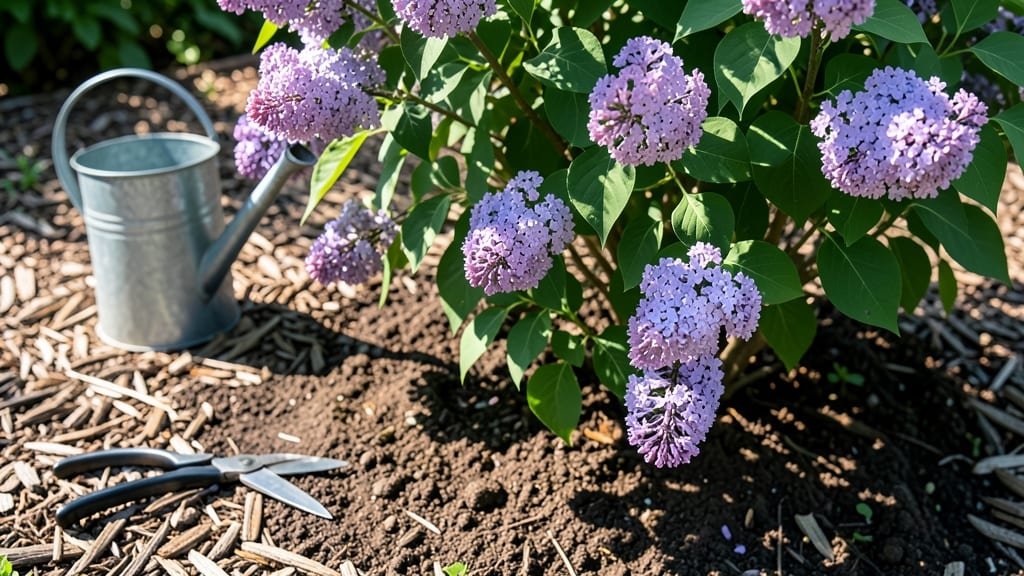
How to take care of lilac bushes means waking up to fragrant purple clouds every spring—if you prune right. ✨ I’ve turned my once-sparse lilacs into a neighborhood showstopper by mastering just three key cuts each year, and the secret isn’t complicated: timing and confidence. The biggest mistake? Pruning at the wrong time. Lilacs bloom on old wood, so cutting back after flowering (late May-June) keeps next year’s blooms lush. A 1/3 reduction of the oldest stems every year rejuvenates growth without sacrificing flowers. Even my first attempt—where I nearly hacked off the blooms—ended up with stronger stems by summer. By fall, you’ll see new shoots forming where you pruned, and those will burst into heavier blooms next spring. The fragrance alone makes it worth the effort, but the long-term payoff is a bush that thrives for decades with minimal work. Winter’s the only time to skip pruning—unless you’re in a harsh climate where protecting the base from snow buildup is critical. Here’s how to keep them thriving year-round.
📚 In This Guide
- What you need
- Instructions
- Tips and common mistakes
- Wrapping up and next steps
What you need
- ● Pruning shears – Sharp, bypass-style shears (3–6" blade length) for clean cuts.
- ● Loppers – For thicker branches (2–3" cutting capacity).
- ● Garden gloves – Heavy-duty, cut-resistant (e.g., 14" length, leather or synthetic blend).
- ● Disinfectant (70% isopropyl alcohol or bleach solution) – 1 part bleach to 9 parts water (for sterilizing tools).
- ● Compost or mulch – 2–3 inches of organic matter (e.g., shredded bark, aged leaves).
- ● Watering can or hose with adjustable nozzle – For deep, gentle watering (1–2 gallons per bush, as needed).
- ○ Fertilizer (optional but recommended) – Slow-release shrub fertilizer (10-10-10 NPK ratio) or compost tea.
- ● Hand pruners – For precision trimming of small stems.
- ● Saw (pruning or bow saw) – For thick, stubborn branches (4–6" blade).
- ● Plant food spray – Organic foliar feed (e.g., fish emulsion) for a nutrient boost.
- ● Soil test kit – To check pH (ideal range: 6.0–7.0 for lilacs).
- ● Mulch ring – To protect roots and retain moisture.
Step-by-Step care for thriving lilac bushes
Lilacs reward patience with decades of blooms—here’s how to keep yours vibrant and fragrant year after year.
🌱 Step 1: Feed and Water for Strong Growth
Lilacs thrive in well-draining soil with a neutral pH (6.5-7.0). In early spring, before buds swell, spread 2-3 inches of compost around the base and water deeply to settle it into the soil. This gives roots a nutrient boost without burning tender new growth. I like to use a balanced 10-10-10 fertilizer at half-strength in early spring and again after blooming.
Watering is key—lilacs hate soggy roots but need consistent moisture. Aim for 1-1.5 inches of water weekly, delivered at the base rather than overhead. You’ll know you’re on track when the top 6 inches of soil stay slightly moist but not saturated. Mulch with 2-3 inches of organic mulch (like shredded bark) to retain moisture and suppress weeds, but keep it 3 inches away from the trunk to prevent rot.
✂️ Step 2: Prune for Health and Abundant Blooms
Timing is everything—wait until just after flowering (late spring to early summer) to prune. This ensures next year’s blooms form on new wood. Start by removing dead, diseased, or crossing branches first, cutting back to the main stem or outward-growing bud. I always use clean, sharp pruners to make slices just outside the branch collar for the cleanest heal.
For shaping, focus on opening up the center of the bush to improve airflow. Lilacs bloom on old wood, so avoid heavy pruning—never cut back more than 1/3 of the plant’s height in one season. If your bush is overgrown, spread the pruning over 2-3 years to avoid shocking it. You’ll see fuller blooms within a season if you prune correctly.
☀️ Step 3: Protect and Maintain Year-Round
Lilacs tolerate full sun to partial shade, but too much shade reduces blooms. If your bush is in a shady spot, expect smaller, less fragrant flowers and more leggy growth. In hot climates, afternoon shade helps prevent leaf scorch. Watch for aphids or borers—early signs include sticky leaves or sawdust-like frass. Treat with neem oil or insecticidal soap if needed.
In late winter, before buds swell, give the bush a light trim to remove any winter-damaged branches. This prevents pests from hiding in dead wood. If your lilac stops blooming, it might be over-fertilized with nitrogen (which encourages leaves over flowers) or under-pruned. Adjust your approach the following year—lilacs respond well to consistent care.
⏰ Step 4: Plan for Long-Term Success
Lilacs can live for 50+ years with proper care, so invest in their longevity. Every 3-5 years, refresh the soil with compost and consider deep root feeding with a slow-release fertilizer. If your bush outgrows its space, transplant in early spring while dormant, amending the soil with organic matter to reduce shock.
Here’s the thing—lilacs bloom on second-year wood, so patience pays off. If you prune too aggressively, you’ll sacrifice next year’s flowers. Instead, think of each cut as an investment in future fragrance. With the right balance of sun, water, and pruning, your lilac will reward you with show-stopping blooms for decades.
Tips & tricks for perfect lilac care
These pro secrets will help you extend your lilac's blooming life and fragrance for decades to come.
Soil Science: The neutral pH (6.5-7.0) is non-negotiable for lilacs—test your soil before amending. If your soil is too acidic, mix in lime (about 5 pounds per 100 square feet) in early fall. I've seen lilacs struggle in clay-heavy soils, so if yours feels dense, incorporate sand or perlite to improve drainage. The goal is that 6-inch soil depth that stays moist but never soggy.
Pruning Precision: When you're removing those dead branches in Step 2, look for the branch collar—that swollen area where the branch meets the trunk. Cut just outside this collar at a 45-degree angle to prevent water from pooling. I've made the mistake of cutting too close to the trunk, which can create entry points for diseases. Also, never prune more than 1/3 of the plant's height in one season—this is where many gardeners go wrong and end up with leafless bushes.
Watering Wisdom: The 1-1.5 inches weekly guideline assumes average rainfall—adjust during droughts or heavy rains. I use a rain gauge to track moisture, and I've learned that morning watering (before 10 AM) reduces evaporation and fungal risks. For newly planted lilacs, water twice weekly for the first year to establish roots. The key is consistent moisture at the base, not overhead watering that can spread diseases.
Long-Term Investment: Every 3-5 years, consider a deep root feeding with a slow-release fertilizer. I've seen dramatic improvements in bloom quantity after this treatment. For transplanting, dig a hole twice as wide as the root ball but no deeper—this encourages roots to spread horizontally. Water thoroughly after transplanting to eliminate air pockets in the soil.
Pro Tips for Take Care Of Lilac Bushes
- These pro secrets will help you extend your lilac's blooming life and fragrance for decades to come.
- Soil Science: The neutral pH (6.5-7.0) is non-negotiable for lilacs—test your soil before amending.
- Pruning Precision: When you're removing those dead branches in Step 2, look for the branch collar—that swollen area where the branch meets the trunk.
Frequently asked questions
Got questions about keeping your lilac bushes thriving? Here are some of the most common concerns—plus expert tips to keep your fragrant favorites happy and blooming year after year!
When is the best time to prune lilac bushes for maximum blooms?
The ideal time to prune lilacs is right after they finish flowering in late spring or early summer. This ensures you don’t cut off next year’s buds, which form on last year’s growth. Avoid pruning in fall or winter, as cold weather can stress the plant. For heavy pruning, do it in stages over 2–3 years to avoid shocking the bush.
How often should I fertilize lilac bushes, and what’s the best type of fertilizer?
Lilacs are light feeders, so fertilize once a year in early spring (before new growth appears) with a balanced, slow-release fertilizer (like 10-10-10 or 5-10-5). Avoid high-nitrogen fertilizers, which promote leafy growth over flowers. Organic options like compost or bone meal also work well. Pro tip: Test your soil first—lilacs prefer slightly acidic to neutral soil (pH 6.0–7.0).
Why aren’t my lilac bushes blooming, even though they’re healthy-looking?
If your lilacs are leafy but skimp on flowers, it’s often due to over-pruning (cutting back into old wood), too much nitrogen, or poor sunlight. Lilacs need 6+ hours of full sun daily and minimal pruning of last year’s stems. Also, check for pests like borers or aphids, which can stress the plant. If the issue persists, consider rejuvenation pruning (cutting back ⅓ of the oldest stems annually).
Can lilac bushes survive in hot or cold climates? What’s the ideal temperature range?
Lilacs are hardy shrubs that thrive in USDA Zones 3–7, tolerating temps from -30°F to 90°F. In hot climates, provide afternoon shade and consistent watering to prevent stress. In cold regions, mulch around the base in winter to protect roots. Drought-tolerant once established, but young lilacs need 1–1.5 inches of water weekly during dry spells.
Are there any alternatives to lilacs with similar fragrance and low maintenance?
If lilacs seem high-maintenance, try these fragrant, low-fuss alternatives:
- Mock Orange (Philadelphus): Creamy-white blooms with intense fragrance; thrives in partial shade.
- Dwarf Lilac (Syringa meyeri): Compact, blooms earlier, and more disease-resistant.
- Deutzia: Delicate flowers, great for borders, and tolerates pruning well.
- Weigela: Vibrant blooms, fast-growing, and attracts pollinators.
All these shrubs require similar care (sun, well-drained soil) but may need less aggressive pruning.
Wrapping up and next steps
Caring for your lilac bushes is all about patience, timing, and a little TLC—and the rewards are well worth it! With the right pruning techniques, watering routine, and soil prep, you’ll enjoy stunning blooms and intoxicating fragrance for years to come.
Now that you’re armed with the secrets, grab those shears and get ready to transform your garden into a fragrant paradise. 🌸✨
Ready to take the next step? Start by marking your calendar for next year’s pruning schedule—your lilacs will thank you with even more vibrant displays!