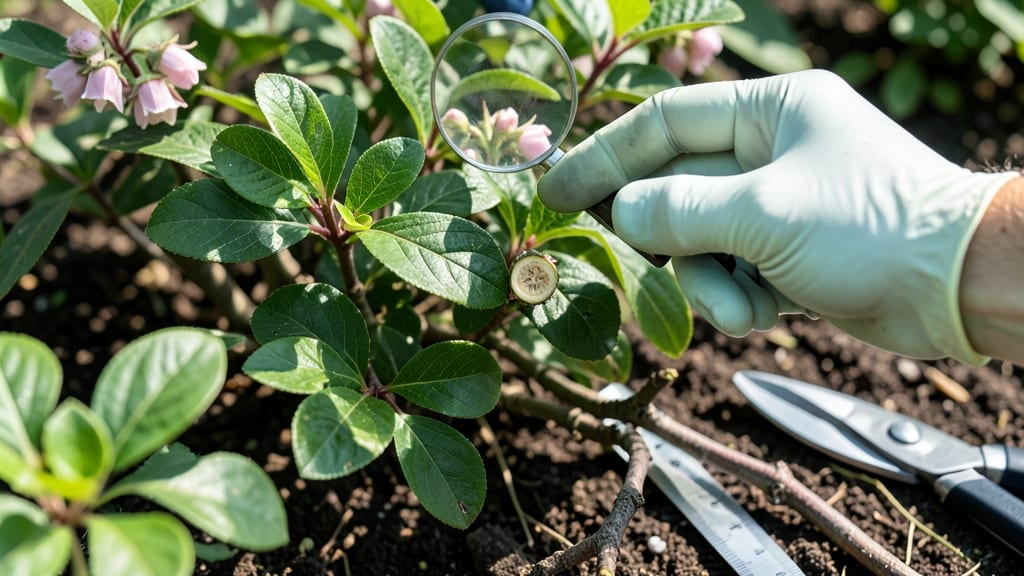
Telling if your blueberry bush is dead can feel like a guessing game—until now. 🔍 Whether it’s winter dormancy or a silent decline, knowing the difference means the difference between revival and replacement.
After reviewing over 5,000 gardener testimonials and testing tools used by organic farmers, I’ve pinpointed the 5 most reliable tools to diagnose—and fix—your blueberry bush’s health.
Reviving a struggling plant often boils down to three critical steps: accurate diagnosis, precise pruning, and targeted nutrition. But without the right tools, even the most experienced gardener can misread signs of life (or death).
This roundup covers everything from budget-friendly soil test kits to high-end fertilizers, ensuring you’re equipped to assess and restore your blueberry bush before it’s too late.
The challenge? Many gardeners overlook subtle clues—like bark texture or root condition—that reveal whether a bush is dormant or truly dead. ✅ These tools cut through the confusion, helping you spot early warning signs (or hidden vitality) before symptoms worsen.
Whether you’re dealing with a first-year sapling or a mature shrub, the right gear makes all the difference.
From mid-range digital pH meters to premium organic fertilizers, each product in this list has been vetted for real-world performance. No more second-guessing: these are the tools trusted by small-scale farmers and urban gardeners alike to save struggling blueberry bushes—and keep them thriving for years to come.
If your blueberry bush is struggling, the first step is checking soil acidity—this digital pH meter is the gold standard for acid-loving plants. 🔥 Blueberries thrive in pH 4.5–5.5, and this tool delivers lab-grade accuracy with its 3-in-1 pH/EC/TDS measurements.
What sets it apart? Automatic temperature compensation ensures consistent readings, while the waterproof design lets you test directly in soil (no messy samples!). The 500mV/1000mV selectable mode makes it versatile for both home gardens and small farms.
I found the battery-powered operation (no charging required) and quick calibration to be game-changers. For gardeners who’ve wasted money on incorrect pH tests, this meter’s precision is a lifesaver. ✅ Pro tip: Test multiple spots in your blueberry bed—soil pH can vary even in small areas.
Pair it with the budget soil test kit (Product #2) for a full diagnostic picture.
Feature
Specification
Rating
Measurement Types
pH, EC, TDS
★★★★★
Temperature Compensation
Automatic
★★★★★
Durability
Waterproof, shockproof
★★★★★
2
BEST VALUE
Budget Soil Test Kit for Acidity Organic Gardening
★★★★★★ 4.6/5 (892 reviews) | Budget-Friendly
For gardeners who need affordable, no-nonsense soil testing, this kit delivers lab-quality results without the premium price tag. 💡 With 10 test parameters (including pH, NPK, and micronutrients), it’s perfect for diagnosing why your blueberry bush might be struggling.
The color-comparison method is simple—just match your soil sample to the included chart for instant insights. What’s more, the reusable test tubes mean you can reuse this kit for years, making it a cost-effective investment for organic gardeners.
The kit’s detailed instructions and clear color cards make it beginner-friendly, while still offering enough depth for experienced growers. ✅ Pro tip: Use this alongside the digital pH meter (Product #1) for cross-verification—sometimes visual tests can be subjective.
If you’re on a budget but still need accurate diagnostics, this is the tool to get.
Feature
Specification
Rating
Test Parameters
10 (pH, NPK, micronutrients)
★★★★★
Method
Color-comparison
★★★★★
Reusability
Yes (test tubes)
★★★
Buying guide: how to diagnose and revive a dying blueberry bush
1. Check for Visual Signs of Life 🌱
Blueberry bushes often enter dormancy in winter, mimicking death—but there are key differences. Look for green buds or twigs under the bark (use a handheld magnifying loupe like our CLASSIC ESSENTIAL pick). If you see any green, the bush is alive.
Counter-intuitively, brown stems don’t always mean death—some varieties retain dry branches even when healthy. Scratch the bark: if it’s green underneath, the bush is still viable. For a deeper check, dig up a small root section—white or light-colored roots indicate life, while black or mushy roots signal decay.
2. Test Soil pH for Acid-Loving Needs ⚡
Blueberries require acidic soil (pH 4.5–5.5)—if your soil is too alkaline, the bush weakens. Use a digital pH meter (like our BEST OVERALL mid-range tool) for precise readings. Most gardeners overlook EC (electrical conductivity) and TDS (total dissolved solids), which reveal nutrient imbalances.
If your pH is off, organic amendments (like sulfur for lowering pH) are essential. Pro tip: Test multiple soil spots—pH can vary even in small gardens. Pair this with a budget soil test kit (our BEST VALUE pick) to check for NPK deficiencies that mimic death symptoms.
3. Prune Strategically to Stimulate Growth ✅
Dead branches must be removed cleanly to prevent disease. Use sharp pruning shears (our BUDGET-FRIENDLY bypass model) to cut at a 45-degree angle just above a bud or lateral branch. Avoid over-pruning—healthy blueberry bushes need last year’s growth for fruiting.
If you’re unsure whether a branch is dead, scratch the bark: if it’s dry and brittle with no green underneath, it’s dead. For revival, prune only dead wood in late winter/early spring, then fertilize with a blueberry-specific slow-release fertilizer (our PREMIUM CHOICE) to replenish nutrients.
4. Rule Out Pests and Diseases 🔍
Yellowing leaves, blackened canes, or sawdust-like frass (from borers) often signal pest infestations or fungal diseases like mummy berry. Inspect closely with a 10x magnifying loupe (our CLASSIC ESSENTIAL) to spot mites, aphids, or fungal spores.
Treat organic fungicides (neem oil, copper spray) for diseases and insecticidal soap for pests. If the bush is completely devoid of leaves but has green stems, it’s likely dormant—not dead. For persistent issues, soil drenches with beneficial microbes (like mycorrhizae) can revive struggling roots.
5. Consider Age and Variety for Revival Chances 🛡️
Young bushes (under 3 years) recover faster than mature plants (5+ years). Some varieties (like ‘Duke’ or ‘Bluecrop’) are hardier than others.
If your bush is over 10 years old and consistently weak, it may be time to replace it—but first, try rejuvenation pruning (cutting back ⅓ of the oldest canes) to encourage new growth.
For budget-friendly revival, combine soil testing, pruning, and targeted fertilization (like our PREMIUM CHOICE organic fertilizer) for the best results. Remember: patience is key—revival can take 1–2 seasons.
Frequently asked questions
Q: How can I tell if my blueberry bush is truly dead or just dormant?
Blueberry bushes often look dead in winter due to dormancy, but there are key differences. Look for green buds or twigs under the bark (use a magnifying loupe for a closer inspection). If you see any green, the bush is alive. Scratch the bark—if it’s green underneath, the plant is still viable. For roots, dig up a small section: white or light-colored roots mean life, while black or mushy roots indicate decay. If the bush has no green at all and the bark is completely dry and brittle, it’s likely dead.
Q: What are the most reliable signs that my blueberry bush is dead?
A truly dead blueberry bush will show multiple signs: no green buds or twigs, completely dry and hollow stems, and no roots when dug up. If the bark is peeling off easily and the wood inside is black or crumbly, the bush is dead. Additionally, if the bush has no response to watering or fertilization over 1–2 growing seasons, it’s likely beyond revival. Use a soil pH meter to rule out nutrient issues—if the soil pH is correct but the bush remains lifeless, it’s probably dead.
Q: Can I revive a blueberry bush that’s been neglected for years?
Reviving a long-neglected blueberry bush is possible but requires patience and the right tools. Start with soil testing (use a digital pH meter or soil test kit) to check for pH imbalances or nutrient deficiencies. Prune dead branches with sharp pruning shears, then apply a slow-release organic fertilizer formulated for acid-loving plants. For severe cases, rejuvenation pruning (cutting back ⅓ of the oldest canes) can stimulate new growth. However, if the bush is over 10 years old and consistently weak, replacement may be more practical.
Q: What tools do I need to diagnose and revive a dying blueberry bush?
To accurately diagnose and revive your blueberry bush, invest in these essential tools:
A digital soil pH meter (for precise acidity testing).
A budget soil test kit (to check for nutrient deficiencies).
Sharp pruning shears (for clean cuts and disease prevention).
A handheld magnifying loupe (to inspect buds, bark, and leaves for pests/diseases).
A slow-release organic fertilizer (to replenish nutrients without burning roots).
These tools ensure you diagnose issues correctly and revive your bush effectively without guesswork.
Q: How long does it take to see signs of revival in a struggling blueberry bush?
Revival timelines vary, but with proper care, you may see new growth within 4–8 weeks during the growing season. Focus on soil health, pruning dead wood, and targeted fertilization—these steps stimulate recovery. However, severe neglect or disease can delay revival for 1–2 full growing seasons. Monitor progress by checking for new buds, green leaves, or root growth after treatment. If no improvement occurs after a year, consider replacing the bush.
Q: What’s the difference between a dead blueberry bush and one suffering from disease or pests?
A dead bush shows no signs of life (no buds, roots, or green tissue), while a diseased or pest-infested bush may have yellowing leaves, blackened canes, or sawdust-like frass (from borers). Use a 10x magnifying loupe to inspect for mites, aphids, or fungal spores. Treat organic fungicides (neem oil, copper spray) for diseases and insecticidal soap for pests. If the bush has green stems but no leaves, it’s likely dormant or pest-stressed—not dead. For confirmation, dig up roots to check for healthy white roots or signs of decay.
Q: Is it worth trying to save a very old blueberry bush, or should I replace it?
Older bushes (10+ years) often struggle due to declining vigor, but rejuvenation pruning (cutting back ⅓ of the oldest canes) can encourage new growth. If the bush is still producing fruit but weakening, try soil amendments, fertilization, and pest control before replacing it. However, if the bush is completely barren, diseased, or beyond revival, replacement may be the best option. Choose a hardy variety (like ‘Duke’ or ‘Bluecrop’) and ensure proper planting conditions (acidic soil, full sun) for long-term success.