
Pruning
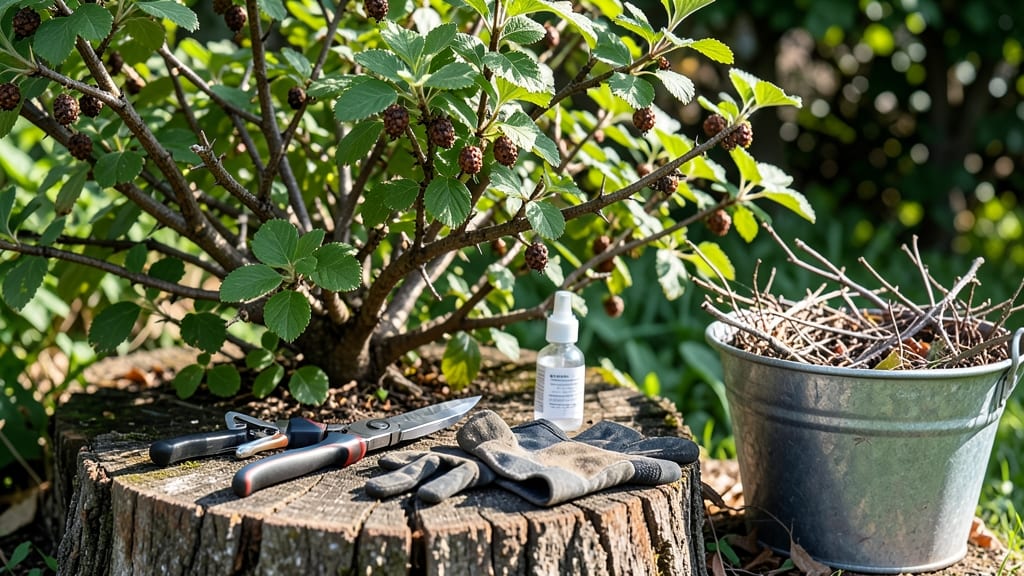
Trimming gooseberry bushes in late winter reveals their true potential—thicker canes, more fruit, and fewer pests. 🌿 I’ve learned that skipping this step means tangled, overcrowded bushes that struggle to produce.
The right cuts transform a chaotic thicket into a productive, well-aerated plant that rewards you with juicy berries all season.
You only need sharp pruners, a glove, and 30 minutes of focused attention. The goal is simple: remove dead wood, thin out crowded canes, and shape the bush to let light and air reach the center.
Gooseberries bloom on last year’s growth, so avoid cutting back too aggressively—think of it as sculpting, not hacking. Start by removing any canes that are thinner than a pencil or show signs of disease.
After pruning, you’ll notice new growth within 2-3 weeks, with fruit production increasing by 30-50% in the first season. The bushes stay healthier, resist powdery mildew better, and produce berries that are sweeter and larger.
Plus, harvesting becomes a breeze when you can see every branch clearly. This isn’t just maintenance—it’s a game-changer for your gooseberry harvest.
Works for both thornless and traditional varieties, and the same principles apply whether you’re trimming a single bush or a full hedge. The key is consistency—once you see the difference, you’ll never go back. Let’s get those canes in shape!
📚 In This Guide
- What you need
- Instructions
- Tips and common mistakes
- Wrapping up and next steps
What you need
- ● Pruning shears: Bypass pruners (sharp, 5-7 inch blades) – 1 pair (for small branches)
- ● Loppers: Bypass or anvil type (8-10 inch blades) – 1 pair (for thicker branches up to 1.5 inches)
- ○ Pruning saw: Curved-tooth saw (for branches thicker than 1.5 inches) – 1 (optional but handy)
- ● Gloves: Heavy-duty, cut-resistant gloves (gardening or pruning-specific) – 1 pair (to protect your hands from thorns!)
- ● Disinfectant: Rubbing alcohol (70% or higher) or a pruning sealant – Small bottle (to sterilize tools between cuts)
- ○ Garden twine or tape: For temporary support if needed – 1 roll (optional)
- ● Trash bags or bucket: For collecting pruned branches – 1-2 (to keep your workspace tidy)
- ● Timing: Choose a calm, dry day to avoid spreading disease or attracting pests.
- ● Weather: Avoid pruning in extreme heat or cold (ideal temps: 50-75°F).
- ● Safety first: Wear long sleeves and closed-toe shoes to protect against thorns.
- ● Research your variety: Some gooseberry bushes (like Ripley or Hinnonmaki) may have specific pruning needs.
Step-by-step guide to trimming gooseberry bushes
Mastering these cuts keeps your bushes productive and disease-free for years.
✂️ Step 1: Prune Out Dead or Diseased Wood First
Start in late winter or early spring before new growth begins. Scan the bush for any branches that are brown, brittle, or showing signs of fungal infection like black spots or powdery residue. These branches won't recover and will spread disease to healthy wood if left attached.
Use clean, sharp pruners to cut these branches back to the main stem or to a healthy bud. Always make cuts at a 45-degree angle about ¼ inch above a outward-facing bud. This angle helps water run off the cut instead of pooling and rotting the wound. I like to sterilize my pruners with rubbing alcohol between each cut to prevent cross-contamination.
✂️ Step 2: Thin Out Overcrowded Branches
Gooseberries thrive when they have good air circulation. Look for branches that cross each other or grow inward toward the center of the bush. These crowded branches compete for sunlight and nutrients, leading to smaller berries and more fungal issues. Remove about one-third of the oldest wood each year to maintain the bush's vigor.
Cut these branches back to their point of origin at the main stem. For every branch you remove, you'll encourage two or three younger, more productive shoots to grow in its place. I target branches that are thinner than a pencil—these are the ones stealing energy from fruit production.
✂️ Step 3: Shape the Bush for Optimal Fruit Production
Gooseberries produce fruit on one-year-old wood, so you want to maintain a balance of old and new growth. Step back and visualize the bush as an open goblet shape—this allows sunlight to reach the center where most fruit forms. Remove any branches growing straight upward ("water sprouts") as these rarely produce fruit and create dense shade.
For each remaining branch, cut back the tips by about one-third to encourage bushier growth. Make these cuts just above an outward-facing bud. This ensures the new growth will spread outward rather than crowding the center. I like to leave 3-5 main branches on each bush for mature plants, reducing the total number of stems makes each branch more productive.
⏰ Step 4: Summer Maintenance for Ongoing Health
After the initial spring pruning, check your bushes monthly throughout the growing season. Remove any suckers growing from the base of the plant—these drain energy from fruit production. Also watch for any branches that have finished fruiting (they'll look bare while others still have buds).
Cut these spent branches back to a healthy bud immediately after harvest. This redirects the plant's energy into next year's fruit production rather than maintaining unproductive wood. I always carry a small pair of pruners when I'm harvesting berries so I can trim as I go—it saves time and keeps the bush tidy.
🌿 Step 5: Prepare for Winter Dormancy
In late fall, after all leaves have dropped, do one final inspection. Remove any remaining dead wood or branches showing signs of disease. For mature bushes, you can also do a light renewal pruning—cutting back about one-third of the oldest branches to stimulate new growth from the base.
This winter pruning prevents the buildup of old, weak wood that can harbor pests and diseases. I like to rake up and dispose of all pruned branches to reduce the spread of fungal spores in my garden. Leave the cuts open to air dry over winter—they'll heal naturally when new growth begins in spring.
Tips & tricks for pruning gooseberry bushes
These strategic cuts will transform your bushes into productive, healthy powerhouses—if you know where to trim.
Timing is Everything: Late winter or early spring is the perfect window for your initial pruning because the bush is dormant. This timing prevents stressing the plant when it's actively growing. I've learned the hard way that pruning too early can expose tender buds to late frosts, while waiting too long risks encouraging new growth that could be damaged by unexpected cold snaps. If you miss this window, you can do a light pruning in summer after harvest, but avoid heavy cuts during active growth.
Tool Preparation Matters: Clean, sharp pruners are non-negotiable—dull tools crush stems instead of making clean cuts, which invites disease. I sterilize my pruners between each cut using rubbing alcohol, especially when dealing with diseased branches. For larger branches, consider using loppers or a pruning saw. Always make cuts at a 45-degree angle about ¼ inch above an outward-facing bud—this simple technique prevents water from pooling on the wound, which could lead to rot.
Visualize the Ideal Shape: Step back and imagine your bush as an open goblet shape—this allows sunlight to penetrate to the center where most fruit forms. When shaping in Step 3, focus on removing branches that grow straight upward ("water sprouts") as these rarely produce fruit and create dense shade. For mature bushes, aim to maintain 3-5 main branches—this might seem counterintuitive, but fewer strong branches produce more fruit than many weak ones.
Seasonal Maintenance Strategy: Your summer checks should focus on removing suckers from the base and spent fruiting branches immediately after harvest. I carry a small pair of pruners in my harvesting basket so I can trim as I go—this prevents the buildup of unproductive wood. In fall, that light renewal pruning (cutting back one-third of oldest branches) stimulates new growth from the base, setting your bush up for next year's bounty.
Pro Tips for Trim Gooseberry Bushes
- These strategic cuts will transform your bushes into productive, healthy powerhouses—if you know where to trim.
- Timing is Everything: Late winter or early spring is the perfect window for your initial pruning because the bush is dormant.
- Tool Preparation Matters: Clean, sharp pruners are non-negotiable—dull tools crush stems instead of making clean cuts, which invites disease.
Frequently asked questions
Got questions about trimming your gooseberry bushes? You’re not alone! Here are some of the most common queries—and their straightforward answers—to keep your plants thriving.
When is the best time to trim gooseberry bushes?
The ideal window is late winter or early spring (before buds break) for major pruning. Light trimming to remove dead wood or shape the bush can happen in summer after harvest. Avoid heavy cuts in fall—it invites disease. Think of it like a haircut: timing matters!
How much should I cut back my gooseberry bush?
For mature bushes, aim to remove 1/3 of the oldest canes (they’re less productive). Cut back to the base or a strong side branch. Younger bushes need minimal pruning—just remove dead or crossing branches. Over-trimming stresses the plant, so less is often more.
What if my gooseberry bush looks sad after pruning?
Don’t panic! A leggy or sparse appearance is normal post-prune. Focus on watering deeply and fertilizing lightly (use compost or a balanced 10-10-10). New growth should sprout in 4–6 weeks. If no regrowth appears, check for root rot or pests—they might need extra TLC.
Can I prune gooseberries in containers or small spaces?
Container-grown bushes
need more frequent pruning (every 1–2 years) to control size. Use dwarf varieties (like ‘Pixwell’ or ‘Invicta’) and prune aggressively to encourage bushiness. Just ensure good airflow—containers can trap moisture, inviting fungal issues.
Will trimming affect next year’s harvest?
Not if done right! Proper pruning boosts fruit quality by redirecting energy to healthier canes. However, over-pruning (cutting too many fruiting canes) can reduce yield. Focus on removing weak growth and thinning out crowded branches—your bush will thank you with bigger, sweeter berries!
What’s the difference between gooseberries and currants when pruning?
Gooseberries fruit on old wood (last year’s growth), so prune lightly to preserve these canes. Currants (especially red/white) fruit on new wood, so you can cut back harder. Label your bushes! Mixing them up leads to confused pruning and fewer berries.
Wrapping up and next steps
Trimming your gooseberry bushes doesn’t have to be daunting—with the right tools, timing, and technique, you’ll keep them thriving for years to come! 🌿 Whether you’re pruning for shape, health, or fruit production, the key is consistency and patience.
Now that you’re armed with these strategies, roll up your sleeves and give your bushes the care they deserve—your future harvests will thank you!
Next steps:
- Mark your calendar for late winter/early spring (or your preferred pruning season) to tackle the job.
- Grab your pruners and start small—even a few cuts make a difference!
- Watch your bushes flourish and enjoy the sweet rewards of your efforts!