
Pruning
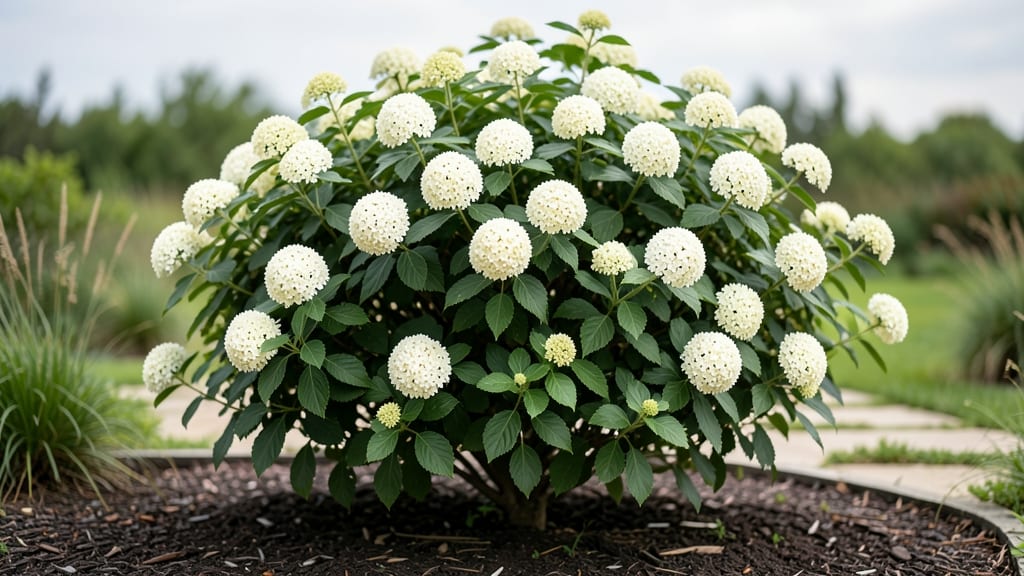
Those images of snowball bush blooms year-round make them the star of any garden. 🌿 I’ve pruned mine for years, and the secret to their perfect, rounded shape isn’t complicated—just timing and a few strategic cuts.
The best time to prune is right after flowering, when you can see the new growth emerging. This keeps the bush compact while encouraging fresh blooms for next season. Overgrown branches? Trim them back by a third to maintain that lush, cloud-like form.
You’ll end up with a bush so full it looks like a living snowball, even when it’s not in bloom. Pair it with hostas for shade or lavender for contrast, and you’ve got a low-maintenance showstopper that thrives in partial sun.
Works in borders, hedges, or as a standalone specimen—just avoid heavy pruning in late summer, or you’ll sacrifice next year’s flowers.
📚 In This Guide
- What you need
- Instructions
- Tips and common mistakes
- Wrapping up and next steps
What you need
- ● Pruning shears: Sharp, bypass-style shears (4-6" blades) for clean cuts. Required for all cuts.
- ○ Loppers: Heavy-duty (8-10" blades) for thicker branches (1-2" diameter). Optional but helpful for mature bushes.
- ● Pruning saw: Curved-tooth saw for branches thicker than 2" in diameter. Only needed if your bush is well-established.
- ● Garden gloves: Heavy-duty, cut-resistant gloves (e.g., Fellex or Warrior brand) to protect hands from thorns.
- ● Disinfectant: 70% isopropyl alcohol or a pruning sealant (e.g., Tanglefoot Pruning Seal) to prevent disease spread.
- ● Marking twine or flags: Colored twine or small plant tags to label cuts for reference.
- ○ Bucket or tarp: For collecting pruned branches (optional but practical).
- ● Timing: Prune in late winter or early spring (before new growth starts) for best results.
- ● Weather check: Choose a dry, overcast day to avoid stressing the plant.
- ● Safety gear: Safety glasses (if using a saw) and long sleeves to protect from thorns.
- ● Plant health assessment: Inspect the bush for dead, diseased, or crossing branches before starting.
Step-by-Step instructions for pruning snowball bushes
Here's how to keep your snowball bushes looking like cloud bursts all season long.
✂️ Step 1: Time Your Pruning for Optimal Growth
Prune your snowball bush—Viburnum opulus—right after it finishes blooming in late spring (typically May or June). This ensures you remove spent flowers while leaving next year's buds intact. I always wait until after the last frost when new growth has hardened off. Pruning too early risks cutting off next season's blossoms, while waiting too long lets the plant waste energy on seed production.
Look for last year's flower clusters—they'll appear as small, dried-up spheres at the branch tips. These are your target for removal. Healthy growth appears as fresh green shoots emerging from the plant's base or along branches. If you see no new growth by mid-May, your bush may need rejuvenation pruning (we'll cover that in Step 3).
✂️ Step 2: Shape and Thin for Airflow and Light
Start by removing dead, diseased, or crossing branches first—these compete for nutrients and block airflow. Cut these back to the main stem or to a healthy outward-facing bud. I use clean, sharp bypass pruners to make 45-degree cuts just above a bud or branch collar. Never leave stubs; these invite rot and weak growth.
Next, thin out overcrowded branches to improve light penetration. Aim for an open, vase-like shape with the center fully accessible. Remove up to one-third of the oldest wood to encourage new growth. You'll see lighter, airier branches after this step—this is your goal. If your bush looks too dense now, it will reward you with more abundant blooms next year.
✂️ Step 3: Rejuvenate Older Bushes with Strategic Cuts
If your snowball bush hasn't bloomed well in years, it may need rejuvenation pruning. In early spring (March), cut back one-third of the oldest stems to the ground. Choose the thickest, most woody branches first. This drastic cut sounds scary, but it forces the bush to send up vigorous new shoots from the base. You'll see pale green growth emerging within weeks—this is your plant's way of starting fresh.
For mature bushes over 10 years old, spread the rejuvenation over two years. Year one: cut back one-third of the oldest stems. Year two: prune another one-third. This prevents shock and keeps your bush producing flowers. After rejuvenation, your bush may take 1-2 years to fully recover, but the results—a youthful, bushy plant covered in blooms—are worth the wait.
✂️ Step 4: Clean Up and Protect for Winter
After pruning, remove all debris from the base of the plant. This prevents fungal diseases like powdery mildew from overwintering. I rake up all fallen leaves and spent blooms, then apply a 2-inch layer of mulch around the base (but not touching the stem). This insulates roots and retains moisture. Use organic mulch like shredded bark or wood chips—it breaks down slowly and improves soil over time.
In late fall (November), give your snowball bush a light trim to remove any dead or damaged branches that appeared over winter. This keeps the plant tidy and reduces stress. If you notice brown, crispy edges on leaves, your bush may have winter burn—this is common in exposed locations. Next year, consider winter protection like a burlap wrap or evergreen boughs piled around the base for extra insulation.
⏰ Step 5: Maintain Year-Round for Perfect Blooms
Water your snowball bush deeply once a week during dry spells (when the top 2 inches of soil feel dry). These plants thrive in moist, well-draining soil but hate soggy roots. If your bush looks wilting or droopy, it's a sign of underwatering or root rot—both are fixable with adjusted care. Fertilize in early spring with a balanced, slow-release fertilizer (10-10-10) to support new growth.
Watch for aphids or spider mites on new growth—these pests suck sap and weaken blooms. Spray with neem oil or insecticidal soap if you see sticky residue (honeydew) or fine webbing on leaves. A healthy snowball bush should have glossy, dark green leaves and no signs of pests. With proper pruning and care, your bush will reward you with cloud-like blooms from late spring to summer, year after year.
Tips & tricks for perfect snowball bush pruning
These practical insights will help you transform your snowball bush into a lush, blooming masterpiece with minimal effort.
Timing Secret: The late spring timing in Step 1 is non-negotiable for vibrant blooms. I've learned this the hard way—pruning too early in May can accidentally remove next year's flower buds, which form after blooming. Check your local frost dates and wait until all risk of frost has passed. If your bush hasn't bloomed yet by mid-May, it's likely still forming buds, so hold off on pruning.
Cutting Technique: When making those 45-degree cuts in Step 2, visualize the branch collar—the swollen area where the branch meets the stem. Cut just above this collar, never leaving a stub. I use my thumb to guide the pruners at the right angle—this ensures clean cuts that heal properly. For stubborn branches, I make a small notch first to prevent tearing. This precision prevents disease entry points and promotes faster healing.
Rejuvenation Strategy: The two-year rejuvenation plan in Step 3 works wonders for older bushes, but timing is everything. If you're doing this for the first time, start with the thickest, oldest stems first—they've had the longest to accumulate wood and are least likely to produce flowers. I mark these branches with colored tape before cutting to avoid confusion. After the first year's cuts, you'll notice new shoots emerging from the base within 4-6 weeks—this is your plant's natural response to the shock treatment.
Seasonal Maintenance: The 2-inch mulch layer in Step 4 is your winter insurance policy. I always use shredded hardwood mulch because it breaks down slowly and improves soil structure over time. For extra protection in harsh winters, I add a 3-inch layer of straw mulch on top of the shredded bark. This double layer prevents temperature fluctuations that cause winter burn. In early spring, I remove the straw layer first to allow sunlight to warm the soil.
Pro Tips for Images Of Snowball Bush
- These practical insights will help you transform your snowball bush into a lush, blooming masterpiece with minimal effort.
- Timing Secret: The late spring timing in Step 1 is non-negotiable for vibrant blooms.
- Cutting Technique: When making those 45-degree cuts in Step 2, visualize the branch collar—the swollen area where the branch meets the stem.
Frequently asked questions
Got questions about keeping your snowball bush (Viburnum opulus) looking its fluffiest? Here are some common ones—plus quick answers to help you prune like a pro!
When is the best time to prune a snowball bush for maximum blooms?
The ideal time is late winter or early spring (just before new growth starts). This ensures you remove dead wood while preserving next year’s flower buds. Avoid pruning in fall—it can stimulate tender growth that’s vulnerable to frost. For light shaping, you can also trim after blooming, but skip heavy cuts then!
Can I prune a snowball bush in summer? What’s the risk?
You can, but it’s not ideal. Summer pruning removes current season’s flower buds, so you’ll sacrifice next year’s snowball blooms. If you must, only trim for safety or shape—avoid heavy cuts. The best approach? Wait for late winter/early spring to boost blooms and health.
How do I fix a snowball bush that’s getting too leggy or sparse?
Leggy or sparse bushes need rejuvenation pruning. In late winter, cut back ⅓ of the oldest stems to the ground (space cuts out over 2–3 years). This encourages new, vigorous growth from the base. Thin out crossing or weak branches too—aim for an open center for airflow and light.
What if my snowball bush isn’t blooming? Could pruning be the problem?
Pruning too late (after June) or over-pruning can delay blooms. If your bush isn’t flowering, check:
- Age: Young bushes (under 3 years) may not bloom yet.
- Sunlight: Needs 6+ hours of sun daily.
- Soil: Ensure it’s well-draining (they hate soggy roots!).
- Fertilizer: A balanced, slow-release fertilizer in early spring can help.
Are there alternatives to snowball bush for winter interest?
Yes! If you love fluffy, winter-friendly shrubs, try:
- Dwarf Fothergilla (Fothergilla gardenii) – White bottlebrush blooms + fiery fall foliage.
- Abelia (Abelia x grandiflora) – Fragrant white flowers + glossy leaves.
- Weigela (Weigela florida) – Trumpet-shaped blooms in pink/purple.
- Winter Daphnes (Daphne odora) – Fragrant spring flowers + evergreen leaves.
Wrapping up and next steps
From understanding the best tools and timing to mastering technique-specific tips, you now have everything needed to keep your snowball bush looking fluffy and vibrant year-round! 🌸 Pruning isn’t just about aesthetics—it’s about health, growth, and longevity for your plant.
Whether you’re a beginner or a seasoned gardener, these steps will help you transform your snowball bush into a stunning focal point.
Ready to take action? Grab your tools, schedule that pruning session, and watch your snowball bush thrive! For extra inspiration, browse stunning snowball bush images to visualize your own pruning masterpiece. Happy gardening! ✂️🌿