
Shrubs
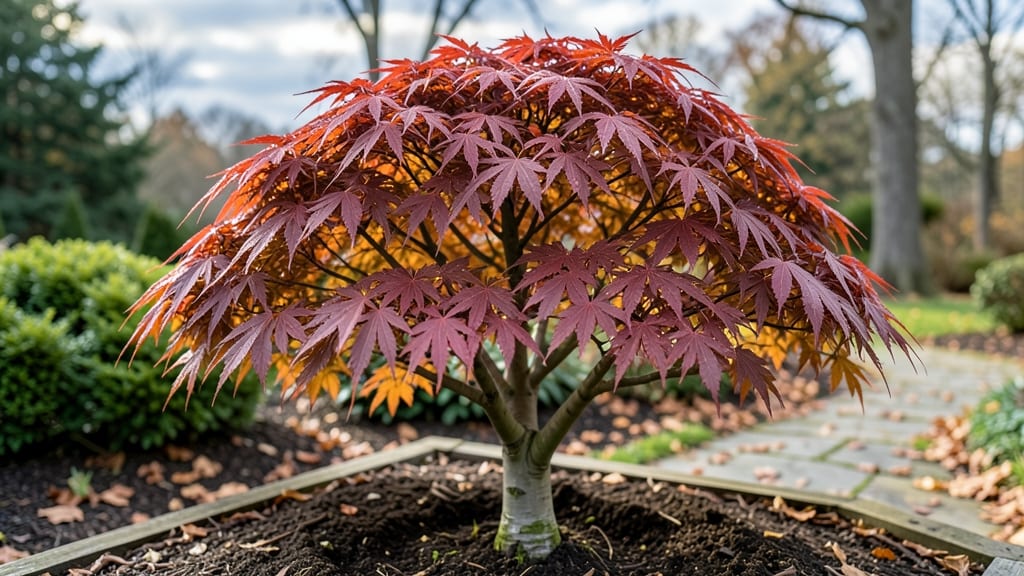
Growing a Japanese red maple bush transforms your yard into a four-season masterpiece—deep crimson foliage in summer, fiery orange in fall, and even winter interest with its striking bark. 🌿 I planted mine last spring, and now it's the centerpiece of my shade garden, thriving where other plants struggle.
The secret? This cold-hardy champion handles everything from scorching summers to brutal winters with ease, as long as you match its needs.
Start with well-draining soil and full sun to partial shade—this bush won't tolerate soggy roots or deep shade. Mulch heavily in winter to protect roots from freeze-thaw cycles, and water deeply but infrequently once established.
Prune in late winter to shape it, but avoid heavy cuts that remove too much foliage at once. The key is patience: it grows slowly but steadily, developing that iconic layered shape over time.
You'll love how it handles pests and diseases better than many maples—just watch for scale insects or powdery mildew in humid summers. A quick spray of horticultural oil or neem oil keeps them at bay.
The real magic happens seasonally: spring's fresh green leaves, summer's deep burgundy, fall's fiery hues, and winter's peeling bark all make it a standout. Even in small spaces, this bush delivers maximum impact.
Perfect for urban gardens, small yards, or as a striking focal point in larger landscapes. With the right care, your Japanese red maple will outlive you—and stay stunning through every season. Here's how to make it thrive where you live.
📚 In This Guide
- What you need
- Instructions
- Tips and common mistakes
- Wrapping up and next steps
What you need
- ● Japanese Red Maple Bush: 1–3 plants (size depends on preference: bare-root, container-grown (3–5 gallons), or mature bush (5+ years))
- ○ Optional: Variety-specific care notes (e.g., 'Bloodgood' or 'Shishigashira' may have slight differences)
- ● Planting Site: Full sun to partial shade (6+ hours of sunlight daily for vibrant foliage)
- ● Well-draining soil (amend with compost if clay-heavy)
- ● Space: 10–15 feet between plants (or 20+ feet for large varieties like 'Fireworks')
- ● Soil Amendments: Organic matter: 3–5 gallons of compost or aged manure per planting hole
- ● Mulch: 2–3 inches of wood chips or pine straw (keep 6 inches away from trunk)
- ● Tools: Shovel or trowel (for digging)
- ● Garden gloves (to protect hands from thorns on some varieties!)
- ● Watering can or hose with nozzle (for gentle watering)
- ○ Optional: Pruners (for shaping after planting)
- ● Fertilizer: Slow-release granular fertilizer (10-10-10 ratio) or organic options like fish emulsion
- ● Erosion control: Jute netting or straw mulch for sloped areas
- ● Seasonal care: Winter mulch (extra 4–6 inches) for young plants in Zone 5 or colder
- ● Support: Stakes or cages (if planting in windy areas)
Step-by-step instructions for planting and caring for a Japanese red maple bush
Here's how to give your Japanese red maple the perfect start for vibrant color all year.
🌱 Step 1: Choose and Prepare the Planting Site
Japanese red maples thrive in partial shade to full sun, but afternoon shade protects their delicate foliage in hot climates. I always test the spot first by observing how much sunlight it gets—4-6 hours of direct sun is ideal. The soil should drain well but retain moisture, so if your yard has heavy clay, amend with 2-3 inches of compost mixed into the top 12 inches of soil.
Dig a hole twice as wide as the root ball but only as deep. The top of the root ball should sit 1-2 inches above ground level—this prevents water from pooling around the trunk. Loosen the roots gently if they're circling in the container, but don't trim them unless they're severely bound.
🪴 Step 2: Plant the Japanese Red Maple with Proper Spacing
Place the tree in the hole and backfill with native soil, tamping down lightly every 2-3 inches to eliminate air pockets. I like to add a handful of slow-release fertilizer (10-10-10) to the bottom of the hole before backfilling—this gives roots a nutrient boost without burning tender foliage. Water deeply right after planting to settle the soil and remove any air gaps.
Space multiple maples 15-25 feet apart to allow for mature spread. Japanese red maples grow 15-25 feet tall and wide, so crowding leads to weak branches and poor air circulation. Mulch the base with 2-3 inches of organic mulch (like wood chips), keeping it 3 inches away from the trunk to prevent rot.
☀️ Step 3: Water and Maintain for First-Year Establishment
Water newly planted maples deeply 2-3 times per week for the first year, ensuring the soil stays moist but not soggy. You'll know it's right when the top 2 inches of soil feel damp to touch. Overwatering causes root rot, while underwatering stresses the tree and dulls its signature red foliage. I set a timer to check moisture levels—consistency is key.
Fertilize lightly in early spring with a balanced, slow-release fertilizer (like 10-10-10) to support new growth. Avoid high-nitrogen fertilizers—they promote leafy growth at the expense of vibrant fall color. Prune only to remove dead or crossing branches in late winter or early spring, before buds swell. Never prune in fall, as it encourages late-season growth that won't harden off before winter.
✂️ Step 4: Prune and Care for Long-Term Health
After the first year, water only during drought conditions—mature Japanese red maples are surprisingly drought-tolerant once established. I check soil moisture by probing with a finger; if it's dry 4 inches down, that's when I water deeply. Prune annually in late winter to remove dead, diseased, or weak branches, cutting just outside the branch collar to promote healing.
Watch for signs of stress like yellowing leaves or leaf drop—these often mean the tree isn't getting enough water or sunlight. Japanese red maples are cold-hardy down to -25°F, but young trees benefit from winter mulch (add 4-6 inches of mulch around the base in late fall). This protects roots from freeze-thaw cycles and keeps the soil insulated.
Tips & tricks for perfect Japanese red maple planting
Between us, the first year makes or breaks your Japanese red maple's vibrant future. Here's what nobody tells you about giving it the best possible start.
Sunlight Strategy: That 4-6 hours of direct sun is non-negotiable, but timing matters just as much. In hot climates, I always position the tree so it gets morning sun and afternoon shade—this prevents leaf scorch while still giving it enough light for that signature red color. Watch the sun's path through your yard for a week first, especially if you're planting in late spring or summer.
Root Ball Rescue: When you remove the Japanese red maple from its container, you'll often see roots circling tightly. Instead of cutting them (which stresses the tree), gently loosen them with your fingers or a fork. This encourages outward root growth, which helps the tree establish itself faster. If roots are severely bound, you can make 2-3 vertical cuts to break the circle, but only as a last resort.
Mulch Magic: That 2-3 inches of organic mulch isn't just decoration—it's a game-changer. I like to use wood chips because they break down slowly and improve soil structure over time. The key is keeping it 3 inches away from the trunk to prevent rot. In winter, add an extra 2-3 inches of mulch to protect young roots from freeze-thaw cycles, but don't pile it against the trunk.
Watering Wisdom: The 2-3 times per week rule works, but what you're really aiming for is consistent moisture. I test soil moisture by sticking my finger 2 inches down—if it feels dry, that's when to water. Overwatering is just as bad as underwatering, so always let the top inch dry out between waterings. A soaker hose makes this easier by delivering water directly to the roots without wetting the foliage.
Pro Tips for Japanese Red Maple Bush
- Between us, the first year makes or breaks your Japanese red maple's vibrant future.
- Sunlight Strategy: That 4-6 hours of direct sun is non-negotiable, but timing matters just as much.
- Root Ball Rescue: When you remove the Japanese red maple from its container, you'll often see roots circling tightly.
Frequently asked questions
Got questions about growing and caring for your Japanese Red Maple Bush? You’re not alone! Here are some of the most common queries—plus expert answers to keep your shrub thriving year-round.
How fast does a Japanese Red Maple Bush grow?
A young Japanese Red Maple typically grows 6–12 inches per year, though mature specimens may slow to 3–6 inches annually. Patience is key—these shrubs take 5–10 years to reach their full height (15–25 feet). For faster growth, ensure well-draining soil and regular watering during dry spells.
Is this shrub truly cold-hardy? Can it survive winter?
Japanese Red Maples (like Acer palmatum ‘Bloodgood’) thrive in USDA Zones 5–8, enduring temperatures as low as -20°F (-29°C). Mulch heavily in late fall to protect roots, and avoid pruning in winter—wait until early spring to trim dead branches.
When is the best time to prune my Japanese Red Maple?
Prune in late winter or early spring (before new growth) to shape the bush and remove dead wood. Avoid summer pruning—it stresses the plant and can lead to powdery mildew. Use sterilized tools and make cuts just above a bud or branch collar for clean healing.
What are some alternatives if my climate is too hot or dry?
If your area exceeds Zone 8 or has poor drainage, consider these drought-tolerant maples:
- Acer palmatum ‘Dragon’s Blood’ – Smaller, vibrant red foliage.
- Acer rubrum ‘Autumn Flame’ – Native red maple with similar color.
- Cotinus ‘Royal Purple’ – Purple foliage, heat-resistant.
Why are my Japanese Red Maple leaves turning yellow or brown?
Yellowing leaves often signal overwatering or poor drainage. Brown edges? Likely underwatering or salt buildup (from tap water). Check for aphids or spider mites (common pests)—spray with neem oil if needed. Adjust care based on soil moisture (stick your finger 2 inches deep; water if dry).
Wrapping up and next steps
The Japanese Red Maple bush is a stunning, low-maintenance addition to any garden, offering vibrant foliage and resilience in cold climates. With the right care—like well-draining soil, proper pruning, and seasonal attention—you’ll enjoy its breathtaking colors for years to come. 🌿
Ready to transform your outdoor space? Start by planting your sapling this fall or grooming your existing bush—then sit back and admire the natural beauty it brings! For more tips, explore our shrub care resources or connect with fellow gardeners in local plant communities.