
Shrubs
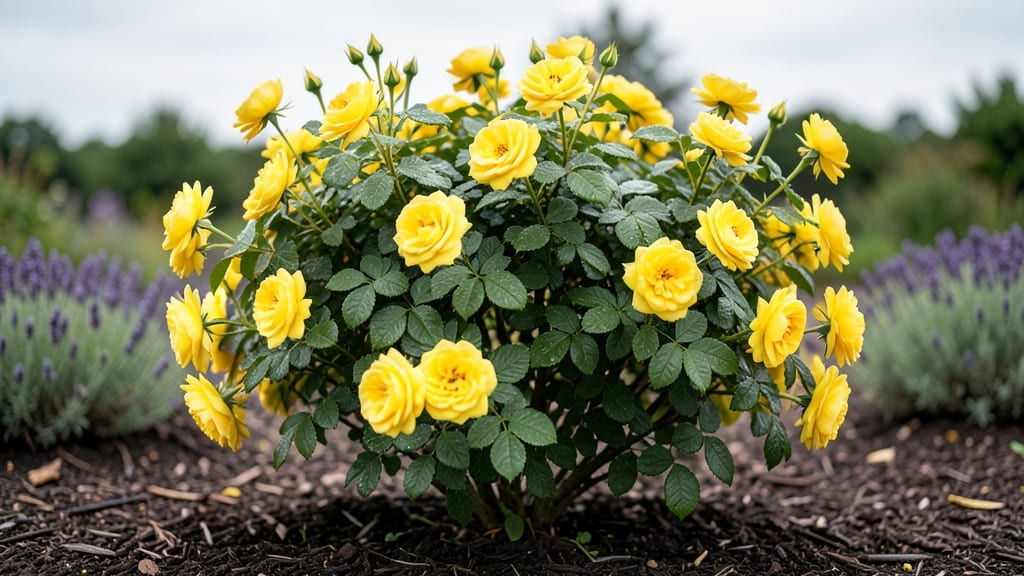
Growing a Japanese yellow rose bush means waking up to a garden that smells like sunshine and honey. 🌸 These roses aren’t just pretty—they’re the kind that make neighbors pause mid-stride, inhaling deeply as they pass.
The secret to their fragrance-packed perfection lies in a few simple but critical choices: the right spot, soil that drains like a dream, and pruning that keeps them blooming like clockwork all season.
Start with full sun—at least 6 hours daily—and soil that’s rich but never soggy. Water deeply once a week (more in summer heat), then let the top inch dry out before repeating.
Prune in late winter to shape the bush and remove dead wood, and you’ll see bold, golden blooms by spring that last well into fall. The key? Don’t overwater, and never skip the pruning—it’s what keeps these beauties thriving through all four seasons.
📚 In This Guide
- What you need
- Instructions
- Tips and common mistakes
- Wrapping up and next steps
What you need
- ● Japanese Yellow Rose Bush (Rosa foetida or similar hybrid) – 1-2 bare-root or potted plants (ensure they’re disease-resistant and healthy).
- ● Well-draining soil mix – 50% native soil + 50% compost or organic matter (avoid heavy clay).
- ● Organic mulch – 2-3 inches of wood chips, straw, or bark (to retain moisture and suppress weeds).
- ● Balanced fertilizer – 10-10-10 NPK ratio (use sparingly, ~1 tbsp per plant at planting time).
- ● Slow-release rose fertilizer – 1-2 lbs per plant (for seasonal feeding).
- ● Pruning shears – Sharp, clean, and sterilized (for shaping and maintenance).
- ● Garden gloves – Heavy-duty to protect from thorns.
- ● Watering can or hose with a gentle nozzle – For deep, consistent watering.
- ● Trowel or spade – For digging planting holes (12-18 inches deep).
- ● Stakes or trellis – 4-6 ft tall (to support climbing varieties).
- ● Rose food (organic or synthetic) – For blooming boosts (follow package instructions).
- ● Pest control (neem oil or insecticidal soap) – For aphids, spider mites, or Japanese beetles.
- ○ Drip irrigation system (optional) – For automated, efficient watering.
- ● Sunhat & sunscreen – Because gardening in full sun can be intense! ☀️
Step-by-Step instructions for planting and caring for a Japanese yellow rose bush
Here's how to grow a fragrant, healthy Japanese yellow rose bush that thrives year after year.
🪴 Step 1: Choose the Perfect Location for Your Rose Bush
Japanese yellow roses demand full sun—at least 6-8 hours of direct sunlight daily. I always pick the sunniest spot in my garden because these roses reward that light with abundant, fragrant blooms. Avoid areas where trees or buildings cast afternoon shade, as roses need that late-day sun to set their buds for next year's flowers.
Check the soil drainage before planting. Stick a shovel into the ground—if water pools after 10 minutes, amend the soil with 2-3 inches of compost or plant in a raised bed. Yellow roses hate soggy roots, which can lead to fungal diseases that rot stems overnight. If your yard has heavy clay soil, consider planting in a large container with well-draining potting mix instead.
🌱 Step 2: Plant Your Rose Bush at the Right Time and Depth
Plant your Japanese yellow rose bush in early spring, after the last frost date in your area. This gives roots time to establish before summer heat. Dig a hole twice as wide as the root ball but only as deep—the graft union (the bump near the base of the stem) should sit 1-2 inches above soil level. Burying it too deep suffocates the plant, while planting too shallow exposes roots to drying winds.
Loosen the roots gently if they're circling the root ball. Place the bush in the hole and backfill with native soil mixed with 1 part compost. Water deeply to settle the soil, then create a 2-inch-high berm around the base to hold moisture. Mulch with 2-3 inches of organic mulch (like shredded bark) to protect roots from temperature swings and retain moisture.
💧 Step 3: Water Deeply and Establish a Consistent Routine
Water your new rose bush deeply 2-3 times per week for the first month, ensuring the soil is moist 6 inches down. You'll know it's right when water drains through the bottom of the hole—no puddles, just even dampness. Overwatering is the #1 killer of young roses, so always check the soil before watering: stick your finger in 2 inches deep. If it's dry, water; if it's still moist, wait.
After the first month, reduce to once a week during dry spells, but always water in the early morning. This gives foliage time to dry before evening, reducing fungal risks. Japanese yellow roses are drought-tolerant once established, but they'll reward consistent moisture with bigger, more fragrant blooms. I swear by a drip irrigation system for my roses—it delivers water right at the roots without wetting leaves.
☀️ Step 4: Feed and Prune for Continuous Blooms
Fertilize your rose bush every 4-6 weeks during the growing season (spring through summer) with a balanced rose fertilizer (look for 10-10-10 or similar). I apply mine in early spring, then again in mid-summer after the first flush of blooms. Avoid high-nitrogen fertilizers—they promote leafy growth at the expense of flowers. Always water before and after fertilizing to prevent root burn.
Prune your Japanese yellow rose bush in late winter or early spring, before new growth starts. Remove dead, diseased, or crossing branches first, then cut back last year's growth by one-third. This encourages bushier growth and more blooms. I always sterilize my pruners with rubbing alcohol between cuts to prevent spreading disease. For fragrant varieties like this, prune just above an outward-facing bud to shape the bush and encourage airflow.
✂️ Step 5: Protect and Maintain for Year-Round Beauty
Watch for black spot (dark spots on leaves) or powdery mildew (white fuzzy patches). At the first sign, spray with neem oil or a fungicide labeled for roses. I've found that preventative care—like removing fallen leaves and debris—keeps my roses healthier than reactive treatments. In fall, apply a 2-inch layer of mulch around the base to insulate roots during winter.
Deadhead spent blooms regularly to encourage more flowers. Pinch off wilted blooms just above a set of 5 healthy leaves—this redirects the plant's energy into new growth instead of seed production. By mid-summer, you'll see a second flush of blooms if you've been consistent. Japanese yellow roses are repeat bloomers, but they need this care to perform their best. A little effort now means months of fragrant yellow blooms with minimal maintenance.
Tips & tricks for perfect Japanese yellow rose bush care
These simple tricks will help you grow a fragrant, healthy Japanese yellow rose bush that blooms beautifully all season long.
Sunlight Strategy: If your garden doesn't get full sun, consider placing your rose bush in a sunny spot near a south-facing wall or fence. The reflected heat can provide an extra 1-2 hours of warmth that helps these sun-loving plants thrive. I've seen roses in partial shade still produce blooms, but the fragrance and flower size will be noticeably reduced compared to their full-sun counterparts.
Soil Prep Secret: Before planting, mix in a handful of perlite or coarse sand with your compost to improve drainage, especially if you have heavy clay soil. This creates tiny air pockets that prevent waterlogging while still providing the moisture roses need. I've had great success with a 50/50 mix of native soil, compost, and perlite for container-grown roses.
Watering Wisdom: The 6-inch deep watering in Step 3 is crucial—it encourages roots to grow downward where they'll find more stable moisture. To check depth easily, use a long screwdriver or dowel marked with measurements. For container roses, water until you see drainage from the bottom holes, which ensures thorough hydration.
Pruning Pro Tip: When pruning in late winter, look for the strongest canes—these are usually the ones with the most buds and the thickest stems. Keep 3-5 of these main stems and prune back to an outward-facing bud to create an open center that allows air circulation. This simple technique prevents fungal diseases while encouraging more blooms.
Pro Tips for Japanese Yellow Rose Bush
- These simple tricks will help you grow a fragrant, healthy Japanese yellow rose bush that blooms beautifully all season long.
- Sunlight Strategy: If your garden doesn't get full sun, consider placing your rose bush in a sunny spot near a south-facing wall or fence.
- Soil Prep Secret: Before planting, mix in a handful of perlite or coarse sand with your compost to improve drainage, especially if you have heavy clay soil.
Frequently asked questions
Got questions about your Japanese Yellow Rose Bush? You’re not alone! Here are some of the most common queries—and their answers—to help you grow a thriving, fragrant beauty year after year.
How do I know if my Japanese Yellow Rose Bush is healthy?
A healthy Kerria japonica has vibrant green leaves, glossy stems, and abundant yellow blooms (even in winter!). Watch for no wilting, yellowing leaves (unless seasonal), or blackened buds—these could signal overwatering, pests, or fungal issues. Prune dead or diseased branches promptly to keep it flourishing!
When is the best time to prune my Japanese Yellow Rose Bush?
Prune late winter or early spring (just before new growth) to shape the bush and encourage fresh blooms. Avoid heavy pruning in fall—it can stress the plant before winter. Light trimming to remove dead wood is fine in late summer, but skip heavy cuts then to prevent stunted growth.
Why isn’t my Japanese Yellow Rose Bush blooming?
If your bush is leaves-only, it might need more sunlight (6+ hours daily), balanced fertilizer (high in phosphorus), or a pruning reset. Over-fertilizing with nitrogen can also reduce flowers—opt for a rose-specific feed instead. Patience pays off: Young bushes may take 2–3 years to bloom reliably!
What pests or diseases should I watch for?
Common threats include:
- Japanese beetles: Handpick or use neem oil to protect blooms.
- Powdery mildew: Improve airflow and spray with baking soda solution (1 tsp per quart of water).
- Black spot: Remove infected leaves and apply fungicide early.
Can I grow a Japanese Yellow Rose Bush in a container?
Choose a large pot (15+ gallons) with drainage holes and use well-draining soil. Dwarf varieties (like ‘Picta’ or ‘Pleniflora’) thrive in containers. Repot every 2–3 years and winter-proof by moving indoors or wrapping the pot in burlap for cold snaps.
How cold-hardy is this bush, and how do I protect it in winter?
Japanese Yellow Rose Bushes are USDA zones 4–9 hardy, but young plants or harsh winters may need help. Mulch the base with 3–4 inches of organic mulch and wrap the crown with burlap if temps drop below 10°F. Avoid pruning until spring—dormant buds are tougher!
Wrapping up and next steps
Growing a Japanese Yellow Rose bush is a rewarding journey that brings beauty, fragrance, and seasonal charm to your garden. With the right care—sunlight, well-draining soil, and consistent watering—you’ll enjoy vibrant blooms and a sweet scent for years to come.
Whether you’re a beginner or a seasoned gardener, this fragrant shrub is a must-have for adding elegance to any outdoor space. 🌸
Ready to transform your garden? Start by selecting the perfect spot and gather your supplies—then, dig in and watch your Japanese Yellow Rose bush thrive! For extra inspiration, explore pruning tips or companion plants to enhance its growth.