
Pruning
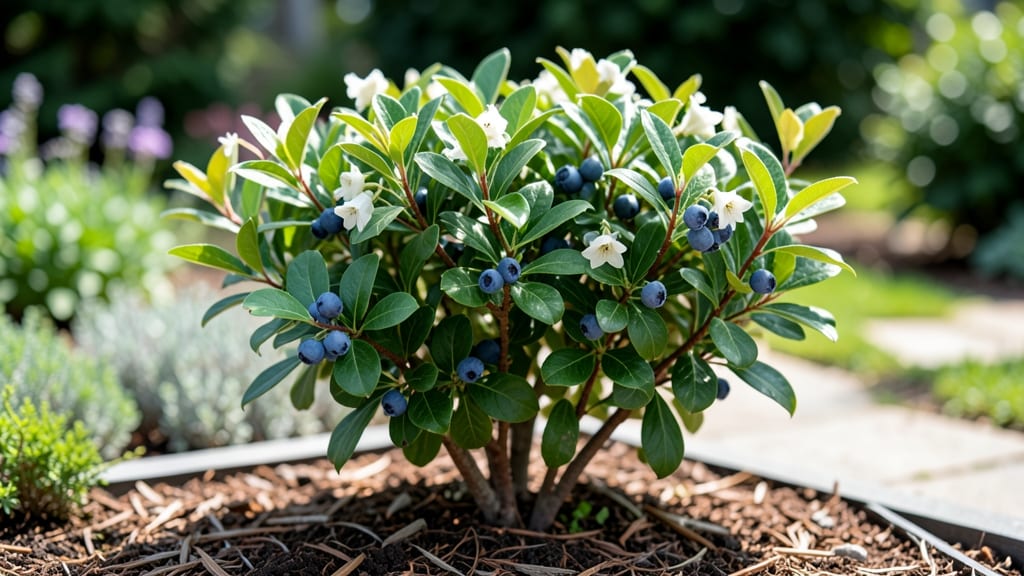
My Jubilee blueberry bush now produces fruit from late spring through early fall—all thanks to a few key pruning tricks I learned the hard way. 🌱 These bushes thrive when you treat them like the productive powerhouses they are, not just another shrub in the yard.
The secret lies in understanding when to cut back, how much to leave, and why timing matters more than most gardeners realize.
You'll need well-draining soil, 6+ hours of sunlight daily, and patience for the first two years while the bush establishes. The real magic happens in late winter when you prune out last year's wood—this encourages new growth that bears fruit all season.
Jubilee bushes handle pruning better than most varieties, so don't be shy with the shears.
By summer, you'll be harvesting sweet, firm berries that stay on the bush longer than most varieties. The plants stay compact, produce for decades, and handle our zone 5 winters like champions. Just watch for spider mites in dry spells and keep mulch around the base to retain moisture.
Works equally well in garden beds, containers (with proper drainage), or as a hedgerow. The same principles apply whether you're growing one bush or a whole row. Here's how to get started without the common mistakes that waste years of potential harvests.
📚 In This Guide
- What you need
- Instructions
- Tips and common mistakes
- Wrapping up and next steps
What you need
- ● Pruning shears – Bypass pruners (sharp, 6-8" blades) for clean cuts. Dull blades crush stems—avoid this!
- ● Loppers – For thicker branches (1.5-2" diameter), with long handles (24-30") for leverage.
- ● Hand pruners – Anvil-style (budget-friendly) or bypass (premium) for precision trimming.
- ● Garden gloves – Heavy-duty, cut-resistant (e.g., Mechanix Wear) to protect hands from thorns and debris.
- ● Disinfectant – 70% isopropyl alcohol or bleach solution (1 part bleach:9 parts water) to sterilize tools between cuts.
- ● Rake or leaf blower – To clear fallen leaves/debris from the bush base.
- ● Mulch – 2-3 inches of organic mulch (pine straw, wood chips, or shredded leaves) to retain moisture and suppress weeds.
- ● Watering can or hose – With a gentle spray nozzle for post-pruning hydration.
- ● Ladder or step stool – For reaching taller branches (if your bush exceeds 6 feet).
- ● Plant tie or twine – To support weak or damaged branches temporarily.
- ○ Pruning sealant – Optional for large cuts (e.g., Tree Seal Tape) to prevent disease entry.
- ● Notebook & pen – To sketch your bush’s shape or track pruning progress.
- ● Safety glasses – If working in dusty or windy conditions.
Instructions for pruning Jubilee blueberry bushes for maximum yield
Here's how I keep my Jubilee bushes thriving year after year—with pruning that boosts fruit and keeps plants healthy.
✂️ Step 1: Prune in Late Winter Before Bud Break
Start your pruning 4-6 weeks before your last frost date, when the plant is still dormant. This gives the bush time to heal before spring growth begins. I look for the first signs of swelling buds—that's my cue to grab the pruners. Jubilee bushes respond best when pruned during this window because it encourages new, vigorous growth.
Remove any dead, diseased, or crossing branches first. These are easy to spot—they're brown, brittle, or growing inward toward the center. Cut them back to the main stem or to a healthy outward-facing bud. I always sterilize my pruners with rubbing alcohol between cuts to prevent spreading any potential infections.
🌿 Step 2: Thin Out Overcrowded Branches
Next, focus on thinning the canopy to improve airflow and sunlight penetration. Jubilee bushes produce fruit on 1-year-old wood, so I never cut back more than 1/3 of the plant's total growth in one year. Look for branches that are too close together or rubbing against each other—these compete for nutrients and reduce fruit quality.
Select the strongest, most productive branches to keep. You'll notice these have thicker stems and more buds. Remove weaker branches by cutting them back to the main stem or a healthy lateral branch. This opens up the center of the bush, which prevents fungal diseases like botrytis from taking hold in damp, shaded areas.
☀️ Step 3: Shape for Optimal Sunlight Exposure
Step back and assess the bush's overall shape. Jubilee blueberries need 6-8 hours of sunlight daily, so I aim for an open, vase-like structure. This means the center should be less dense than the outer edges. If the bush looks too bushy, I prune the inner branches more aggressively to let light reach the center.
Focus on removing any branches growing straight upward—these rarely produce fruit and create a crowded, unbalanced look. Instead, encourage horizontal growth by cutting back these vertical shoots to a lateral branch or bud. You'll see the bush develop a more natural, spreading shape that maximizes fruit production.
⏰ Step 4: Summer Pruning for Ongoing Health
After the initial winter pruning, keep an eye on your Jubilee bush throughout the growing season. In late June or early July, when the plant has finished flowering but before new growth hardens off, do a light pruning to remove any water sprouts—those are the fast-growing, vertical shoots that pop up along the stems.
These water sprouts steal energy from fruit production, so I snip them off at the base. I also remove any branches that show signs of disease or pest damage, like yellowing leaves or holes from insects. This keeps the plant focused on producing high-quality berries rather than repairing damage.
✂️ Step 5: Post-Harvest Cleanup
Once you've harvested all the ripe berries in late summer or early fall, do a final cleanup. Remove any dead or dying branches, as well as any suckers growing from the base of the plant. These suckers drain energy from the main bush and don't contribute to fruit production.
I also rake up any fallen leaves or debris around the base of the plant to reduce overwintering pests and diseases. A light layer of 2-3 inches of mulch (like pine straw or wood chips) helps protect the roots from freezing temperatures while keeping the soil moist. This sets the stage for another productive season next year.
Tips & tricks for pruning Jubilee blueberry bushes
These simple strategies will help you maximize your Jubilee blueberry harvest while keeping your bushes healthy and productive.
Timing is Everything: The 4-6 week window before your last frost date is critical because it allows the bush to heal before spring growth begins. I check for swelling buds as my signal—this means the plant is waking up but hasn't broken dormancy yet. If you prune too early, you risk exposing the plant to late frosts; if you wait too long, you'll be cutting back new growth that could have produced fruit. Confession: I skipped this timing once and ended up with stunted growth that year.
Branch Selection Strategy: When thinning in Step 2, focus on branches that show these three signs: thicker stems, more buds, and outward growth. I use my thumb to test stem thickness—if it's pencil-sized or thicker, that's a keeper. For the 1/3 rule, I actually measure the bush's total length first, then divide by three to know my maximum cut. This prevents over-pruning, which stresses the plant and reduces fruit production.
Sunlight Shape Secret: The open vase shape isn't just about looks—it's about maximizing those crucial 6-8 hours of sunlight. I visualize the bush like an umbrella: the outer edges should be dense with foliage, while the center should have enough space for air to circulate. Here's what I learned the hard way: if you leave too many branches in the center, you'll end up with small, tart berries because the inner fruit gets shaded and doesn't ripen properly.
Seasonal Pruning Calendar: Mark these dates on your calendar: late June/early July for summer pruning and late summer/early fall for post-harvest cleanup. For summer pruning, I set a reminder for July 1st each year as my safety net. The water sprouts grow surprisingly fast—sometimes within just a few weeks—and if left unchecked, they can reduce your harvest by up to 30%. That's why I make it a habit to check my bushes every two weeks during growing season.
Pro Tips for Jubilee Blueberry Bush
- These simple strategies will help you maximize your Jubilee blueberry harvest while keeping your bushes healthy and productive.
- Timing is Everything: The 4-6 week window before your last frost date is critical because it allows the bush to heal before spring growth begins.
- Branch Selection Strategy: When thinning in Step 2, focus on branches that show these three signs: thicker stems, more buds, and outward growth.
Frequently asked questions
Got questions about your Jubilee Blueberry Bush? You’re not alone!
Whether you’re a first-time grower or a seasoned gardener, these answers will help you keep your bush thriving year-round.
How often should I prune a Jubilee Blueberry Bush?
Prune your Jubilee Blueberry Bush once a year—ideally in late winter or early spring (before new growth starts). This keeps the plant healthy, encourages fruit production, and maintains its shape. Avoid pruning in fall, as it can stimulate tender growth vulnerable to frost. Pro tip: Never remove more than ⅓ of the plant’s wood in a single pruning session.
When is the best time to harvest Jubilee Blueberries?
Harvest your Jubilee Blueberries when they’re deep blue and fully plump, usually between June and August, depending on your climate. They should easily detach from the stem with a gentle tug. If left too long, they’ll soften and attract birds! Pro tip: Pick in the morning for the sweetest flavor and best storage life.
What if my Jubilee Blueberry Bush isn’t producing berries?
Lack of berries often stems from poor pruning, insufficient sunlight, or young age. Jubilee bushes typically take 2–3 years to bear fruit. Ensure it gets 6+ hours of sun daily and prune correctly. If older and still barren, check for pests, disease, or soil pH (4.5–5.5 for blueberries). Adjust care and monitor for improvements!
Can I grow a Jubilee Blueberry Bush in a pot?
Yes! Jubilee Blueberries thrive in large containers (15+ gallons) with well-draining soil and acidic fertilizer. Place the pot in full sun and water consistently—potted plants dry out faster. Pro tip: Use a self-watering pot or mulch to retain moisture. Just remember: container-grown bushes may produce smaller yields than in-ground plants.
Are Jubilee Blueberries self-pollinating?
Yes! Jubilee Blueberries are self-fruitful, meaning you don’t need another bush for pollination. However, planting a second variety nearby can boost yields by attracting more pollinators. If you’re growing just one bush, focus on proper pruning, watering, and soil care to maximize production.
What should I do if my Jubilee Blueberry Bush leaves turn yellow?
Yellow leaves often signal overwatering, nutrient deficiency, or pH issues. Check the soil—it should be moist but not soggy. Test the pH (blueberries love 4.5–5.5); amend with sulfur if too alkaline. Yellowing can also indicate iron chlorosis or root rot. Prune affected branches and adjust care to revive your bush!
Wrapping up and next steps
Growing a thriving Jubilee blueberry bush is all about balance—pruning at the right time, using the right tools, and giving your plant the love it deserves. With these smart trimming tips, you’ll enjoy a year-round harvest of sweet, juicy berries while keeping your bush healthy and productive. 🌱✨
Ready to take the next step? Start by scheduling your first pruning session this fall—your future blueberry feasts will thank you! And don’t forget to mark your calendar for spring maintenance to keep your Jubilee bush in peak shape.