
Pruning
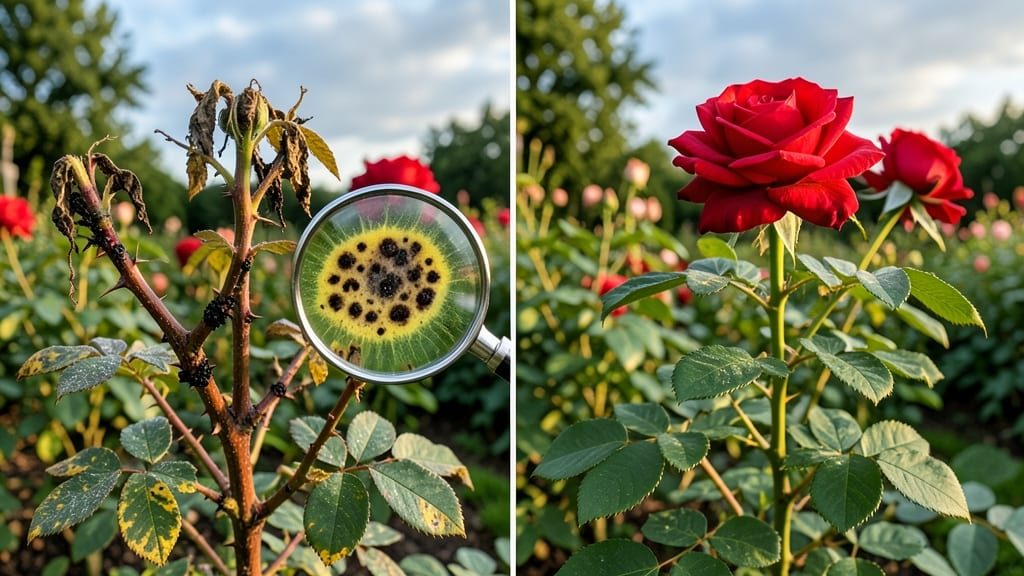
Your knockout rose bush problems might be fixable with just three targeted tweaks—no drastic measures needed. I’ve nursed back more than my share of sad-looking roses, and the solution almost always comes down to water, soil, or timing.
The good news? These bushes are tougher than they look, and with the right approach, you can revive them faster than you think.
Most issues boil down to overwatering (the #1 killer), nutrient burnout from last season, or pests hiding in plain sight. I’ve seen black spots turn into lush foliage just by adjusting the watering schedule and adding a balanced fertilizer—no fancy tools required.
The key is spotting the early warning signs before the problem spirals out of control.
By the end of this, you’ll know exactly how to diagnose the issue, whether it’s yellowing leaves, stunted growth, or fewer blooms than expected. The fixes are simple: prune correctly, feed the roots, and keep an eye out for hungry insects.
Trust me, your roses will thank you with bold, repeat blooms all season long.
Works for any knockout variety—whether you’re dealing with a single bush or a whole hedge. Let’s get those stems strong and those blooms popping again!
Root Causes Behind Rose Struggles
Understanding why your Knockout rose bush (Rosa 'Radrazz') is underperforming starts with identifying the hidden triggers behind its distress. These hardy roses are bred for resilience, but even they face challenges—often tied to environmental stress, cultural mismatches, or unseen pests.
Let’s break down the science behind the most common culprits, so you can diagnose and fix the issue before it worsens.
Knockout roses thrive in well-draining, slightly acidic soil (pH 6.0–6.5), but when roots become root-bound or suffocate in compacted soil, they struggle to absorb water and nutrients. Here’s why it happens:
- Root Competition: If planted too close to other plants, trees, or structures, roots compete for water, oxygen, and nutrients, leading to stunted growth and leaf yellowing (chlorosis). - Compacted Soil: Heavy foot traffic, clay, or poor organic matter reduce aeration, causing roots to suffocate.
This triggers wilting, leaf drop, and reduced blooms—even in drought-tolerant varieties like Knockouts. - Improper Planting Depth: Burying the graft union (the swollen bump near the base) or planting too deep strangles roots, preventing them from accessing moisture.
💡 Pro Tip: Test your soil’s drainage by digging a 12-inch hole—if water pools after 6 hours, amend with compost or sand to improve airflow. For root-bound bushes, gentle root pruning (trimming congested roots by 1/3) can revive growth.
Knockout roses are drought-tolerant once established, but inconsistent watering creates osmotic stress—a physiological disorder where roots struggle to uptake water efficiently. Here’s the breakdown:
- Underwatering: Leads to wilting, crispy edges, and leaf scorch (brown, papery leaves). Roots shrink and die back, reducing the bush’s ability to support blooms. - Overwatering: Soggy soil drowns roots, cutting off oxygen and inviting root rot (a fungal infection that turns roots black and mushy).
Yellow leaves with green veins are a classic sign. - Inconsistent Moisture: Alternating between dry spells and heavy watering confuses roots, causing blossom drop and weak stems.
✨ Fix It: Water deeply 1–2 times per week (1–1.5 inches per session) rather than frequent shallow drinks. Use drip irrigation to deliver water at the root zone, avoiding leaf wetness that spreads disease.
Knockout roses love full sun (6+ hours daily), but extreme conditions—whether scorching heat or sudden cold snaps—can shock them into decline.
- Heat Stress: Temperatures above 90°F (32°C) cause leaf burn (bleached or brown patches) and bud blast (unopened buds blacken and drop).
High heat also increases transpiration, drying out the plant faster than roots can replenish water. - Cold Damage: Late frosts or temperatures below 20°F (-7°C) can kill new growth, buds, and even canes, leading to sparse blooms the following season. - Windburn: Strong winds desiccate leaves, causing brown, papery edges and stunted growth.
Young canes may split or crack under stress.
🌡️ Solution: Provide afternoon shade in extreme heat (use shade cloth if needed) and mulch heavily (3–4 inches) to regulate soil temperature. For cold snaps, wrap canes with burlap or use frost blankets to protect buds.
Even Knockout roses—known for their disease resistance—can fall prey to pests and pathogens when conditions are right. Here’s what’s likely lurking:
| Problem | Cause | Signs to Watch For |
|---|---|---|
| Japanese Beetles | Adult beetles skeletonize leaves, while grubs feed on roots. | Chewed leaves, honeydew, sawdust-like frass. |
| Spider Mites | Dry, hot conditions trigger these tiny pests to suck plant sap. | Yellow stippling, fine webbing on undersides. |
| Black Spot | Fungal disease (Diplocarpon rosae) thrives in humid, shady spots. | Black spots with yellow halos, defoliation. |
| Powdery Mildew | Fungal growth (Sphaerotheca pannosa) appears in poor airflow. | White, powdery coating on leaves/buds. |
| Cane Borers | Larvae tunnel into canes, weakening structure. | Sawdust-like frass, oozing sap, wilting canes. |
🔥 Quick Action: For pests, neem oil or insecticidal soap works on contact. For diseases, prune infected leaves immediately and apply fungicide (copper-based or sulfur) preventatively. Improve airflow by spacing plants 3–4 feet apart.
Knockout roses need balanced nutrition, but imbalances—whether too little or too much—can stall growth and blooms.
- Nitrogen Deficiency (🟢): Leaves turn yellow (chlorosis) starting at the base, stems weaken, and blooms shrink.
This often happens in sandy or overly acidic soil. - Phosphorus Deficiency (🔴): Purple or red tinges on leaves, slow root growth, and fewer blooms signal low phosphorus (critical for flowering). - Potassium Deficiency (🟡): Yellowing leaf edges (but green veins) and weak stems occur when potassium is lacking—essential for disease resistance and cold hardiness. - Over-Fertilizing: Excess salts from too much fertilizer burn roots, causing leaf scorch, wilting, and stunted growth.
Knockouts are light feeders—overdoing it stresses them.
💪 Fix It: Test soil every 2–3 years and amend with balanced rose fertilizer (10-10-10) in early spring. Avoid high-nitrogen lawn fertilizers, which promote leafy growth at the expense of blooms.
Even Knockout roses—self-cleaning and low-maintenance—can suffer if pruned at the wrong time or too aggressively.
- Pruning Too Late: Cutting back after early fall or winter removes next year’s flower buds, leading to bare stems and sparse blooms.
- Over-Pruning: Removing more than 1/3 of the bush in one season weakens the plant, reducing its ability to support new growth.
- Wrong Cuts: Pruning below the graft union or leaving stubs invites disease and weakens the rootstock, which supports the top growth.
✂️ Correct Technique: Prune in late winter/early spring (just before new growth starts). Use clean, sharp shears to make 45-degree cuts just above a bud or outward-facing branch. Never cut into old wood—Knockouts bloom on new growth!
Fixing Your Knockout Roses
Reviving a struggling Knockout rose bush starts with pinpointing the root cause and taking swift, targeted action. Below, we’ve mapped out practical solutions for the most common issues—from wilting blooms to pest invasions—along with prevention tips to keep your roses thriving year-round.
Let’s get your bush back to its vibrant, carefree self!
Quick Fixes:
- 🔥 Test your soil (pH 6.0–6.5 is ideal for Knockout roses). Use a soil kit or send a sample to your local extension office for analysis.
- 🍳 Feed with the right nutrients:
- **Iron deficiency (yellow new leaves)? Apply chelated iron or use a foliar spray like iron sulfate.
- Nitrogen deficiency (pale green leaves)? Use a balanced rose fertilizer (10-10-10) or composted manure in early spring.
- Magnesium deficiency (yellow edges)? Sprinkle Epsom salt (1 tbsp per gallon of water) every 4–6 weeks.
- ⏰ Adjust watering: Yellowing from overwatering? Let the top 2–3 inches of soil dry out between waterings. Underwatering? Deep-water 1–2 times per week (morning is best).
💡 Prevention Tips:
- Mulch with 2–3 inches of organic mulch (like shredded bark) to retain moisture and nutrients.
- Avoid heavy clay soil—amend with compost or sand if drainage is poor.
- Fertilize in stages: Apply half the recommended dose in early spring, mid-summer, and fall to prevent nutrient burn.
Quick Fixes:
- 👨🍳 Manual removal:
- Japanese beetles: Handpick into soapy water (they’re most active in the morning).
💡 Prevention Tips:
- Encourage natural predators: Ladybugs, lacewings, and birds love eating rose pests. Plant dill, marigolds, or fennel nearby.
- Prune regularly to improve airflow (pests thrive in dense, shaded bushes).
- Avoid broad-spectrum pesticides—they kill beneficial insects too!
Quick Fixes:
- 🍎 Check pruning habits:
- Wrong timing? Prune after the last frost (late winter/early spring) or right after blooming (summer) for repeat flowers.
💡 Prevention Tips:
- Prune in stages: Do light pruning every 4–6 weeks to avoid shocking the plant.
- Mulch heavily (3–4 inches) to retain moisture and cool roots.
- Avoid transplant shock: If moving your rose, water deeply for 2 weeks before and after to help roots establish.
Quick Fixes:
- 🔪 Prune infected leaves (sterilize shears with rubbing alcohol between cuts).
- 🍳 Fungal sprays:
- Copper fungicide (like Copper Soap) for black spot (apply every 7–10 days).
💡 Prevention Tips:
- Water at the base (avoid wetting leaves—use drip irrigation or soaker hoses).
- Choose disease-resistant varieties (Knockout roses are tough, but ‘Double Knock Out’ is even more resilient).
- Clean up debris in fall to remove overwintering spores.
If your Knockout rose is barely hanging on, follow this 3-step rescue plan: 1. 🔪 Prune aggressively (but not into old wood—cut just above a healthy bud or 5-leaf cluster).
- 💧 Deep-water (soak the root zone for 20–30 minutes).
- 🍽️ Feed with a slow-release fertilizer (like Osmocote) and mulch heavily.
✨ Pro Tip: If the bush is completely dead, check for root rot (dig gently—healthy roots are white/firm; rotten roots are black/mushy). If roots are bad, replace the plant—Knockout roses are tough but not indestructible!
Final Thought: Most Knockout rose problems are fixable with the right care—and once you’ve addressed the issue, your bush will bounce back faster than you think.
Start with one solution at a time, monitor progress, and soon you’ll be back to admiring those endless, low-maintenance blooms! 🌹✨
Frequently asked questions
Why are my Knockout rose leaves turning yellow?
Yellow leaves usually signal overwatering or nutrient deficiencies. Check soil moisture—if it's soggy, reduce watering to 1-2 times per week. For yellowing with green veins, you're likely overwatering. If new leaves are yellow, your rose needs iron or nitrogen—try a chelated iron spray or balanced fertilizer.
How do I fix black spots on my Knockout rose leaves?
Black spot is a fungal disease that thrives in humid, shaded conditions. Prune infected leaves immediately and improve airflow by spacing plants 3-4 feet apart. Apply copper fungicide every 7-10 days and water at the base (not overhead) to prevent spread. Remove fallen leaves from the area.
When should I prune my Knockout rose bush?
Prune in late winter/early spring (just before new growth) or right after blooming for summer flowers. Never cut more than 1/3 of the bush at once. Make 45-degree cuts above a bud or outward-facing branch—never into old wood. Sterilize shears with rubbing alcohol between cuts.
What's eating my Knockout rose leaves?
Japanese beetles, aphids, and spider mites are common culprits. For beetles, handpick them in the morning or use neem oil. Aphids can be blasted off with water. Spider mites thrive in dry heat—increase humidity with mulch or nearby water features. Encourage natural predators like ladybugs by planting dill or marigolds nearby.
How do I revive a Knockout rose bush that's barely alive?
Start with a 3-step rescue plan:
- Prune aggressively (but not into old wood),
- Deep-water the root zone for 20-30 minutes, and
- Apply slow-release fertilizer like Osmocote. Check for root rot by gently digging—healthy roots are white/firm, while rotten roots are black/mushy. If roots are bad, replace the plant as Knockouts aren't indestructible.