
Shrubs
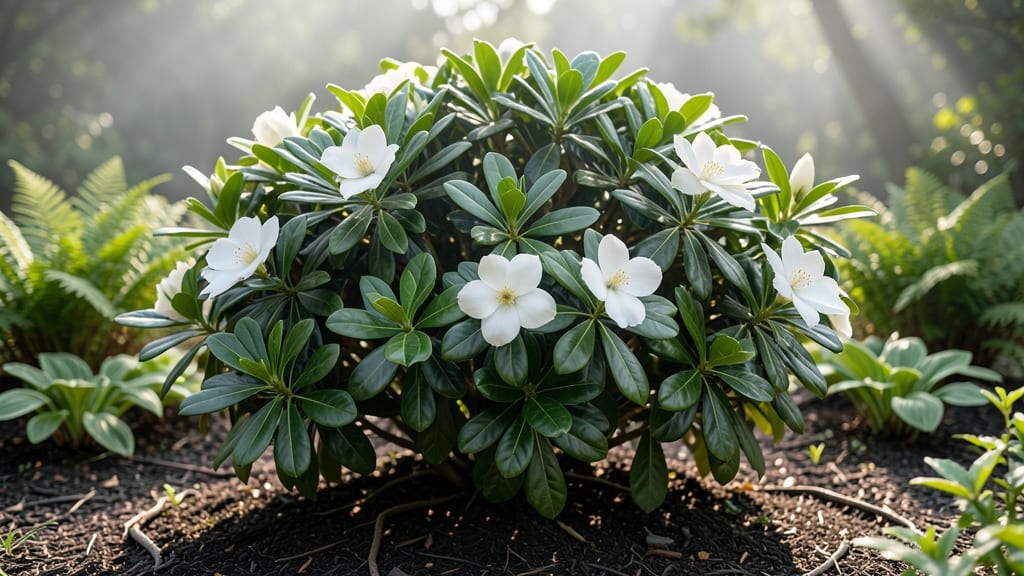
Growing a large gardenia bush means waking up to your front yard smelling like a tropical paradise. 🌿 I've learned the hard way that these fragrant giants demand patience—especially when it comes to pruning timing—but the results are worth every effort.
That first whiff of intoxicating blossoms in late spring becomes the highlight of your year.
The secret to a thriving gardenia lies in three things: acidic soil (think pH 5.5-6.5), morning sun with afternoon shade, and consistent moisture that never lets the roots dry out. Most people overwater or prune at the wrong time, which is why their gardenias struggle.
I've perfected my routine after three seasons of trial and error—now my bush blooms from June through September with minimal effort.
By late winter, you'll see fresh growth pushing through, signaling it's time to shape the bush. A light pruning right before buds swell encourages bushier growth and more blooms, while avoiding harsh cuts keeps the plant healthy.
The payoff? A 10-foot-tall fragrance machine that turns heads (and fills your home with scent when you bring a branch inside).
This method works equally well in warm climates like Florida or California, or in containers for cooler zones—just move it indoors before frost. The key is adapting the timing to your local last frost date. Let's get that gardenia growing like a pro!
📚 In This Guide
- What you need
- Instructions
- Tips and common mistakes
- Wrapping up and next steps
What you need
- ● Gardenias: 1–3 healthy, mature gardenia bushes (preferably Gardenia jasminoides varieties like 'Kleim’s Hardy' or 'Radicans'). Check for disease-free foliage and blooms.
- ● Potting soil or garden soil: 10–20 lbs of well-draining, acidic soil (pH 5.0–6.5). Mix with peat moss or pine bark (50/50 ratio) for optimal aeration.
- ● Organic fertilizer: 1 lb of slow-release acidic fertilizer (e.g., 8-3-9 or 10-10-10 with sulfur).
- ● Composted manure or worm castings (1–2 cups per plant) for nutrient boost.
- ● Mulch: 2–3 inches of pine bark or wood chips to retain moisture and acidify soil.
- ● Garden trowel or spade (for digging holes 2–3x wider than the root ball).
- ● Pruning shears (sterilized with rubbing alcohol to prevent disease).
- ● Gloves (gardening gloves to protect from thorns and soil-borne pathogens).
- ● Watering can or hose with a gentle spray nozzle (gardenia roots are sensitive to overwatering).
- ○ pH testing kit (optional but helpful for monitoring soil acidity).
- ○ Support stake or trellis (optional, for larger varieties like 'Radicans').
- ● Sunlight: Partial shade to full sun (4–6 hours of dappled sunlight daily; avoid harsh afternoon sun in hot climates).
- ● Climate: USDA Zones 7–10 (or container-grown in colder zones with winter protection).
- ● Water source: Access to soft, slightly acidic water (rainwater or filtered tap water; avoid hard water with high lime content).
- ● Space: 6–10 feet of clearance for mature growth (or container size 18"+ for potted gardenias).
Step-by-Step instructions for cultivating a large, fragrant gardenia bush
Here's how to grow a gardenia that thrives year-round with bold blooms and intoxicating scent.
🌱 Step 1: Select and Prepare the Planting Site
Gardenias crave partial shade—think dappled sunlight with 4-6 hours of morning sun and afternoon shade. I always plant mine where they get filtered light from nearby trees or under a patio umbrella. The soil should be slightly acidic (pH 5.5-6.5) and well-draining, or you'll end up with root rot.
Before planting, dig a hole twice as wide as the root ball but only as deep. Gardenias hate being buried too deep—plant them so the top of the root ball sits 1 inch above ground level. This prevents water from pooling around the stem and causing rot.
☀️ Step 2: Plant and Establish Proper Watering Routine
Gently remove the plant from its container and loosen any circling roots with your fingers. Place it in the hole and backfill with soil, pressing lightly to eliminate air pockets. Water deeply right after planting—soak the root zone until water drains from the bottom of the hole.
Here's the thing—gardenias hate soggy soil but need consistent moisture. Water 2-3 times per week during the first year, always checking that the top 2 inches of soil feel dry before watering again. Mulch with 2-3 inches of organic mulch (like pine bark) to retain moisture and keep roots cool.
✂️ Step 3: Prune for Shape and Blooms
Prune gardenias right after flowering (late spring or early summer) to encourage new growth and more blooms. Use clean, sharp pruners to cut back leggy stems by one-third and shape the bush. Always cut just above a leaf node or bud—never leave stubs.
Remove any dead, diseased, or crossing branches first. I also thin out crowded stems to improve airflow, which prevents fungal issues. Avoid heavy pruning in fall or winter—your gardenia needs its energy to prepare for next year's blooms.
🌿 Step 4: Feed and Protect for Year-Round Blooms
Feed your gardenia every 4-6 weeks during growing season (spring through summer) with an acid-loving plant fertilizer (like 7-7-7 or 8-3-9). I use a slow-release fertilizer in early spring and supplement with liquid feedings during active growth. Stop fertilizing in fall to let the plant rest.
Watch for pests like aphids or whiteflies—spray with neem oil at the first sign of trouble. Gardenias also need high humidity to thrive. If your climate is dry, mist the leaves daily or place the pot on a tray of pebbles with water to increase humidity around the plant.
⏰ Step 5: Winter Care for Next Year's Growth
When temperatures drop below 30°F, protect your gardenia by wrapping the bush (not the soil) with burlap or frost cloth. I also add a thick layer of mulch around the base to insulate roots. In colder zones, consider moving potted gardenias to a sheltered spot or indoors near a bright window.
Reduce watering in winter—only water when the top 3 inches of soil are dry. This dormancy period helps the plant store energy for spring blooms. Prune lightly in late winter (just to shape) and resume regular care when new growth appears in early spring.
Tips & tricks for perfect gardenia bush cultivation
These practical insights will help you avoid common pitfalls and maximize your gardenia's potential for stunning, fragrant blooms all year.
Lighting Strategy: The 4-6 hours of morning sun in Step 1 is crucial because afternoon shade prevents leaf scorch while still providing enough light for photosynthesis. I've found that positioning your gardenia near an east-facing window or under a sheer curtain indoors works beautifully for container plants. If your gardenia starts losing leaves, it's getting too much direct sun—move it to a spot with more filtered light.
Planting Depth Secret: The 1-inch elevation above ground level in Step 1 might seem counterintuitive, but it's essential for preventing stem rot. I learned this the hard way after losing a gardenia to fungal issues—always check that the root flare (where roots meet stem) is visible after planting. This small detail makes all the difference in long-term plant health.
Watering Wisdom: The 2-3 times per week guideline in Step 2 works best when you check soil moisture at the 2-inch depth. I use my finger to test—if it feels dry, it's time to water. Overwatering is the #1 killer of gardenias, so always ensure proper drainage. For potted plants, I add a layer of pebbles at the bottom of the pot to prevent waterlogging.
Pruning Precision: When you cut back leggy stems by one-third in Step 3, focus on making clean cuts just above a leaf node. I mark these spots with a pencil before pruning to ensure I'm cutting in the right place. This technique encourages bushier growth and more abundant blooms. Avoid cutting into old wood—new growth comes from the current season's stems.
Pro Tips for Large Gardenia Bush
- These practical insights will help you avoid common pitfalls and maximize your gardenia's potential for stunning, fragrant blooms all year.
- Lighting Strategy: The 4-6 hours of morning sun in Step 1 is crucial because afternoon shade prevents leaf scorch while still providing enough light for photosynthesis.
- Planting Depth Secret: The 1-inch elevation above ground level in Step 1 might seem counterintuitive, but it's essential for preventing stem rot.
Frequently asked questions
Got questions about growing and maintaining a large gardenia bush? You’re not alone! Here are some of the most common concerns—plus quick, practical answers to keep your fragrant beauty thriving.
How fast does a large gardenia bush grow, and how big can it get?
A mature gardenia bush typically grows 6 to 12 inches per year under ideal conditions. With proper care, it can reach 6 to 10 feet tall and wide, though dwarf varieties stay compact (3–5 feet). Patience is key—full fragrance and size take 3–5 years!
When is the best time to plant or transplant a gardenia bush?
Plant in early spring (after the last frost) or late summer for best results. Avoid transplanting in winter (frost risk) or peak summer heat. Pro tip: Soak roots in water for 1–2 hours before planting to reduce shock!
How and when should I prune a large gardenia bush for maximum blooms?
Prune right after flowering (late spring/early summer) to shape the bush and encourage new growth. Never prune in fall or winter—it blooms on old wood, so cutting back then removes next year’s flowers. Use clean, sharp shears and remove no more than 1/3 of the bush at once.
Why aren’t my gardenia leaves turning green, and what’s wrong?
Yellowing leaves often signal overwatering, poor drainage, or nutrient deficiencies. Check soil moisture (it should stay evenly moist but not soggy) and amend with acidic, peat-based soil. Yellow edges? Likely underwatering or fluoride buildup (use rainwater if tap water is hard).
Can I grow a gardenia bush in a container, or does it need to be planted in the ground?
Yes! Gardenias thrive in large containers (15+ gallons) with drainage holes. Use a well-draining potting mix (add perlite or sand) and repot every 2–3 years. Key tip: Move containers indoors or to a sheltered spot if temperatures drop below 50°F (10°C).
What pests or diseases should I watch for with a large gardenia bush?
Common issues include:
- Spider mites: Tiny webs on leaves? Spray with water or neem oil.
- Scale insects: Sticky residue? Scrape off or use horticultural oil.
- Root rot: Yellow leaves + mushy stems? Improve drainage and reduce watering.
- Powdery mildew: White powder? Prune for airflow and apply fungicide.
Prevention tip: Inspect leaves weekly and keep the bush well-ventilated!
Wrapping up and next steps
Growing a large gardenia bush is a rewarding journey that fills your garden with intoxicating fragrance and lush beauty—if you time your pruning just right! 🌸 By understanding its ideal seasons, tool prep, and aftercare, you’ll nurture a thriving, long-lasting shrub that blooms year after year.
Remember, patience and precision are key, but the sweet scent of success is worth every effort.
Ready to transform your outdoor space? Start small: Pick a sunny spot, gather your tools, and schedule your first pruning session this spring. Before you know it, your garden will be the talk of the neighborhood—one fragrant bloom at a time! 🌿✨