
Size
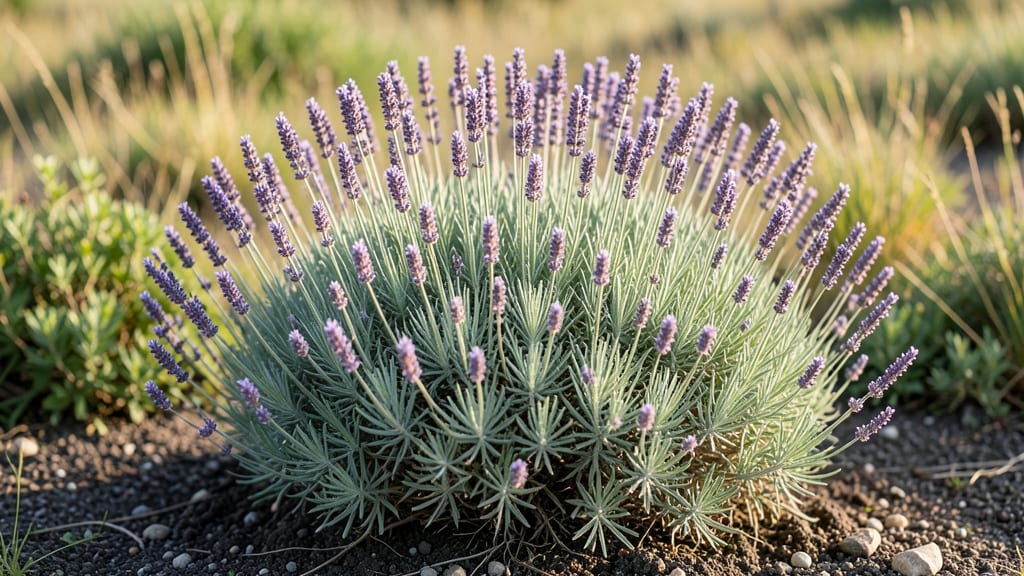
Lavender bush size varies dramatically by variety, with heights ranging from 1 foot to over 3 feet at maturity—so choosing the right type for your space is key.
Wondering how much space to allocate for your lavender bushes? The right size and spacing can mean the difference between a fragrant, thriving garden and a crowded, struggling one.
English lavender, for example, can reach 3 feet tall with a 4-foot spread, while dwarf varieties like 'Kew Red' stay compact at just 1-2 feet. This means spacing needs differ wildly—too close, and you’ll end up with leggy, weak plants.
Below, I break down the exact dimensions for popular varieties, how to space them for full growth, and the pruning tricks that keep lavender lush and manageable—no matter how much room you have.

Lavender bush size by variety: height, spread & growth habits explained
Choosing the right lavender variety starts with understanding their mature sizes. Some varieties stay compact, perfect for containers, while others grow tall enough to create privacy screens. Knowing these dimensions helps you plan your garden layout for both aesthetics and plant health.
Lavender bushes typically reach their full height in 2-3 years, with spread developing gradually. Growth rates vary—some varieties grow slowly, while others expand quickly. Let’s explore the most popular types and their unique dimensions to help you pick the perfect fit for your space.
English lavender varieties like Munstead are classic choices for garden borders, reaching 2-3 feet tall with a 3-4 foot spread. Their medium growth rate makes them ideal for gardeners who want reliable blooms without aggressive spreading.
French lavender, such as Grosso, grows faster and taller, often reaching 3-5 feet with a 4-6 foot spread. This makes it perfect for creating privacy screens or dramatic focal points in larger gardens. Its fast growth rate means it fills space quickly but requires regular pruning.
If you’re working with limited space, Spanish lavender varieties like Papillon are excellent. They stay compact at 1-2 feet tall and 2-3 feet wide, making them perfect for containers or rock gardens. Their slow growth ensures they won’t outgrow their space.
For container gardening or small spaces, dwarf lavender like Kew Red is a game-changer. These varieties top out at just 1-1.5 feet tall and 1.5-2 feet wide, thriving in window boxes or as edging plants. Their slow growth means minimal maintenance once established.
Intermediate varieties like Hidcote strike a balance, growing 2-3 feet tall and wide with a medium growth rate. They’re versatile for mixed borders or pollinator gardens, offering a fragrant addition without overwhelming smaller spaces.
When selecting lavender, consider your garden’s sunlight exposure and available space. All varieties thrive in full sun, but their mature sizes dictate where they’ll fit best. For example, tall varieties like Grosso need room to spread, while dwarfs like Kew Red work beautifully in tight spots.
Pro tip: Always plant lavender in well-draining soil to prevent root rot, which can stunt growth. Amend heavy clay soil with sand or gravel to improve drainage and encourage healthy expansion.
Optimal lavender bush spacing: how far apart to plant for full growth
Proper lavender bush spacing is the secret to unlocking their full potential. When planted too closely, these fragrant shrubs compete for nutrients, leading to stunted growth and poor airflow that invites fungal diseases. Conversely, spacing them too far apart wastes garden space and dilutes their visual impact.
The ideal distance depends on your lavender variety, soil type, and climate conditions—but science-backed guidelines exist to simplify the decision.
Most mature lavender bushes reach 2-3 feet tall and spread 3-5 feet wide, but spacing requirements vary dramatically. For example, English lavender (like Munstead) spreads aggressively, while French lavender (such as Grosso) stays more compact.
Understanding these differences ensures your lavender thrives while creating a stunning, low-maintenance garden layout that maximizes fragrance and bloom production.
- 🌿 Spreading varieties (e.g., English lavender) need 4-6 feet between plants to prevent overcrowding and ensure strong airflow.
- 🌱 Compact varieties (e.g., Kew Red or Hidcote) thrive with 2-3 feet spacing, perfect for small gardens or containers.
- 💧 Soil drainage impacts spacing—sandy soils allow closer planting (3 feet), while clay-heavy soils require wider gaps (5-6 feet) to prevent root rot.
- ✂️ Pruning frequency affects spacing needs: Heavy pruners can plant closer (3 feet), while minimal pruners should space plants 4-5 feet apart.
- 🌳 Grouping by height creates visual layers—plant tall varieties (e.g., Munstead) at the back and dwarf varieties (e.g., Lavenite) in front for a lush, tiered look.
Climate plays a surprisingly big role in spacing decisions. In hot, dry regions like the Southwest U.S., lavender can handle closer spacing (3-4 feet) because the harsh conditions naturally limit growth.
Meanwhile, in cooler, humid climates (like the Pacific Northwest), wider spacing (5-6 feet) is essential to prevent fungal diseases like powdery mildew, which thrive in damp conditions.
One common mistake is assuming all lavender needs the same spacing. For instance, Spanish lavender (Lavandula stoechas) stays under 2 feet tall but spreads 3 feet wide, making it ideal for 2-foot spacing in borders.
In contrast, Grosso lavender can reach 3 feet tall and 4 feet wide, requiring 5-foot spacing to avoid competition. Always check your variety’s mature size before planting!
For a fragrance-focused garden, closer spacing (3-4 feet) can amplify scent—but only if airflow remains strong. I recommend planting in small clusters of 3-5 bushes with 1-foot gaps between clusters to create a "scent wall" while maintaining airflow.
This setup works beautifully along pathways or near seating areas, where you can fully enjoy the aroma.
Finally, don’t forget to account for future growth. Lavender is slow-growing, but it can live for 10-15 years with proper care. If you’re planting near a fence or wall, leave extra space (6+ feet) to avoid overcrowding as the bushes mature.
With the right spacing, your lavender will reward you with vibrant blooms, intense fragrance, and minimal maintenance for decades to come. 🌿