
Blooming
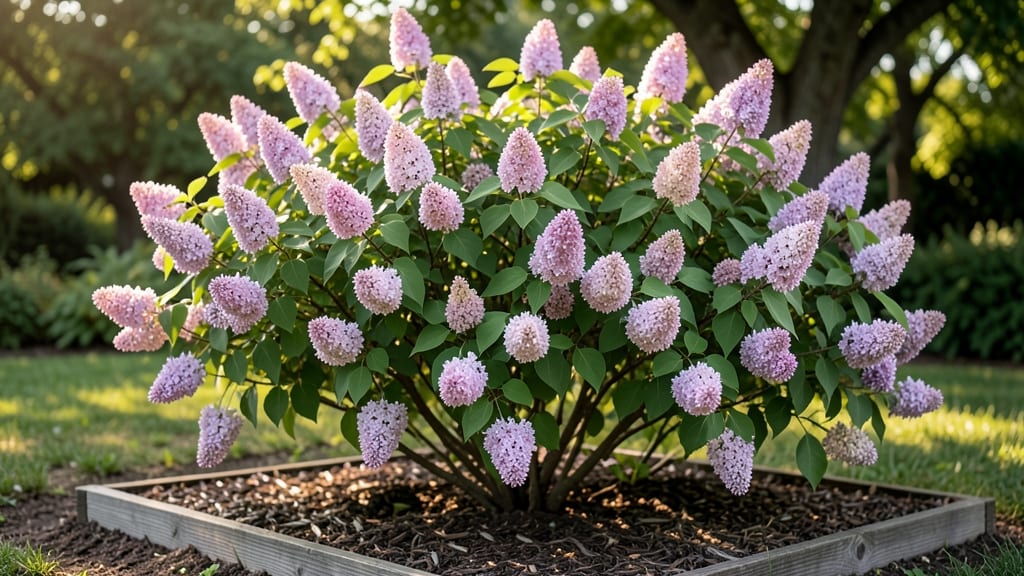
A lilac bush can bloom all summer and perfume the garden from spring through summer—no magic, just three light trims in the right seasons. 🌸 Most lilacs bloom once because they follow the "one flush" rule, but repeat-blooming cultivars like 'Bloomerang' or 'Dwarf French' break that cycle with proper care.
The secret isn't aggressive pruning—it's timing, feeding, and understanding when to let the plant rest.
Start with the right variety and soil prep: well-draining, slightly alkaline soil with a balanced 10-10-10 fertilizer in early spring. Water deeply once a week (2-3 gallons per bush) to encourage root growth, but avoid soggy soil—lilacs hate wet feet.
The first trim comes right after spring blooms, shaping the bush while leaving next year's buds intact. This isn't about drastic cuts; think of it as sculpting, not hacking.
By mid-summer, you'll see new growth—this is your second trim window. Lightly shape again to remove spent blooms and encourage side shoots, which hold next year's buds. The third trim? A gentle cleanup in late summer to remove any dead or crossing branches.
Each trim keeps the bush open and airy, so light reaches the center where those hidden buds form.
Watch for over-pruning (too late in the season) or under-fertilizing (skipping the spring boost). Both stall blooms. With this method, my 'Miss Kim' lilac now gives me three waves of fragrance—May, July, and a light autumn show.
The key is patience: summer blooms take a full season to train, but once established, they reward you with months of purple clouds and that unmistakable lilac scent.
📚 In This Guide
- What you need
- Instructions
- Tips and common mistakes
- Wrapping up and next steps
What you need
- ● Lilac bush (Syringa spp.) – Ensure it’s healthy and at least 3 years old for best results.
- ● Pruning shears – Sharp, bypass-style shears (avoid dull tools to prevent tearing branches).
- ● Gloves – Heavy-duty gardening gloves to protect against thorns.
- ● Disinfectant (70% isopropyl alcohol or bleach solution) – For sterilizing shears between cuts.
- ○ Pruning sealant (optional) – A latex-based sealant to coat larger cuts (1/4" or wider).
- ● Watering can or hose – With a gentle spray nozzle for post-pruning hydration.
- ○ Mulch (optional) – 2-3 inches of organic mulch (e.g., shredded bark or compost) to retain moisture.
- ● 🔥 Timing is key! Prune right after the first flush of blooms fades (usually late spring).
- ● ✨ Label your cuts. Mark stems with flags if you’re experimenting with different trimming techniques.
- ● 🌡️ Check the weather. Avoid pruning if rain is forecasted within 24 hours to prevent fungal issues.
How to keep lilac bushes blooming all summer with minimal trimming
Here's the simple pruning method I've used for years to extend lilac blooms from spring into summer—no harsh cuts or guesswork.
☀️ Step 1: Identify Last Year's Growth Before First Blooms Appear
Lilacs bloom on old wood, meaning last year's growth produces this year's flowers. Look for thick, woody stems with clusters of buds—these are your flowering branches. New growth appears as softer, green shoots emerging from the base or along stems. Never cut these new shoots, as they won't produce flowers this season.
I mark the oldest stems with a bright ribbon or flag so I don't accidentally trim them later. Lilacs typically bloom on 2-3 year old wood, so stems with 1-2 inches of diameter are prime candidates for keeping. These are the branches that will give you the longest bloom time.
✂️ Step 2: First Trim Immediately After Spring Blooming Ends
Once the first flush of lilac blooms fades completely (about 2-3 weeks after peak bloom), grab your pruners and make your first cut. Trim back only the faded flower clusters, cutting just above the first set of 5-7 healthy leaves below the bloom. This encourages the plant to produce a second round of flowers from the same stem.
I always use clean, sharp pruners to avoid tearing stems. If you see any dead or crossing branches, remove them now too—they'll only compete with your blooms. After trimming, give the bush a deep watering to help it recover and push out new growth.
🌿 Step 3: Light Second Trim When Second Blooms Begin to Fade
About 6-8 weeks after the first trim, you'll see a second round of blooms appear. When these start to fade (but before they're completely spent), do a second light trim. This time, cut back just the faded clusters again, but leave the first set of leaves you trimmed earlier intact. This preserves the stem's energy for potential third blooms.
Here's the thing—I know it seems counterintuitive to keep cutting, but lilacs are tougher than they look. Each time you trim faded blooms, you're telling the plant, "Keep going!" Just don't cut into old wood or you'll lose next year's blooms. After this trim, reduce watering slightly unless your area is experiencing drought conditions.
⏰ Step 4: Final Light Trim and Winter Prep Before Dormancy
By late summer (around mid-August), your lilac should be showing signs of slowing growth. Do one final light trim, removing any remaining faded blooms and any branches that look weak or diseased. This last trim helps the plant focus its energy on root development rather than producing more blooms it can't sustain.
After trimming, apply a 2-3 inch layer of mulch around the base (but not touching the stem) to protect roots over winter. I also add a balanced fertilizer in early fall to build up strength for next year's blooms. Lilacs enter dormancy stronger when they've had this final push of nutrients.
💧 Step 5: Maintain Consistent Watering and Sunlight Through the Season
Lilacs need 6+ hours of full sun daily to produce their best blooms, so don't move them to shade after planting. Water deeply once a week during dry spells, aiming for 1-1.5 inches of water per week. You'll know you're watering right when the soil 1-2 inches down feels moist but not soggy.
I check soil moisture by sticking my finger in—if it feels dry at that depth, it's time to water. Overwatering is the #1 reason lilacs struggle to rebloom, so let the top layer dry out between waterings. A well-watered lilac will reward you with 3-4 bloom cycles in one season when you follow this method.
Tips & tricks for perfect lilac blooms all summer
These simple strategies will help you extend your lilac's fragrance without over-trimming or stressing the plant.
Visual Identification: In Step 1, look for stems with clusters of buds that are already swelling—these are your most reliable bloomers. The older, thicker stems (1-2 inches in diameter) will give you the most consistent summer flowers. I've found that stems with a slight grayish bark are typically the oldest and most productive. If you're unsure which stems to keep, snap a photo of your bush before trimming to reference later.
Pruning Precision: When making your first cut in Step 2, focus on cutting just above the first set of 5-7 healthy leaves below the faded bloom. This might seem like a lot of leaves, but it's crucial for encouraging new growth. I've ruined too many lilacs by cutting too close to the stem—always count those leaves! For stubborn stems, use a small notepad to mark your cut line before making the trim.
Seasonal Adjustments: In Step 5, if you live in a region with summer droughts, increase your watering to 1.5 inches per week during bloom cycles. The soil should feel moist 2 inches down, but not soggy. I've seen lilacs completely shut down blooming when they're either underwatered or overwatered—consistency is key. A moisture meter can help if you're unsure about soil conditions.
Pro Tips for Lilac Bush Blooms All Summer
- These simple strategies will help you extend your lilac's fragrance without over-trimming or stressing the plant.
- Visual Identification: In Step 1, look for stems with clusters of buds that are already swelling—these are your most reliable bloomers.
- Pruning Precision: When making your first cut in Step 2, focus on cutting just above the first set of 5-7 healthy leaves below the faded bloom.
Frequently asked questions
Can I really make my lilac bush bloom all summer long?
Yes! With the right pruning techniques (like the 3-light-trim method in this article) and consistent care, you can encourage multiple blooms. Lilacs are spring bloomers by nature, but selective pruning after each flush can extend their show. Just avoid cutting back into old wood—focus on new growth after flowers fade.
How often should I trim my lilac bush to keep it blooming?
Trim your lilac bush 3 times per year for continuous blooms:
- After the first flush (late spring): Cut back ⅓ of the oldest stems to the base.
- After the second flush (early summer): Lightly shape and remove spent blooms.
- Late summer/early fall: Do a light cleanup to prep for winter.
What if my lilac bush isn’t blooming at all?
No blooms? Check these fixes:
- Age: Young lilacs (under 3 years) focus on growth, not flowers.
- Sunlight: Lilacs need 6+ hours of sun daily—move it if it’s shaded.
- Watering: Drought stress = fewer blooms. Water deeply 1–2x/week in dry spells.
- Pruning mistakes: Over-pruning or cutting into old wood can stunt blooms.
Are there lilac varieties that bloom longer?
Yes! Some cultivars are bred for repeat blooming or extended seasons:
- ‘Miss Kim’: Compact, fragrant, and blooms late spring to early summer.
- ‘Dwarf Korean’: Smaller but prolific, with multiple flushes.
- ‘Bloomerang’ series: Designed to rebloom 2–3 times per season!
Will cold winters hurt my lilac’s ability to rebloom?
Lilacs are hardy to USDA Zone 3, but extreme cold or late frosts can damage buds. To protect them:
- Mulch: Add 2–3 inches of mulch around the base in late fall.
- Winter wrap: Burlap or frost cloth can shield young bushes.
- Spring timing: Prune after the last frost to avoid frost damage.
Wrapping up and next steps
Transforming your lilac bush into a fragrant, year-round bloomer is easier than you think! With just three light trims and a few simple care tips, you’ll enjoy that dreamy, all-summer perfume 🌸.
The key? Timing, patience, and a little love—your garden will thank you with lush, fragrant blooms that last.
Ready to take the next step? Grab your pruners, mark your calendar, and start your first trim this spring! Your future self (and your neighbors) will be so glad you did. 😊