
Light Requirements
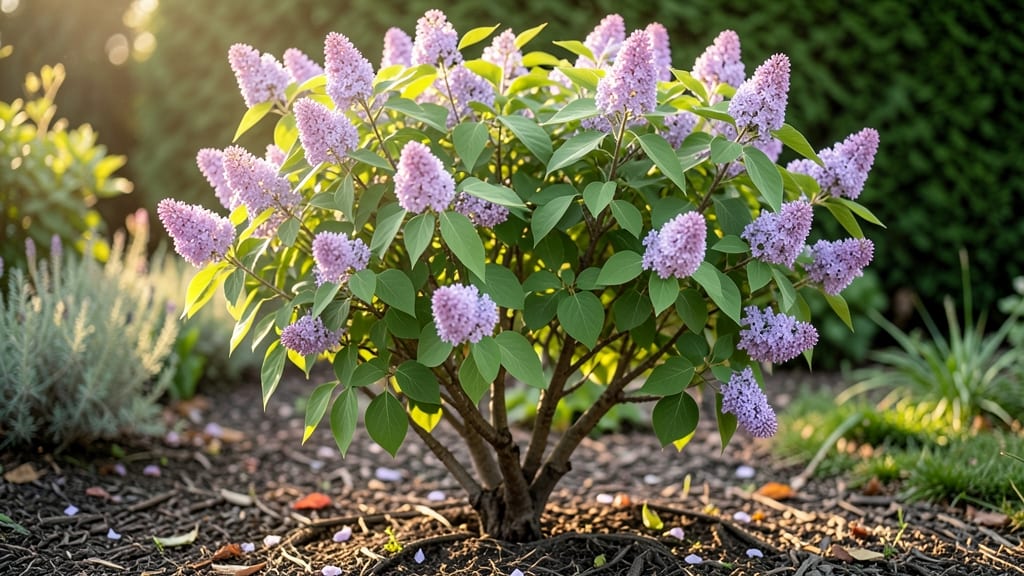
A lilac bush thrives in full sun 🌸 when you balance its love for light with protection from harsh afternoon heat—here’s how to get it right.
Struggling to get your lilac bush to thrive in full sun? The right light exposure can transform your plant from sparse blooms to a fragrant, vibrant masterpiece—here’s how to unlock its full potential.
Full sun means 6-8 hours of direct light daily, but too much midday heat can scorch leaves and stress roots. The key is strategic placement—think morning sun with afternoon shade or reflective mulch to diffuse intensity.
In this guide, I’ll show you 3 simple light hacks to boost blooms, the best lilac varieties for hot climates, and how to prune for better air circulation—so your bush stays healthy and fragrant for years.

Why full sun lilac bushes need strategic light management
If your lilac bush isn't blooming as vibrantly as you'd like, the issue might be more sun than your plant can handle. While lilacs love sunlight, full sun exposure (8+ hours/day) can actually harm them, causing leaf scorch and stunted growth.
The key is finding that sweet spot—6-8 hours of morning sun with afternoon shade protection. This balance ensures your lilac thrives without overheating.
Lilacs naturally grow in temperate climates where they receive bright light but aren't baked all day. When exposed to intense afternoon sun, their delicate leaves can crisp at the edges, turning brown—a clear sign of heat stress.
Even worse, excessive sun can dry out the soil too quickly, leading to shallow roots that struggle to support the plant's fragrant blooms.
Here's the catch: Lilacs need sunlight to flower, but too much can backfire. The solution lies in strategic light management, like using shade cloths during peak hours or planting near taller structures that cast afternoon shadows.
This approach keeps your lilac happy without sacrificing its show-stopping spring display.
🌸
Warning: Full Sun Can Ruin Your Lilac
Exposing lilacs to more than 8 hours of direct sun triggers leaf scorch and root burn. Even 6-8 hours of peak sun (10 AM–4 PM) can cause stress. Morning sun + afternoon shade is the golden rule for preventing damage while keeping blooms abundant.
Let's break down the science: Lilacs evolved to handle moderate sunlight, not the harsh, unfiltered rays of a southern exposure. When leaves absorb too much UV radiation, their cells overheat and dehydrate, leading to those unsightly brown patches.
The edges of leaves are particularly vulnerable because they have fewer protective pigments. Over time, this stress weakens the plant's immune system, making it more susceptible to pests and diseases.
Root health is another critical factor. While lilacs need sunlight for energy, their roots prefer cool, moist soil. Too much sun dries out the soil faster than roots can absorb moisture, forcing them to grow closer to the surface.
This creates a shallow root system that can't support the plant's height and bloom load, especially during drought periods.
Seasonal adjustments are key to managing light exposure. In spring and fall, lilacs can handle more sunlight as temperatures are milder. But during summer's peak heat, even a well-established lilac can suffer.
If you notice leaves wilting or curling, it's a sign your plant is overheating. Providing 30-50% shade during the hottest hours can make a dramatic difference in your lilac's health and bloom quality.
One common mistake is assuming all full sun locations are equal. A west-facing spot might get 6 hours of intense afternoon sun, while an east-facing one offers gentler morning light. Test your lilac's location by observing how long direct sunlight hits the leaves.
If the sun lingers past 4 PM, consider relocating or adding shade. Even a light-colored fence or tree canopy can reduce heat stress without blocking all light.
For container-grown lilacs, the stakes are even higher. Pots dry out faster, and roots have less access to moisture in the ground. If your potted lilac is in full sun, you'll need to water daily and use self-watering pots to compensate.
Without these adjustments, your plant will struggle to survive, let alone bloom beautifully.
Remember, the goal isn't to deprive your lilac of sunlight—it's to optimize its exposure. A well-managed lilac in 6-8 hours of morning sun will reward you with lush foliage and abundant, fragrant blooms year after year. With these strategies, you'll transform your struggling bush into a thriving centerpiece.
☀️✂️
3 Essential light hacks to supercharge lilac blooms in full sun
Your lilac bush thrives in full sun, but too much direct light can actually burn leaves and reduce blooms. The key is strategic light management—balancing exposure while protecting delicate foliage. With these 3 light hacks, you'll transform weak stems into vibrant, fragrant blooms that last all season.
Most gardeners assume more sun = better blooms, but lilacs need gentle light optimization. By improving airflow, reflecting light, and reducing heat stress, you'll create the perfect growing conditions. Let's dive into the DIY techniques that work like magic for sun-loving lilacs.
🌸 Numbered Highlights: Lilac Light Optimization
- Prune for airflow: Thin overcrowded branches by 30% to prevent leaf scorch from trapped heat.
- Use reflective mulch: Spread white gravel or light-colored stones around the base to bounce extra sunlight upward.
- Plant companions: Pair with lavender or rosemary to create natural shade during peak afternoon sun.
Start with pruning for airflow—this is your first defense against sunburned leaves. In late winter or early spring, remove 1/3 of the oldest wood to open up the center. This reduces heat buildup while allowing even light distribution across all branches. Use sterilized pruners to avoid spreading disease.
Next, try reflective mulches to boost light absorption without overheating roots. Lay white pebbles or light-colored bark around the base—this reflects up to 20% more sunlight onto the lower leaves. For a DIY solution, paint a 12-inch ring around the trunk with white latex paint.
Finally, companion planting can reduce heat stress naturally. Place drought-tolerant herbs like thyme or oregano nearby—they cast light shade while improving soil health. Avoid tall plants that block morning sun, which lilacs need to kickstart blooming.
Time these hacks right: prune in March, add mulch in April, and plant companions in May. With these light-boosting strategies, your lilac will reward you with double the blooms next spring. 🌿