
Shrubs
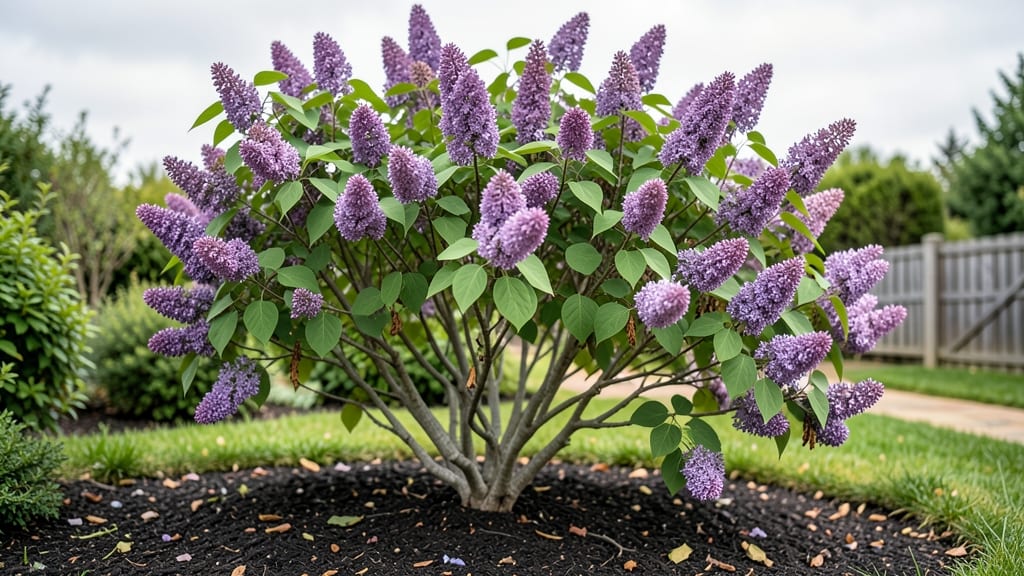
Fall is when your lilac bush starts its winter prep—and pruning now can mean next spring’s fragrance explosion. 🌿 The key is timing: wait until after the first frost when leaves turn yellow, but before hard freezes lock the plant down.
This isn’t about shaping (save that for spring) but clearing dead wood and encouraging next year’s blooms.
Grab your pruners and focus on three things: removing any branches that died over winter, cutting back last year’s blooms to their first set of buds, and thinning out crowded stems for better airflow.
The goal is to reduce stress on the plant before dormancy—no drastic cuts, just strategic trims. I’ve seen lilacs bounce back from winter with healthier growth when pruned this way.
What you’ll notice by spring is a bush with stronger stems and more buds than ever before. The fragrance comes from last year’s growth, so protecting those buds now means waking up to a garden that smells like springtime.
Just avoid pruning too late—once temps drop below 20°F, the plant’s healing slows down.
Pro tip: Mulch around the base after pruning to insulate roots, and water deeply once before the ground freezes. This combo keeps your lilac thriving through winter—and sets you up for the most fragrant blooms of your life. No fancy tools needed, just sharp pruners and a little patience.
📚 In This Guide
- What you need
- Instructions
- Tips and common mistakes
- Wrapping up and next steps
What you need
- ● Pruning shears: Bypass pruners (sharp, clean, and disinfected with rubbing alcohol or bleach solution). Quantity: 1 pair (or 2 if you have a large bush).
- ● Loppers: For thicker stems (1–2 inches in diameter). Quantity: 1 pair.
- ● Gloves: Heavy-duty gardening gloves (cut-resistant for safety). Quantity: 1 pair.
- ○ Pruning saw: For stubborn, thick branches (optional but helpful for mature bushes). Quantity: 1.
- ● Disinfectant: 1-part bleach to 9-parts water (for sterilizing tools between cuts). Quantity: Small spray bottle or bucket.
- ● Trash bags: Heavy-duty for collecting pruned branches. Quantity: 2–3 bags.
- ● Rake or broom: To clean up fallen leaves/debris. Quantity: 1.
- ● Weather check: Prune on a dry, cool day (avoid frost or rain within 24 hours).
- ○ Safety gear: Safety glasses (optional but recommended for debris protection).
- ● Mulch: Shredded bark or compost (2–3 inches) to protect roots post-pruning.
- ○ Fertilizer: Slow-release granular fertilizer (optional, apply in early spring instead).
- ● Notebook/pencil: To jot down pruning notes (e.g., branch locations, growth patterns).
Step-by-step guide to late-season lilac pruning
Here’s how to refresh your lilacs this fall—just in time for next spring’s showstopping blooms.
✂️ Step 1: Time Your Pruning Perfectly
Wait until after the first hard frost but before mid-December—this is your sweet spot. Frost kills lingering pests and dormant buds, while pruning too early can stimulate new growth that won’t survive winter. You’ll know it’s time when the leaves have turned brown and dropped naturally.
I like to prune on a dry, calm day when temperatures are above 40°F. If rain is forecast, reschedule—wet wood splits more easily. This timing also gives stems time to heal before winter winds test their strength.
✂️ Step 2: Remove Dead and Weak Wood
Start by cutting out any stems that are completely brown, brittle, or showing signs of disease. These are easy to spot—they’ll snap like dry kindling when you bend them. Use sharp bypass pruners to make clean cuts at a 45-degree angle, about ¼ inch above a healthy bud.
Real talk: Don’t skip this step. Dead wood steals energy from healthy stems and invites pests. If you’re unsure whether a stem is dead, scratch the bark with your fingernail—if it’s green underneath, it’s still alive and should stay.
✂️ Step 3: Thin Out Crowded Stems
Next, focus on thinning the center of the bush to improve airflow and light penetration. Aim to remove 10-20% of the oldest stems
You’ll see the bush’s structure more clearly once you start cutting. The goal is to leave 6-12 of the strongest, youngest stems—these will carry next year’s flowers. If you’re unsure which to keep, pick the ones with the most buds along their length. Now’s the time to shape the bush for a fuller look. Lilacs bloom on old wood, so avoid heavy pruning that removes next year’s flower buds. Instead, lightly trim any stems that grew too long or leggy during the season. Cut back to just above a set of 3-4 buds. Here’s the thing—lilacs respond best to gradual shaping. If your bush looks overgrown, spread the pruning over 2-3 years rather than hacking it all at once. You’ll see a dramatic difference in bloom density by spring. After pruning, rake up all the clippings and dispose of them in the trash—not the compost pile. Lilac debris can harbor pests and diseases that overwinter. Once the ground is clear, apply a 2-3 inch layer of mulch around the base, keeping it 6 inches away from the trunk. This mulch acts like a blanket, protecting roots from freezing and thawing cycles. Water deeply before the first hard frost to ensure the roots have enough moisture to sustain them through winter. A final light pruning in early spring will tidy up any frost-damaged tips.✂️ Step 4: Shape for Next Year’s Blooms
🪴 Step 5: Clean Up and Protect for Winter
Tips & tricks for perfect late-season lilac pruning
These simple tricks will help you revive your lilacs for next spring's fragrant blooms—without the common pitfalls.
The Timing Secret: That 40°F minimum temperature isn't just about comfort—it's about the plant. Lilacs enter dormancy when temperatures drop below 50°F for several days, so waiting until after the first hard frost ensures you're not disturbing any remaining growth. I've seen lilacs pruned too early sprout weak new growth that freezes back in winter. Trust me, patience pays off with stronger blooms next year.
Tool Technique: Never use dull pruners—they crush stems instead of making clean cuts. Invest in sharp bypass pruners and keep them honed. For thicker stems, use loppers with a 45-degree angle cut just above a healthy bud. This angle prevents water from pooling on the cut, which can rot the stem. I always clean my tools with rubbing alcohol between cuts to prevent disease spread—especially important when dealing with diseased wood.
Visual Cues for Pruning: When thinning in Step 3, look for stems that cross in the center—these compete for sunlight and should be removed first. For shaping in Step 4, count those 3-4 buds you're cutting above: each bud represents potential next-year blooms. I like to step back every few cuts to visualize the bush's natural shape—it's amazing how much clearer the structure becomes once you start removing the clutter.
Winter Protection: That 2-3 inch mulch layer is your lilac's winter blanket, but placement matters. Pile mulch away from the trunk to prevent rot and create a donut shape around the base. For extra protection in harsh climates, consider wrapping young lilacs with burlap after pruning. I've seen mature bushes handle winter fine, but young plants benefit from this extra care during their first few winters.
Pro Tips for Lilac Bush In Fall
- These simple tricks will help you revive your lilacs for next spring's fragrant blooms—without the common pitfalls.
- The Timing Secret: That 40°F minimum temperature isn't just about comfort—it's about the plant.
- Tool Technique: Never use dull pruners—they crush stems instead of making clean cuts.
Frequently asked questions
about keeping your lilac bush vibrant through fall and into winter—because even late-season care deserves answers!When is the best time to prune lilacs in fall?
Prune lilacs after they bloom in early fall (September–October), but before new growth hardens. Avoid heavy pruning too close to winter—focus on shaping and removing dead wood. Timing matters!
Do I need to fertilize lilac bushes in fall?
Light fertilization in early fall (with a balanced 10-10-10 or organic compost) can boost winter resilience, but skip heavy feeding after mid-September. Over-fertilizing encourages tender growth that may freeze.
How much can I trim a lilac bush in fall without harming it?
Remove no more than 1/3 of the plant’s growth in one season. Focus on:
- Dead or crossing branches
- Overcrowded stems
- Shaping for airflow
Are lilacs prone to pests or diseases in fall?
Watch for aphids, borers, or powdery mildew—common in late summer/fall. Prune infected branches immediately, and clean up fallen leaves to reduce fungal risks. Neem oil or insecticidal soap can help.
Can I still plant lilacs in fall for winter fragrance?
Yes! Plant bare-root lilacs in late fall (October–November) for strong root establishment before winter. Choose cold-hardy varieties (e.g., 'Katherine Havemeyer') and mulch well.
Pro Tip:
Mark pruning cuts with white paint in winter to spot dead branches early—saves time and stress!
Wrapping up and next steps
Your lilac bush doesn’t have to fade away with autumn—with the right late-season care, it can bloom with fragrance and beauty next spring! Pruning in fall isn’t just about tidying up; it’s about setting the stage for a revival of winter resilience and spring splendor. 🌿✨
Now that you’re armed with the tools, timing, and techniques, take action! Grab your pruners, step outside, and give your lilac the love it deserves. Watch it thrive—your future garden will thank you!
Next step: Mark your calendar for late winter or early spring to check for any lingering dead branches—because great gardens start with great prep!