
Pruning
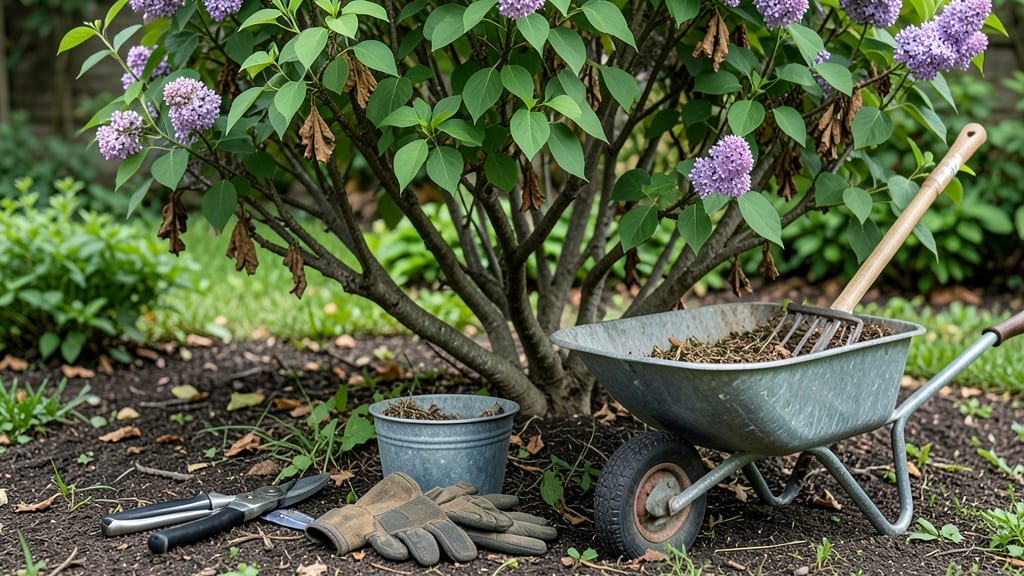
Your overgrown lilac bush isn't a lost cause—it's just waiting for the right cuts to bloom again. ✂️ I've turned tangled, leggy lilacs into lush, fragrant shrubs with just three strategic pruning sessions, and you can too.
The key is timing: prune after flowering but before new growth hardens, and you'll see fresh, vigorous shoots within weeks.
You only need basic tools—a sharp pair of pruners, gloves, and a bucket for clippings. Most people overcomplicate this—lilacs thrive on bold cuts, not delicate trimming. Focus on removing old wood (any stems thicker than a pencil) and shaping the bush to open it up to sunlight and air.
This isn't just about looks; it's about reviving growth that's been smothered by years of neglect.
By the end of the season, you'll have a bush that's half its original size but twice as productive. The fragrance alone makes it worth the effort—imagine walking past and being hit with that classic lilac scent in full force.
Plus, you'll avoid the heartbreak of next year's blooms being hidden by unruly branches.
This method works for any lilac variety, whether it's a mature shrub or one that's just gotten out of hand. The only risk is cutting too late in the season, so mark your calendar now. Let's get those pruners ready—your lilac's comeback starts today.
📚 In This Guide
- What you need
- Instructions
- Tips and common mistakes
- Wrapping up and next steps
What you need
- ● Pruning shears: Bypass pruners with sharp, clean blades (4–6 inch blades for medium branches). Pro tip: 💡 Sanitize them with rubbing alcohol to prevent disease spread!
- ● Loppers: For thicker branches (8–10 inch blades), rated for 1–2 inch cuts.
- ○ Hand saw: Pruning saw with a curved blade for stubborn, woody stems (optional but helpful for lilac bush overgrown with thick growth).
- ● Gloves: Heavy-duty gardening gloves to protect against thorns and sap.
- ● Ladder or step stool: If your lilac is tall (6+ feet), ensure it’s stable and non-slip.
- ● Disinfectant: 1 part bleach to 9 parts water (for cleaning tools between cuts).
- ○ Pruning sealant (optional): For sealing large cuts (if your lilac has been neglected).
- ● Trash bags or bucket: To collect pruned branches and debris.
- ● Notebook & pen: To jot down notes on cuts made (helpful for future reference!).
- ● Choose a dry, sunny day—avoid pruning after rain or in extreme heat.
- ● Wear long sleeves and pants to protect from scratches and sap.
- ● Check local regulations if your lilac is near a property line (some areas restrict pruning near boundaries).
How to revive an overgrown lilac bush
Here’s the method I’ve used to turn straggly lilacs into lush, flowering bushes—no guesswork involved.
✂️ Step 1: Assess the Bush and Plan Your Cuts
Start by examining your lilac bush for dead, diseased, or crossing branches. Remove any stems that are brown, mushy, or rubbing against others—these compete for energy and invite pests. I like to work on a dry, cloudy day when the plant is less stressed. Grab your pruners and a small bucket to collect the trimmings.
Look for the main stems (scaffold branches) that form the bush’s skeleton. These are the thickest branches growing directly from the base. You’ll want to preserve these—they’re the foundation for future blooms. Mark any branches that cross or grow inward with a piece of twine or tape so you don’t accidentally cut the wrong ones.
✂️ Step 2: Thin Out Crowded Branches
This is where the magic happens. Lilacs bloom on old wood, meaning flowers form on stems that grew the previous season. To encourage stronger growth, remove one-third of the oldest stems at the base. Cut them back to the ground—no stubs left. These stems are no longer productive and will sap energy from younger branches.
Next, thin out any remaining crowded branches to improve airflow. Aim for a spacing of 6-12 inches between stems. You’ll see a dramatic difference in sunlight penetration and future flower production. If a branch is too close to another, cut it back to the nearest outward-facing bud. This ensures the bush grows outward instead of inward.
✂️ Step 3: Shape the Bush for Fullness
Now it’s time to shape the bush. Lilacs respond well to a rounded, vase-like form. Start by cutting back the longest branches to just above a set of 3-5 outward-facing buds. This encourages bushier growth. Avoid cutting into the center of the bush—this creates a "donut hole" that never gets sunlight.
Step back often to check your work. The goal is a balanced shape with no bare spots. If you see leggy branches reaching upward, cut them back to a lower bud to redirect energy downward. You’ll know you’ve done it right when the bush looks fuller and more compact. Avoid heavy pruning in late summer or fall—this removes next year’s flower buds.
💧 Step 4: Post-Pruning Care
After pruning, water the bush deeply to help it recover. Spread 2-3 inches of mulch around the base (but not touching the trunk) to retain moisture and suppress weeds. Lilacs prefer well-draining soil, so avoid overwatering—this can lead to root rot. A slow-release fertilizer applied in early spring will give the bush the nutrients it needs to bounce back.
Keep an eye out for new growth in the spring. You’ll see fresh green shoots emerging from the pruned areas—this is a sign the bush is healing. Avoid pruning again until after it finishes flowering. Lilacs bloom on old wood, so cutting back too soon removes next year’s flowers. With patience, your bush will reward you with abundant blooms for years to come.
Tips & tricks for reviving an overgrown lilac bush
Transforming a tangled lilac into a thriving beauty takes strategy—not brute force. Here's what I've learned after turning multiple overgrown bushes into fragrant showstoppers.
Pruning Precision: When removing one-third of the oldest stems in Step 2, focus on the thickest, most established branches growing from the base. These are the energy vampires that drain resources from your bush. I've made the mistake of cutting back thinner branches instead—this actually creates more work for the plant to compensate. Look for stems wider than your thumb at the base; these are your targets.
Bud Selection Matters: In Step 3, those 3-5 outward-facing buds you're cutting to are your secret weapon. The key is to choose buds that point away from the center of the bush. I learned this the hard way when I accidentally cut to inward-facing buds, which led to branches growing into the middle and creating that dreaded "donut hole." Take a moment to rotate around the bush—you'll notice the buds naturally face outward on healthier growth points.
Timing is Everything: The instructions mention avoiding heavy pruning in late summer or fall, but here's the deeper reason: lilacs set their flower buds in late summer for next year's blooms. If you prune after mid-summer, you risk removing those buds entirely. I now mark my calendar with red flags for the optimal pruning window—right after flowering in early summer, but before those flower buds form in late summer.
Post-Pruning Recovery: That 2-3 inches of mulch in Step 4 isn't just decorative—it's crucial. Spread it evenly but keep it 2-3 inches away from the trunk to prevent rot. I've seen gardeners make the mistake of piling mulch right against the stem, which can suffocate the plant. Also, water deeply but infrequently—lilacs hate soggy roots. Think of it like giving your bush a good drink after a workout, not a constant drip.
Pro Tips for Lilac Bush Overgrown
- Transforming a tangled lilac into a thriving beauty takes strategy—not brute force.
- Pruning Precision: When removing one-third of the oldest stems in Step 2, focus on the thickest, most established branches growing from the base.
- Bud Selection Matters: In Step 3, those 3-5 outward-facing buds you're cutting to are your secret weapon.
Frequently asked questions
Got questions about tackling that lilac bush overgrown? You’re not alone!
Here are the most common concerns gardeners have—and how to handle them like a pro.
When is the best time to prune an overgrown lilac bush?
The ideal window is right after blooming (late spring to early summer). This timing ensures you don’t cut off next year’s flowers while keeping the bush healthy. Avoid pruning in fall or winter—lilacs need their energy to prepare for spring growth. Pro tip: If you missed the season, a light trim in late summer can still help, but expect fewer blooms next year.
How much can I cut back an overgrown lilac bush?
Lilacs are resilient! You can safely remove up to one-third of the oldest wood per year. Focus on cutting back branches to healthy buds (look for swollen nodes) to encourage new growth. Avoid drastic cuts—lilacs bloom on old wood, so over-pruning can reduce flowers. Think of it as a gradual reset, not a haircut!
What if my lilac bush isn’t blooming after pruning?
No flowers? Don’t panic! Lilacs need 3–4 years of maturity to bloom consistently. If your bush is young (<3 years old), give it time. For older bushes, check for:
- Sunlight: Lilacs thrive in full sun (6+ hours/day).
- Soil: Amend clay or poor soil with compost.
- Water: Deep water once a week during dry spells.
- Fertilizer: Use a balanced 10-10-10 in early spring.
Can I replace an overgrown lilac bush instead of pruning?
If your lilac is diseased, dead, or beyond revival, replacing it is a great option. Choose a hardy variety like ‘Katherine Haviland’ (fragrant!) or ‘Miss Kim’ (compact). Before digging up the old bush, mulch the area to suppress weeds, then plant your new lilac in well-draining soil with full sun. Bonus: Lilacs live 20+ years, so pick a spot you’ll love long-term!
What should I do if my lilac bush has pests or diseases?
Common issues include:
- Japanese beetles: Handpick them or use neem oil.
- Powdery mildew: Prune for airflow and spray with baking soda solution (1 tsp baking soda + 1 quart water).
- Borers: Remove infested branches and treat with beneficial nematodes.
Wrapping up and next steps
Transforming your overgrown lilac bush into a thriving, blooming beauty is totally within reach—just a few strategic cuts and some patience! Remember, the key is timing, technique, and consistency.
Whether you’re pruning for shape, health, or that stunning spring display, these steps will give your lilac the fresh start it deserves.
Now that you’re armed with the know-how, roll up your sleeves and get pruning! 🌿✂️ Start with one section at a time, and soon, you’ll be rewarded with lush foliage and fragrant blooms. Need extra inspiration? Snap a before-and-after photo—your future self (and your neighbors!) will thank you.