
Blooming
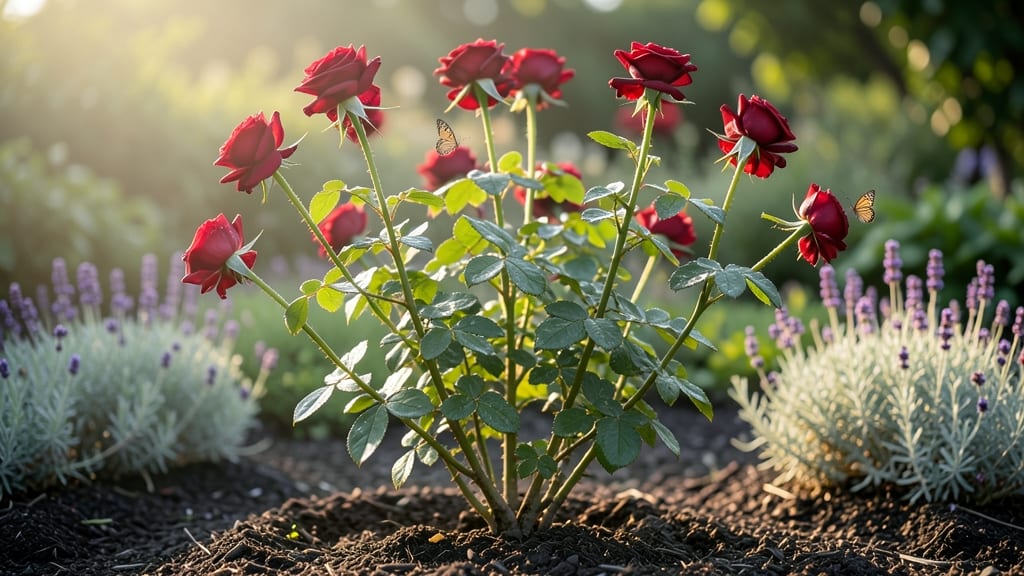
Growing long-stem roses that last through vase life starts with the right bush and a few clever pruning tricks. ✂️ My first attempt with hybrid teas ended in floppy stems and sad blooms—until I learned how to shape the plant for strength and length.
The secret isn’t just cutting back; it’s training the bush to grow upward like a vase-worthy stalk.
You’ll need disease-resistant varieties like ‘Double Delight’ or ‘Mister Lincoln,’ well-draining soil, and a support system (think bamboo stakes or a trellis) to guide those stems skyward. Prune in late winter to remove crowded canes, then make your first cut just above an outward-facing bud to encourage upward growth.
Within 6-8 weeks, you’ll see stems reaching 24-36 inches—long enough for dramatic bouquets.
By summer, you’ll be harvesting stems that last 10+ days in water, their petals unfurling like silk ribbons. The bush stays lush because you’re pruning for both quantity and quality—not just more blooms, but better stems. Even in winter, a light trim keeps the plant healthy for next season’s harvest.
This method works for any climate (adjust pruning timing for zones 5-9) and even small spaces. The key is patience: those long stems don’t grow overnight, but once you master it, you’ll never buy roses again. Let’s get those canes climbing!
📚 In This Guide
- What you need
- Instructions
- Tips and common mistakes
- Wrapping up and next steps
What you need
- ● Long-stem rose bushes (choose disease-resistant varieties like 'David Austin' or 'Knock Out' roses for hardiness).
- ● Pruning shears (sharp, bypass-style, 6-8 inches long).
- ● Gloves (heavy-duty, long-sleeved for thorn protection).
- ● Disinfectant (70% isopropyl alcohol or bleach solution to sterilize tools).
- ● Compost or organic mulch (2-3 inches for soil enrichment).
- ● Balanced fertilizer (10-10-10 or rose-specific formula, 2-3 tbsp per bush).
- ● Watering can or hose with a gentle spray nozzle (1-2 gallons per bush during dry spells).
- ● Stakes or supports (4-6 ft bamboo or metal stakes for tall stems).
- ● Pruning saw for thick, woody stems.
- ● Rose food (high-phosphorus for blooming).
- ● Copper fungicide (preventative for black spot).
- ● Garden twine for securing stems to supports.
- ○ Pruning sealant (optional for large cuts to prevent disease).
How to prune long-stem roses for year-round blooms
Here's the method I rely on to keep roses flowering continuously—no more seasonal bursts, just steady, fragrant stems all year.
✂️ Step 1: Understand the Pruning Zones and Timing
Long-stem roses bloom on both old and new wood, so timing matters. Start your first pruning in late winter or early spring when the plant is still dormant but buds are swelling. Look for 5-leaf clusters—these are your growth points. Prune just above the outer leaf of the cluster at a 45-degree angle to prevent water pooling.
Real talk: If you prune too early, you'll cut off next year's blooms. If you wait too late, you risk disease from sap buildup. The swelling buds are your signal—when you see them, it's time. I always prune on a dry, sunny day to minimize stress on the plant.
✂️ Step 2: Shape the Bush and Encourage New Growth
Remove any dead, diseased, or crossing branches first—these compete with healthy growth. Aim to open up the center of the bush so air circulates freely. For each remaining stem, cut back to an outward-facing bud to encourage branches to grow away from the center. This creates a rounded, vase-like shape that supports long, sturdy stems.
Here's the thing—long-stem roses respond best to gradual pruning. After the initial spring cut, do a light shaping every 4-6 weeks to remove spent blooms and encourage new growth. You'll see fresh buds forming within 2-3 weeks of each pruning session, keeping the blooms coming.
🌿 Step 3: Deadhead and Maintain Through the Growing Season
Deadheading isn't just about looks—it's how you trick the rose into producing more blooms. As soon as a bloom fades, snip the stem back to the nearest 5-leaf cluster or outward-facing bud. This prevents the plant from wasting energy on seed production and redirects it to new growth.
I always use clean, sharp pruners and dip them in rubbing alcohol between cuts to prevent spreading disease. Watch for new buds forming within 10-14 days after deadheading—this is your reward for staying on top of it. If you see buds forming but no stems, you might be pruning too aggressively.
☀️ Step 4: Prepare for Winter Dormancy and Next Year's Blooms
In late fall, do a final light pruning to remove any weak or crossing branches. Leave the rest of the stems intact—they'll protect the plant's center over winter. Mulch the base with 2-3 inches of organic mulch to insulate the roots and retain moisture. This is the time to step back and let the plant rest.
Don't skip this step—I learned the hard way that over-pruning in winter can leave the plant vulnerable to frost damage. The goal is to wake up in spring with a strong, healthy bush ready to bloom again. If your climate gets harsh winters, consider wrapping the bush in burlap or using a rose cone for extra protection.
⏰ Step 5: Adjust for Seasonal Blooming Patterns
Long-stem roses can bloom continuously if you stay consistent. After the first flush of spring blooms, you'll notice a lull—this is normal. Increase watering slightly during this time and fertilize lightly with a balanced rose fertilizer to encourage new growth. You'll see the second wave of blooms start in 6-8 weeks.
Here's my secret: I prune lightly again in mid-summer to remove any leggy growth or spent blooms. This keeps the plant compact and encourages a final flush of fall blooms. With this approach, you can enjoy long-stem roses from spring through frost, and even into winter with proper care.
Tips & tricks for perfect long-stem rose bushes
These simple techniques will transform your rose bushes into year-round blooming powerhouses—no more waiting for seasonal bursts.
Timing is Everything: The late winter/early spring pruning window is critical—it's when the plant is just waking up but still dormant. I can't stress this enough: prune too early, and you'll cut off next year's blooms; too late, and you risk sap buildup that invites disease. Look for those swelling buds as your green light. Pro tip: If you're in a warmer climate, adjust your timing slightly—prune when you see the first signs of new growth rather than waiting for traditional winter cues.
The 45-Degree Angle Secret: That angled cut isn't just for show—it prevents water from pooling at the cut site, which could lead to rot. Make your cuts just above the outer leaf of the 5-leaf cluster, and always cut at a 45-degree angle. I use my pruners like I'm making a clean, deliberate slice rather than hacking—this precision makes all the difference in how quickly the plant recovers and grows.
Gradual Pruning Pays Off: The 4-6 week maintenance schedule between spring and fall is what keeps those blooms coming. I treat each pruning session like a conversation with the plant—remove what's spent, encourage what's growing. You'll notice new buds forming within 2-3 weeks after each session, and that's your reward for consistency. Think of it as a rhythm rather than a chore: prune, wait, prune again.
Winter Prep Matters: That late fall pruning isn't about removing much—it's about preparing the plant for dormancy. Leave those stems intact to protect the center, and that 2-3 inches of organic mulch is your insulation blanket. I've seen roses survive harsh winters with this protection that would otherwise have been damaged. For extra insurance in cold climates, wrap the bush in burlap or use a rose cone—it's worth the effort to wake up to healthy bushes in spring.
Pro Tips for Long Stem Roses Bushes
- These simple techniques will transform your rose bushes into year-round blooming powerhouses—no more waiting for seasonal bursts.
- Timing is Everything: The late winter/early spring pruning window is critical—it's when the plant is just waking up but still dormant.
- The 45-Degree Angle Secret: That angled cut isn't just for show—it prevents water from pooling at the cut site, which could lead to rot.
Frequently asked questions
Got questions about growing long-stem roses from bushes? You’re not alone! Here are some of the most common queries—and their answers—to help you cultivate stunning, fragrant blooms year after year.
How do I encourage longer stems on my rose bushes?
Prune strategically by removing dead or weak canes in late winter or early spring, leaving 5-7 buds per stem. For longer stems, thin out crowded canes to improve airflow and sunlight exposure. Fertilize with a balanced rose food (like 10-10-10) in early spring to promote vigorous growth. Pro tip: Avoid heavy nitrogen—it boosts foliage over flowers!
When is the best time to prune for long-stem roses?
The ideal time is late winter or early spring (just before new growth starts). For hybrid teas and grandifloras, prune in February-March; for climbers, wait until March-April. Never prune in fall—it leaves stems vulnerable to frost damage. If you miss the window, a light trim in early spring still works!
Can I grow long-stem roses in containers, or do they need a garden bed?
Dwarf or patio rose varieties (like 'Knock Out' roses) thrive in containers with well-draining soil and 10+ inches of depth. Use a large pot (18"+ diameter) and repot every 2-3 years. Place in full sun (6+ hours/day) and water deeply 2-3 times weekly during blooming season.
Why aren’t my rose stems growing long, even after pruning?
Check for these common issues:
- Poor soil: Amend with compost or organic matter for nutrients.
- Overcrowding: Space bushes 3-4 feet apart for airflow.
- Pests/disease: Inspect for aphids, black spot, or powdery mildew—treat with neem oil or fungicide.
- Underwatering: Roses need 1-2 inches of water weekly (deep soak, not surface sprinkles).
How do I keep long-stem roses blooming all season?
Deadhead spent blooms regularly to encourage new growth. Feed with a low-nitrogen, high-phosphorus fertilizer (like 5-10-5) every 4-6 weeks during blooming season. Mulch around the base (2-3 inches) to retain moisture and protect roots. For repeat bloomers, prune lightly after the first flush of flowers to promote secondary blooms.
Wrapping up and next steps
Transforming your garden into a fragrant paradise with long-stem roses bushes is easier than you think! By mastering smart pruning techniques, you’ll enjoy year-round blooms and intoxicating scents—no green thumb required. The key? Consistency, patience, and a little seasonal know-how.
Ready to dive in? Start by observing your bushes this week—notice their growth patterns, dead branches, and budding spots. Then, grab your pruners and follow the step-by-step guide to give your roses the care they deserve. Your garden (and future bouquets!) will thank you. 🌹✨