
Pruning
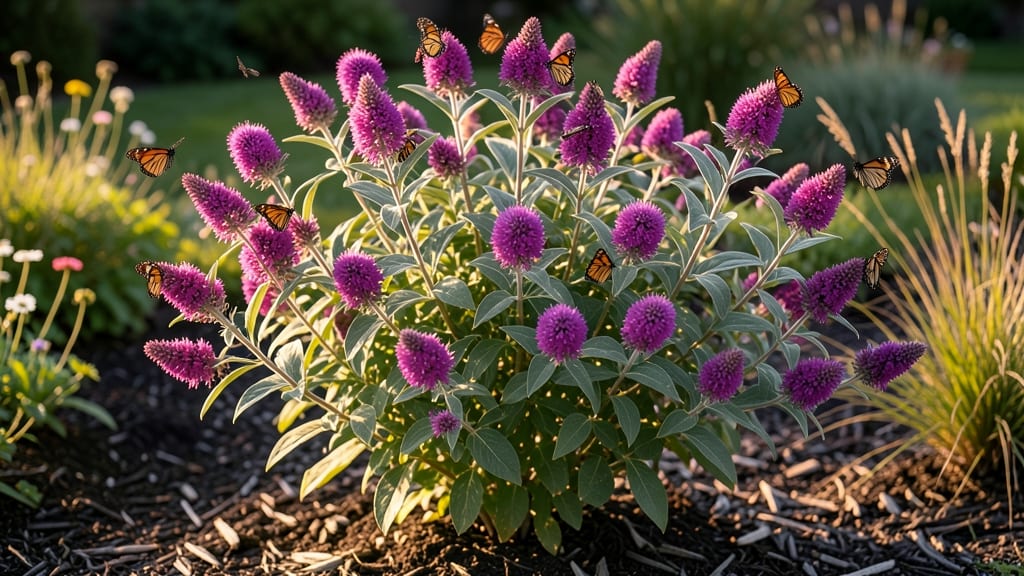
Your garden could burst with year-round color and fragrance from a single plant. 🌸 The multi-color butterfly bush (Buddleia 'Lo & Behold') isn’t just a pollinator magnet—it’s a living rainbow that keeps blooming from spring to frost, with deadheading tricks that extend its show even longer.
I planted mine last year, and now it’s the star of my borders, drawing hummingbirds and butterflies while adding vibrant pops of purple, pink, and white to every season.
What makes this bush so special isn’t just its bold, layered blooms but how effortlessly it fits into any garden style. Cottage gardens love its airy, slightly wild look, while urban spaces benefit from its drought tolerance and compact growth.
Pair it with lavender for a purple-hued border, or mix in salvias and coneflowers for a butterfly buffet that thrives all summer. The key? Placing it where it gets full sun—and knowing exactly when to trim for continuous blooms.
By deadheading spent flowers every 2-3 weeks, you’ll trigger new growth, keeping your bush lush and productive. The fragrance alone is worth it—sweet and honey-like, it lingers in the breeze, drawing pollinators while filling your garden with life.
Imagine purple stems contrasting with creamy blooms, all while your yard becomes a haven for monarchs and bees. It’s the kind of plant that makes neighbors stop and ask, “What is that?”
Works in borders, containers, or as a standalone focal point, even in small spaces. The secret to its success? A little pruning know-how and the right companions. Let’s turn your garden into a pollinator paradise—one bloom at a time.
📚 In This Guide
- What you need
- Instructions
- Tips and common mistakes
- Wrapping up and next steps
What you need
- ● Multi-color butterfly bush plants: 1-3 mature plants (depending on garden size; opt for Buddleia davidii varieties like 'Lo & Behold® Purple Haze' or 'Pink Microbud' for bold hues).
- ● Pruning shears: 1 pair of bypass pruners (sharp, clean, and disease-free; avoid anvil pruners to prevent crush damage).
- ● Gloves: 1 pair of gardening gloves (nitrile-coated for grip and protection from thorns).
- ● Disinfectant: 70% rubbing alcohol or bleach solution (1 part bleach to 9 parts water) to sterilize tools between cuts.
- ● Compost or mulch: 1-2 bags of organic compost (for replenishing soil after pruning).
- ● Watering can or hose: 1 with a gentle spray nozzle (butterfly bushes hate soggy roots!).
- ● Pruning saw: 1 (for thicker stems; avoid if your bush is young).
- ● Plant food: 1 bottle of balanced, slow-release fertilizer (10-10-10 ratio; apply post-pruning in early spring).
- ● Stakes or supports: 3-4 bamboo stakes (if your bush is top-heavy or in a windy area).
- ● Deadheading scissors: 1 pair of small, sharp scissors (for precision trimming of spent blooms).
- ● Garden journal: 1 (to track pruning dates, weather, and bloom cycles—pro tip: 💡 note when you prune for continuous color!).
Instructions for cultivating a vibrant multi-color butterfly bush
Here’s how to coax year-round blooms from your butterfly bush using precise pruning and seasonal care.
🌱 Step 1: Plant in Full Sun and Well-Draining Soil
Choose a location with at least 6-8 hours of direct sunlight daily—butterfly bushes thrive in full sun but tolerate partial shade in hotter climates. Dig a hole twice as wide as the root ball to encourage root spread. The soil should drain quickly; amend heavy clay with 2-3 inches of compost to improve aeration and nutrient availability.
Position the plant so the top of the root ball sits 1 inch above ground level. This prevents waterlogging, which can rot stems. Backfill with native soil mixed with compost, then water deeply to settle everything. You’ll know it’s right when water drains within 30 minutes—no standing puddles.
✂️ Step 2: First-Year Pruning for Bushy Structure
In the first growing season, prune only to remove any dead or crossing branches. Avoid heavy cutting—you want the plant to establish a strong root system. Focus on shaping by pinching back the tips of new growth in early summer to encourage branching. This prevents leggy growth and creates a denser bush for more blooms.
Use clean, sharp pruners to make cuts just above a leaf node or bud. You’ll see new shoots emerge from these nodes within 2-3 weeks. Avoid pruning after early fall; the plant needs time to harden off before winter. Real talk: Over-pruning in the first year delays flowering.
🌿 Step 3: Deadhead for Continuous Blooms
Deadheading is the secret to year-round fragrance. As soon as a flower cluster fades, snip it back to the first set of healthy leaves below the bloom. This redirects the plant’s energy into producing new flowers instead of seed pods. Aim to deadhead every 2-3 weeks during the growing season.
Use sharp pruners to avoid crushing stems, and make cuts at a 45-degree angle just above a leaf node. You’ll notice new buds forming within 10-14 days—this is your reward for consistent deadheading. In late summer, reduce pruning to allow some seed heads to form; this signals the plant to prepare for winter.
⏰ Step 4: Seasonal Maintenance for Longevity
In early spring, prune back any dead or weak growth to 12-18 inches from the ground. This rejuvenates the plant and encourages vigorous new growth. Avoid heavy pruning in late summer—it can stimulate tender growth that won’t survive frost. Mulch around the base with 2-3 inches of organic mulch to retain moisture and regulate soil temperature.
Water deeply once weekly during dry spells, aiming for 1-1.5 inches of water per week. You’ll know it’s enough when the top 2-3 inches of soil feel moist. Butterfly bushes are drought-tolerant once established, but consistent moisture in the first year ensures robust growth. Fertilize lightly in early spring with a balanced 10-10-10 formula to support blooming.
Tips & tricks for perfect multi-color butterfly bush blooms
Here's what nobody tells you about keeping your butterfly bush vibrant and fragrant all year long.
Sunlight Strategy: While the instructions call for at least 6-8 hours of direct sunlight, I've found that morning sun paired with afternoon shade in hot climates actually preserves more delicate blooms. The key is to avoid the harshest afternoon rays that can scorch petals—especially for the more sensitive multi-colored varieties. If your bush starts showing leaf burn, move it slightly to filter some of that midday intensity.
Pruning Precision: When you're pinching back tips in early summer (Step 2), focus on creating a natural, rounded shape rather than perfectly symmetrical. The plant's natural branching pattern often creates more interesting floral displays. I've noticed that leaving a few slightly longer branches creates stunning vertical accents that catch more sunlight and attract even more butterflies. Just remember—those 2-3 weeks for new shoots to appear is non-negotiable for establishing strong growth.
Deadheading Discipline: The every-2-to-3-week deadheading schedule in Step 3 works beautifully, but here's my secret: I mark my calendar with reminders. When you see those new buds forming in 10-14 days, it's incredibly satisfying—it's like getting instant feedback that your efforts are paying off. Pro tip: Use a small pair of scissors for deadheading rather than your pruners to avoid accidentally cutting into healthy stems. The 45-degree angle cut helps water run off better and prevents rot.
Seasonal Transition: That early spring pruning back to 12-18 inches (Step 4) is your chance to really shape your bush. I like to visualize the plant's mature form and make cuts that will create that shape. The 2-3 inches of organic mulch is crucial—it's not just about moisture retention, but also about protecting roots from temperature swings. In colder climates, I add an extra inch of mulch for winter protection, which helps prevent frost damage to the stems.
Pro Tips for Multi Color Butterfly Bush
- Here's what nobody tells you about keeping your butterfly bush vibrant and fragrant all year long.
- Sunlight Strategy: While the instructions call for at least 6-8 hours of direct sunlight, I've found that morning sun paired with afternoon shade in hot climates actually preserves more delicate blooms.
- Pruning Precision: When you're pinching back tips in early summer (Step 2), focus on creating a natural, rounded shape rather than perfectly symmetrical.
Frequently asked questions
Got questions about keeping your multi-color butterfly bush blooming and fragrant all season?
Here are some of the most common ones—and their answers!
How often should I deadhead my butterfly bush to encourage more blooms?
Deadhead spent flowers every 1-2 weeks during peak bloom (spring to fall). For continuous color, trim back by 1/3 after the first flush, then prune lightly after each blooming cycle. Pro tip: Use clean, sharp shears to avoid damaging stems!
When is the best time to prune for year-round fragrance?
Prune late winter or early spring (before new growth starts) to shape the bush and remove dead wood. For extended blooming, do a light trim after each major bloom cycle (summer/fall). Avoid heavy pruning in fall—it can reduce next year’s flowers!
Can I grow a multi-color butterfly bush in containers? If so, what size pot do I need?
Yes! Use a 5-gallon pot or larger with drainage holes. Choose a well-draining potting mix and repot every 2-3 years. Place in full sun (6+ hours/day) and water when the top inch of soil is dry. Bonus: Containers make deadheading easier!
Why aren’t my butterfly bush flowers as vibrant as they should be?
Dull colors often mean nutrient deficiency or overcrowding. Feed with a balanced fertilizer (10-10-10) in spring, and thin out dense growth. Pests like aphids can also sap energy—spray with neem oil if needed. Check soil pH too!
Are there alternatives to butterfly bush for pollinators with less maintenance?
Try butterfly weed (Asclepias tuberosa) or bee balm (Monarda)—both attract pollinators with less aggressive growth. Russian sage (Perovskia) is another drought-tolerant option. Just deadhead occasionally for best results!
How do I protect my butterfly bush in winter?
Most varieties are hardy to USDA Zone 5, but young plants or Zone 4 gardens need mulch (3-4 inches) around the base. Avoid heavy pruning in fall—wait until late winter to shape. Evergreen varieties may need light winter protection!
Wrapping up and next steps
Transforming your garden into a vibrant, fragrant haven with a multi-color butterfly bush is easier than you think! By mastering the art of deadheading, you’ll enjoy year-round blooms and a burst of color that attracts pollinators while keeping your plant thriving.
The key? Consistency and a little TLC—your efforts will pay off in a stunning, low-maintenance display that brings joy season after season.
Ready to take the next step? Grab your pruners, pick a sunny day, and start deadheading today! 🌸 Your butterfly bush—and your garden—will thank you.