
Pruning
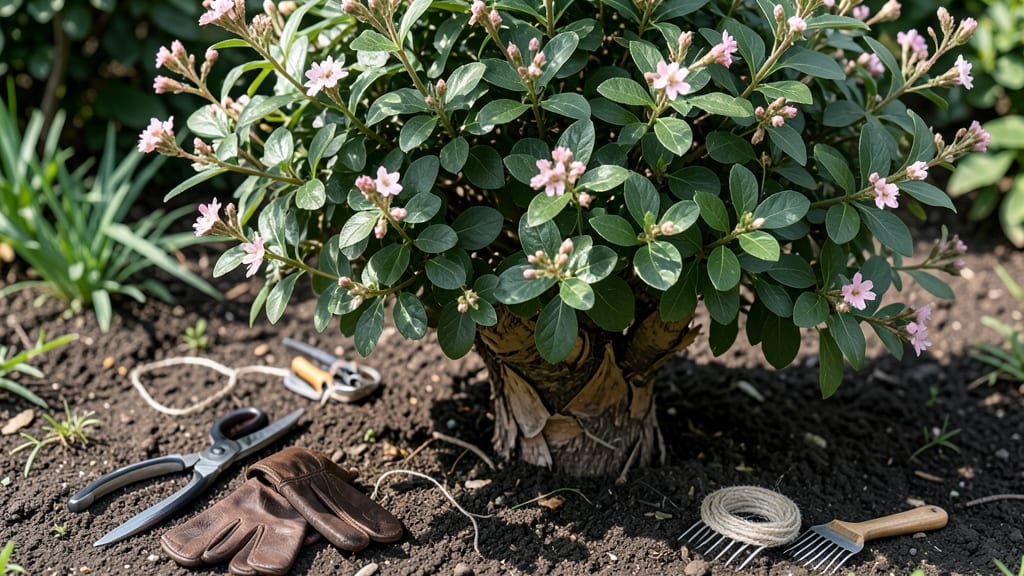
Ninebark bush pruning transforms a wild tangle into a showstopping landscape feature that blooms reliably for decades. 🌿 I’ve pruned mine every year since planting, and the difference between my first messy attempt and now—sleek, layered branches with fresh spring growth—is night and day.
The key isn’t just cutting; it’s understanding when and why to shape this tough, adaptable shrub.
You’ll need just three tools: sharp bypass pruners, loppers for thicker stems, and a pair of gloves (ninebark’s stems bleed sap, which stains!). Timing matters most: prune late winter/early spring before buds swell, or right after summer blooms fade.
This keeps the plant’s energy focused on new growth rather than repairing old cuts. A quick 30-minute session now means fewer dead branches and more vibrant foliage all season.
What you’ll end up with is a ninebark that stays compact, full, and disease-free—no more leggy branches or bare spots. The layered look isn’t just pretty; it encourages air circulation, reducing powdery mildew and pests.
Even better, your shrub will reward you with longer bloom seasons and thicker stems that hold up to winter winds. It’s the kind of pruning that makes neighbors ask, “What’s your secret?”
Works for both formal hedges and loose, natural shapes—just adjust the cuts. And don’t worry if you’ve never pruned before: ninebark forgives mistakes better than most shrubs. Let’s get those branches looking intentional!
📚 In This Guide
- What you need
- Instructions
- Tips and common mistakes
- Wrapping up and next steps
What you need
- ● Pruning shears: Bypass pruners (sharp, clean blades) for cuts under ½ inch in diameter.
- ● Loppers: Bypass or anvil type (for thicker branches, 1–2 inches in diameter).
- ● Hand pruners: For precision trimming (smaller branches or shaping).
- ● Gloves: Heavy-duty gardening gloves (to protect from thorns and rough bark).
- ● Disinfectant: Rubbing alcohol (70%+) or bleach solution (1 part bleach to 9 parts water) to sterilize tools between cuts.
- ○ Pruning sealant: Optional but helpful for larger cuts (e.g., tree wound paint or pruning paste).
- ● Bucket or bag: For collecting pruned branches (small or large, depending on volume).
- ● Hose or water source: To clean tools and rinse cuts if needed.
- ● Extension pole: For hard-to-reach branches (attachable to loppers or shears).
- ● Safety glasses: To shield eyes from debris (especially if pruning thick branches).
- ● Knee pads: For comfort if you’ll be kneeling or crouching.
- ● Sharpener: A small file or honing tool to keep blades razor-sharp mid-pruning.
- ● Notebook & pen: To sketch a pruning plan or track growth over time.
Step-by-step ninebark bush pruning for year-round beauty
Ninebark thrives when pruned right—here’s how to keep it lush and healthy with seasonal precision.
⏰ Step 1: Prune in Late Winter for Structure
Wait until just before new growth begins, usually in late February or early March when buds swell but haven’t yet opened. This is your chance to reshape the bush by removing up to one-third of the oldest stems at the base. I grab my bypass pruners and cut back to a healthy outward-facing bud—never leave stubs longer than ¼ inch.
Look for stems that are woody, dead, or crossing—these compete with new growth. The goal is to open up the center and encourage airflow. You’ll see fresh green shoots emerge within 2-3 weeks, signaling your cuts were in the right place.
✂️ Step 2: Light Pruning in Early Summer
After flowering, give your ninebark a light trim in June or July to maintain its shape. Remove any dead, diseased, or weak stems first—these stand out because they’re brown or hollow. Then, cut back any branches that grew too long or look leggy, trimming just above a leaf node (the bump where leaves attach).
This isn’t about drastic changes—think of it as a quick tidy-up. You’ll notice the bush looks fuller and more balanced within 4-6 weeks as new growth fills in. Avoid cutting into old wood (the brown, peeling bark)—this won’t regrow.
🌿 Step 3: Fall Cleanup for Winter Prep
In October or November, focus on removing any remaining deadwood and thinning out overly dense branches. Ninebark’s peeling bark is stunning, but crowded stems can trap moisture and invite pests. Cut back any suckers (shoots growing from the base) to redirect energy into the main plant. Use clean, sharp pruners to avoid tearing the bark.
This is also the time to reduce watering—ninebark is drought-tolerant once established, and fall pruning helps it enter dormancy stronger. You’ll see fewer bare spots in spring if you keep the center open now.
🌱 Step 4: Spring Maintenance for New Growth
As new leaves unfurl in April or May, do a final check for broken, crossing, or misplaced branches. Snip them back to a healthy bud at a 45-degree angle to encourage healing. Avoid heavy pruning now—you’ll stress the plant when it’s already pushing new growth. Instead, focus on shaping and removing any deadheads from last year’s flowers.
This is the moment that matters: if you’ve pruned correctly in winter and summer, your ninebark should look full, vibrant, and ready for another season of blooms. Watch for fresh red or green stems emerging—these are your signal that everything’s on track.
Tips & tricks for perfect ninebark bush pruning
These simple strategies will help you prune like a pro and keep your ninebark thriving all year.
Timing is Everything: Pay close attention to those seasonal windows—late February/March for winter pruning, June/July for summer maintenance, October/November for fall cleanup, and April/May for spring shaping. I learned this the hard way after pruning too early in spring and accidentally removing buds that were just about to bloom. The key is always waiting until you see those first signs of new growth or fresh leaves unfurling.
The 1/3 Rule: When pruning in late winter, remember the one-third guideline: never remove more than one-third of the oldest stems at once. This maintains the plant's health and ensures it has enough energy to produce new growth. I mark the stems I'm cutting with a ribbon before making any cuts to visualize that one-third limit—it's a game-changer for avoiding over-pruning.
Cutting Technique Matters: Always cut at a 45-degree angle just above a healthy outward-facing bud or leaf node. This angle helps water run off the cut, preventing rot. I also make sure my bypass pruners are razor-sharp—dull blades tear the bark and create larger wounds that take longer to heal. A quick test: if your pruners struggle to cut through a pencil, they need sharpening.
Seasonal Focus: Each season has a different purpose. In winter, you're removing old growth to make room; in summer, you're maintaining shape; in fall, you're preparing for dormancy; and in spring, you're just tidying up. I keep a small notebook by my pruners to jot down what I did each season so I can track the plant's progress year after year.
Pro Tips for Ninebark Bush Pruning
- These simple strategies will help you prune like a pro and keep your ninebark thriving all year.
- Timing is Everything: Pay close attention to those seasonal windows—late February/March for winter pruning, June/July for summer maintenance, October/November for fall cleanup, and April/May for spring shaping.
- The 1/3 Rule: When pruning in late winter, remember the one-third guideline: never remove more than one-third of the oldest stems at once.
Frequently asked questions
Got questions about keeping your Physocarpus (ninebark) bush looking its best? Here are some of the most common concerns—plus straightforward answers to help you prune like a pro!
When is the best time to prune a ninebark bush?
For general shaping, late winter or early spring (just before new growth starts) is ideal. If you’re removing dead or diseased branches, do it anytime. For flowering, prune right after blooming (usually late spring) to avoid cutting off next year’s blossoms. Pro tip: Avoid heavy pruning in fall—it can stimulate tender new growth that won’t survive winter!
How much can I trim a ninebark bush back?
Ninebark is tough and can handle up to 1/3 of its total volume in a single pruning session. For dramatic shaping (like rejuvenation), cut back old stems to the ground—they’ll regrow! Just avoid over-pruning, as ninebark responds best to gradual shaping. Warning: Never remove more than 50% in one go, or you risk stressing the plant.
Why does my ninebark bush have brown, crinkly leaves after pruning?
Those crinkly, brown leaves are likely caused by leaf curl aphids or fungal issues (like powdery mildew). Pruning too late in the season can also stress the plant, making it vulnerable. Fix it: Remove affected leaves, improve air circulation, and apply neem oil or fungicide if needed. Bonus tip: Prune in the morning to let wounds dry faster and reduce disease risk!
Can I prune a ninebark bush into a hedge?
Ninebark is hedge-friendly—just give it regular trims (every 4–6 weeks in growing season) to maintain shape. Use sharp shears for clean cuts, and avoid "lion’s tailing" (cutting too close to the stem). For a formal hedge, prune lightly in spring and more aggressively in summer. Pro move: Space plants 3–4 feet apart for a dense, lush barrier!
What if I missed the best pruning time—can I still fix it?
Don’t panic! Ninebark is forgiving. If you skipped spring pruning, lightly shape it now (avoid heavy cuts) to encourage new growth. For late-summer pruning, focus on removing dead wood and thinning out crowded branches. Just avoid major structural cuts—save big changes for next year’s dormant season. Remember: Better late than never!
Wrapping up and next steps
Mastering ninebark bush pruning is your ticket to a lush, vibrant garden year-round! 🌿 With the right tools, timing, and techniques—like deadheading, shaping, and seasonal trims—you’ll keep your ninebark bush thriving, healthy, and stunning.
Whether you’re a pruning pro or just starting, every snip brings you closer to a garden you’ll love.
Ready to take the next step? Grab your pruners, review your notes, and schedule that first trim! Your ninebark bush—and your garden—will thank you. 🌟