
Shrubs
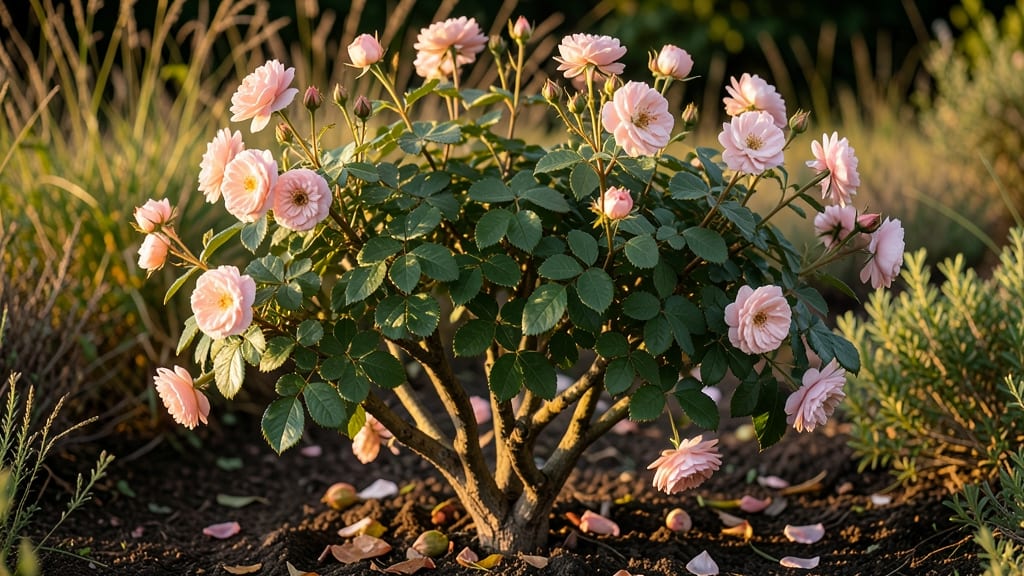
Old-fashioned rose bushes bring the romance of a bygone era to any garden. ✨ Their velvety petals and intoxicating fragrance make them the stars of cottage-style gardens, where they spill over trellises and climb rustic fences.
Unlike modern roses, these varieties bloom in lush clusters that perfume the air for weeks, creating the kind of charm that makes neighbors pause to admire.
The key to their timeless appeal lies in their versatility—plant them near a porch for morning sun and afternoon shade, or let them mingle with lavender and peonies for a dreamy English garden vibe.
Their sturdy canes also make them perfect for hedges or focal points, where their arching branches frame pathways like living art. You’ll love how they pair with classic perennials like delphiniums or hollyhocks, creating a garden that feels like a storybook.
The scent alone—sweet, old-fashioned, and impossible to resist—will have you reaching for your gardening gloves every spring. These roses thrive in well-drained soil and full sun, making them surprisingly low-maintenance for their dramatic impact.
Once established, they reward you with years of blooms, proving that true elegance never goes out of style.
📚 In This Guide
- What you need
- Instructions
- Tips and common mistakes
- Wrapping up and next steps
What you need
- ● Old-fashioned rose bushes: Choose 2-5 bare-root or container-grown varieties (e.g., Rosa 'Old Blush', Rosa 'Souvenir de la Malmaison', or Rosa 'Louis Philippe'). Opt for healthy plants with strong canes and vibrant buds.
- ● Shovel or spade: A sturdy digging tool to prepare planting holes (12-18 inches deep and wide).
- ● Garden trowel: For finer adjustments and planting smaller roots.
- ● Compost or well-aged manure: 5-10 gallons to enrich the soil and improve drainage.
- ● Rose fertilizer: A balanced, organic option (e.g., 10-10-10 or rose-specific blend) to kickstart growth.
- ● Mulch (e.g., wood chips or straw): 2-3 inches to retain moisture and suppress weeds.
- ● Garden hose or watering can: With a gentle spray nozzle for thorough watering.
- ● Pruning shears: Sharp, clean shears (disinfected with rubbing alcohol) for trimming dead or damaged canes.
- ○ Staking materials (optional but recommended): 3-4 bamboo stakes (4-5 feet tall) and soft garden twine for support.
- ● Soil pH test kit: To ensure your soil is slightly acidic (pH 6.0-6.5), ideal for roses.
- ● Epsom salt: 1 tablespoon per plant to boost magnesium levels (great for vibrant blooms!).
- ● Rose-specific fungicide: Like Neem oil or copper fungicide to prevent black spot or powdery mildew.
- ● Decorative trellis or arbor: For climbing varieties like Rosa 'New Dawn' to add vertical interest.
- ● Garden gloves: To protect your hands from thorns and dirt.
How to plant and care for old-fashioned rose bushes
Classic roses bring timeless beauty to any garden—here’s how to plant and nurture them like a pro.
🌱 Step 1: Choose the Right Location
Old-fashioned roses thrive in full sun, with at least 6-8 hours of direct sunlight daily. I always pick the sunniest spot in my garden because roses reward generous light with lush blooms. Avoid low-lying areas where cold air settles—roses hate soggy roots and late frosts.
Test the soil by digging a small hole. If it feels compacted or clay-heavy, mix in 2-3 inches of compost to improve drainage. The goal is loose, well-draining soil that mimics their natural woodland edges. You’ll know you’ve chosen well when new growth appears vibrant and healthy within weeks.
☀️ Step 2: Plant at the Right Time and Depth
Plant bare-root roses in early spring or fall, when soil temperatures stay above 40°F but before summer heat. Dig a hole twice as wide as the root ball but no deeper—roses hate having their graft unions buried too deep, which weakens growth. Loosen the roots gently before placing the bush in the hole.
Spread the roots outward and backfill with soil, pressing lightly to remove air pockets. Water deeply right after planting to settle the soil and encourage root contact. The top of the root ball should sit 2-3 inches below soil level—this prevents the graft union from drying out while keeping the plant stable.
💧 Step 3: Water and Mulch for Strong Growth
Water newly planted roses deeply once a week, soaking the soil to 12-18 inches down. You’ll know it’s enough when water runs out the drainage holes at the bottom of the hole. Avoid shallow watering—roses need deep hydration to establish strong roots. In hot climates, water twice a week instead.
Apply 3-4 inches of mulch around the base (but not touching the stem) to retain moisture and suppress weeds. I use shredded bark or straw because they break down slowly and improve soil structure over time. Replenish mulch in spring to keep roots cool and hydrated.
✂️ Step 4: Prune for Classic Shape and Health
Prune old-fashioned roses in late winter or early spring, before new growth begins. Remove dead, crossing, or weak branches first—this opens the center for better airflow and sunlight. Cut just above an outward-facing bud at a 45-degree angle to encourage strong regrowth.
Shape the bush by trimming back overgrown branches by one-third to maintain its classic, rounded form. Avoid heavy pruning in fall—it stresses the plant before dormancy. You’ll see fresh, green shoots within 2-3 weeks of pruning, signaling the plant is recovering beautifully.
🌿 Step 5: Feed and Protect for Longevity
Fertilize roses in early spring with a balanced rose fertilizer (10-10-10 or similar). Follow package instructions for amounts—overfeeding can burn roots and reduce blooms. I also add compost tea every 4-6 weeks during the growing season for a gentle nutrient boost without harsh chemicals.
Watch for pests like aphids or Japanese beetles, which love tender rose leaves. Spray with neem oil at the first sign of trouble—it’s organic, effective, and won’t harm beneficial insects. Deadhead spent blooms regularly to encourage more flowers and keep the bush looking polished all season.
Tips & tricks for perfect old-fashioned rose bushes
Here's what nobody tells you about growing roses that'll make all the difference in your garden's elegance.
Sunlight Secret: Those 6-8 hours of sun aren't just about blooms—they're about the plant's overall health. I've noticed that roses in partial shade grow leggy and produce fewer flowers. If your garden has limited sun, consider planting in containers where you can move them to sunnier spots during peak daylight hours. Morning sun with afternoon shade works best in hot climates to prevent leaf scorch.
Planting Depth Matters: The 2-3 inches below soil level for the root ball is critical for the graft union—the part where the rose was attached to its rootstock. If you bury it too deep, the plant may struggle or even rot. I like to use a small stake to mark the correct depth before planting. After backfilling, gently press the soil around the roots but don't compact it—this prevents air pockets that can suffocate new growth.
Watering Wisdom: When watering deeply to 12-18 inches, I've found that using a soil probe or long screwdriver helps verify you're reaching that depth. The water should run out the drainage holes at the bottom of the hole—this tells me I've given the roots enough hydration. In my experience, early morning watering prevents fungal diseases by allowing foliage to dry completely before evening.
Pruning Timing: That 2-3 week window for new growth after pruning is your best indicator of success. I always prune just as buds begin to swell but before any green shows—this timing ensures you're cutting back old wood while leaving next year's growth intact. For old-fashioned roses, I avoid clean cuts; instead, I make slanted cuts just above outward-facing buds to encourage bushier growth patterns.
Pro Tips for Old Fashioned Rose Bushes
- Here's what nobody tells you about growing roses that'll make all the difference in your garden's elegance.
- Sunlight Secret: Those 6-8 hours of sun aren't just about blooms—they're about the plant's overall health.
- Planting Depth Matters: The 2-3 inches below soil level for the root ball is critical for the graft union—the part where the rose was attached to its rootstock.
Frequently asked questions
Got questions about nurturing old-fashioned rose bushes? You’re not alone! Here are some of the most common queries—plus straightforward answers to keep your garden thriving with timeless beauty.
What’s the best time to plant old-fashioned rose bushes?
Plant them in early spring or fall when temperatures are mild (50–70°F). This gives roots time to establish before extreme heat or cold. Avoid planting in summer—heat stress can stifle growth. Bare-root roses? Soak them overnight before planting!
How often should I prune old-fashioned roses?
Prune once a year in late winter or early spring (before new growth starts). Remove dead/diseased canes first, then shape the bush by cutting back to an outward-facing bud. Never top them like a hedge! Aim for ⅓ of the plant’s height—this encourages blooms and airflow.
What pests or diseases should I watch for?
Old-fashioned roses are tough but can face black spot, powdery mildew, or aphids. Prevent issues with proper spacing (3–4 ft apart) and regular watering at the base (avoid overhead sprinklers). For pests, spray with neem oil or introduce ladybugs. Fungicides help with fungal diseases—apply early!
Can I grow old-fashioned roses in containers?
Choose dwarf or climbing varieties (like ‘The Fairy’ or ‘Blaze’) and use a large pot (15+ gallons) with drainage holes. Mix potting soil with compost and fertilize monthly. Just ensure they get 6+ hours of sun daily—containers dry out faster than garden beds!
How do I revive a struggling old-fashioned rose bush?
Start with watering deeply 2–3 times a week (1–2 inches per week). Trim dead wood and check for root rot (smelly, mushy roots = replant in fresh soil). Feed with rose-specific fertilizer in spring and mulch to retain moisture. If it’s severely neglected, consider rejuvenation pruning (cut back ⅔ of the plant in late winter).
Wrapping up and next steps
Old-fashioned rose bushes bring a touch of timeless charm and romance to any garden, blending effortless beauty with resilience.
Whether you’re drawn to the delicate blooms of Rosa 'Souvenir de la Malmaison' or the robust elegance of Rosa 'Blanc Double de Coubert', these classic varieties offer enduring appeal that transcends fleeting trends. 🌹
Ready to cultivate your own slice of history? Start by selecting the perfect variety for your climate and space, then gather your tools and supplies.
With a little patience and care, you’ll soon be rewarded with fragrant, show-stopping blooms that turn heads—and hearts—for years to come. What’s your favorite old-fashioned rose? Share your pick in the comments and let’s inspire each other!