
Pruning
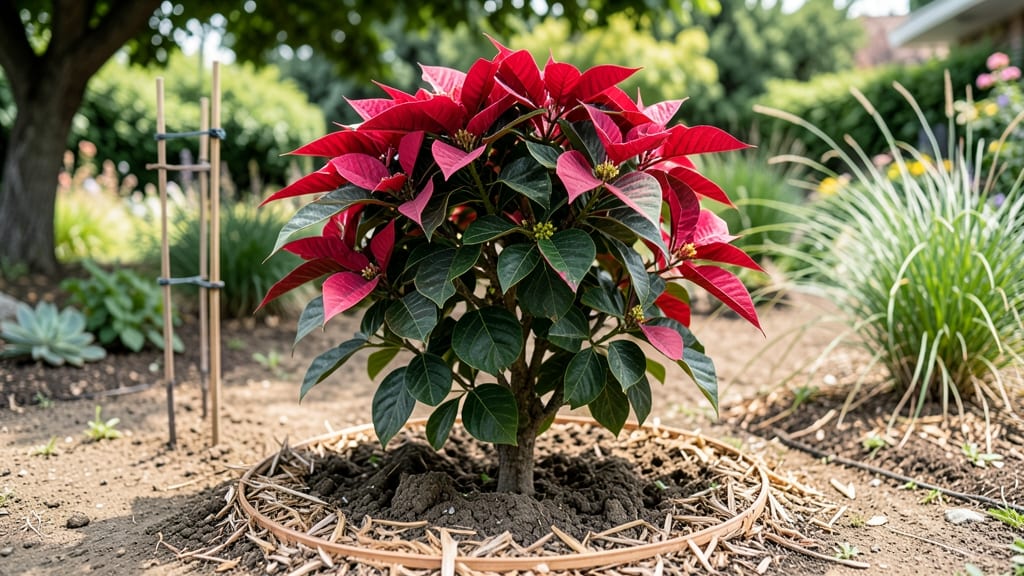
Growing an outdoor poinsettia bush that stays vibrant year-round feels like cheating—until you know the tricks. 🌿 Most people think poinsettias are just holiday plants, but with the right care, they’ll reward you with bold foliage and occasional blooms from spring through fall.
I’ve grown mine in containers for five years, and they’ve become the showstopper of my patio, even in summer heat. The key is treating it like a tropical shrub, not a seasonal guest.
These plants thrive in full sun to partial shade, well-draining soil, and consistent moisture—but they hate soggy roots. Varieties like ‘Tropical White’ or ‘Celebrity Red’ handle outdoor conditions better than traditional holiday types, which bolt in summer.
Start with a 5-gallon container if you’re in a cooler zone, or plant directly in the ground if your winters stay above 25°F. Once established, your poinsettia will grow 3-5 feet tall, with leaves that stay glossy and deep red (or whatever color you choose) for months.
The secret? Pruning lightly after blooms fade to encourage bushier growth, and feeding with a balanced fertilizer every 6-8 weeks. Frost kills them, so bring potted plants indoors before temperatures drop below 40°F.
This isn’t just about holiday color—it’s about transforming your outdoor space into a year-round tropical oasis. With the right variety and care, your poinsettia bush will outshine any store-bought plant and become the garden’s star performer.
📚 In This Guide
- What you need
- Instructions
- Tips and common mistakes
- Wrapping up and next steps
What you need
Ready to transform your outdoor space with a vibrant outdoor poinsettia bush? Here’s everything you’ll need to get started—from essential tools to optional upgrades for a thriving, year-round display! 🌿✨
🌱 Required Materials
- Poinsettia bush plants: 1–3 mature outdoor varieties (e.g., Euphorbia pulcherrima or cold-hardy hybrids like Euphorbia 'Winter Rose').
- Well-draining soil: 5–10 gallons of potting mix amended with perlite or sand (1 part perlite to 3 parts soil).
- Large containers or in-ground plot:
- Containers: 15–20 gallon pots with drainage holes (1 per plant).
- In-ground: Full-sun location with at least 6+ hours of light; amend soil with compost (10 lbs per 10 sq ft).
- Slow-release fertilizer: 10–12 oz of 10-10-10 or balanced organic fertilizer (e.g., fish emulsion).
- Mulch: 2–3 inches of organic mulch (e.g., pine bark or shredded leaves) to retain moisture.
🔧 Tools & Equipment
- Garden trowel or shovel for transplanting.
- Pruning shears (sterilized with rubbing alcohol).
- Watering can or hose with gentle spray nozzle (1–2 gallons per watering session).
- pH test kit (optional but helpful; ideal soil pH: 6.0–6.5).
- Gloves (latex or nitrile to avoid sap irritation).
🌡️ Prerequisites
- Climate zone: USDA Zones 9–11 (or Zones 7–8 with winter protection like burlap wraps or frost cloth).
- Sunlight: Minimum 4–6 hours of direct sun daily (morning sun preferred in hot climates).
- Water access: Regular irrigation (keep soil consistently moist but not soggy).
- Patience: Poinsettias thrive best with consistent care—color development takes 8–12 weeks of short-day treatment (12+ hours of darkness).
✨ Optional (But Helpful!) Extras
- Grow lights: LED full-spectrum bulbs for indoor overwintering (if in colder zones).
- Soil moisture meter to monitor watering needs.
- Decorative stakes or trellis for supporting taller varieties (e.g., Euphorbia 'Christmas Eve').
- Epsom salt (1 tbsp per gallon of water monthly) for magnesium boosts.
Step-by-step guide to growing a thriving outdoor poinsettia bush
Here’s how I’ve learned to coax vibrant, year-round color from these tropical beauties—no holiday-only limitations.
🌱 Step 1: Select the Perfect Plant and Location
Start with a healthy 6-inch-tall poinsettia bush from a nursery, not a holiday pot plant—those are bred for short-term color. Look for sturdy stems and deep green leaves with no yellowing. Choose a sheltered spot that gets morning sun and afternoon shade (direct afternoon sun scorches the leaves). I’ve found that east-facing locations work best in most climates.
Poinsettias thrive in USDA Zones 10-11 year-round, but if you’re in colder zones, treat them as tender perennials—bring them indoors before 35°F and replant after last frost. The key is consistent warmth—they wilt if exposed to sudden cold snaps. I always plant mine near a south-facing wall for extra winter protection.
☀️ Step 2: Plant in Well-Draining, Slightly Acidic Soil
Amend your garden soil with 3 inches of organic compost and a 50/50 mix of peat moss or coconut coir to improve drainage—poinsettias hate soggy roots. The ideal soil pH is 6.0-6.5 (slightly acidic). I test mine with a simple kit before planting and adjust with sulfur if needed. Dig a hole twice as wide as the root ball but only as deep—burying too deep suffocates the roots.
Water deeply right after planting until the soil is evenly moist 6 inches down, but don’t let it pool. Poinsettias need consistent moisture but never waterlogged conditions. I water mine every 2-3 days in summer, checking by sticking my finger 2 inches into the soil—if it’s dry, it’s time to water. Mulch with 2 inches of pine bark to retain moisture and regulate soil temperature.
💧 Step 3: Fertilize for Vibrant Foliage and Controlled Growth
Feed your poinsettia with a balanced, water-soluble fertilizer (10-10-10) every 4-6 weeks during the growing season (spring to fall). I switch to a low-nitrogen, high-phosphorus formula (5-10-10) in late summer to encourage bold leaf production—this is what makes the foliage pop year-round. Always water before fertilizing to prevent root burn.
Here’s the thing—over-fertilizing causes leggy growth. I’ve seen poinsettias stretch 12 inches tall in a month if overfed, but the stems get weak and flop. Pinch back the top 2-3 inches of new growth when the plant reaches 12 inches tall to encourage bushier growth. Do this 3 times over summer, and you’ll get a full, compact bush by fall.
✂️ Step 4: Prune and Shape for Year-Round Color
Pruning isn’t just about shape—it’s how you trigger continuous blooming. In late winter (February), cut back one-third of the plant’s height to stimulate new growth. This might sound drastic, but trust me: new shoots will emerge within 3 weeks, and you’ll have a denser, more vibrant bush by summer.
Deadhead faded leaves regularly to encourage fresh growth. I also trim any leggy stems that grow too long—these rarely produce colorful foliage. The goal is to keep the plant compact and full. If you notice yellowing leaves, it’s usually a sign of overwatering or poor drainage, not pruning issues. Adjust your watering and check the roots—healthy ones should be white or light tan, not brown or mushy.
🪴 Step 5: Overwinter for Next Season’s Color
If you’re in a cold climate, dig up your poinsettia before the first frost and pot it in a 12-inch container. Move it to a bright, cool indoor spot (60-65°F) and reduce watering—let the top 1 inch of soil dry out between waterings. This dormancy period is crucial for next year’s color. I’ve seen poinsettias lose all leaves in winter, but as long as the stem stays firm, it’ll bounce back in spring.
In spring (March), resume regular watering and fertilizing. Once temperatures stay above 50°F at night, you can replant outdoors. The first year after overwintering, your poinsettia might take a little longer to fill out, but year two is when it really shines—expect bold, year-round color with minimal effort. The secret is patience and consistency—these plants reward long-term care.
Tips & tricks for thriving outdoor poinsettia bushes
Real talk: These vibrant plants demand more than just sunlight—they need strategic care to keep their foliage bold year-round.
Location is Everything: That east-facing spot with morning sun and afternoon shade isn't just preference—it's survival for your poinsettia. I've seen leaves crisp in direct afternoon sun within hours. For extra protection in hot climates, consider a sheer curtain for the hottest afternoon hours. The goal is to mimic their native tropical understory conditions where they receive dappled light.
Soil Science Matters: The 50/50 peat moss or coconut coir mix isn't just about drainage—it's about creating the perfect air-to-moisture ratio. I've learned the hard way that skipping this step leads to root rot, even with "well-draining" soil. Test that pH before planting—if your soil runs alkaline, the sulfur adjustment makes all the difference in preventing nutrient lockout. Think of it as giving your plant a spa treatment for its roots.
Fertilizer Timing is Critical: That switch to 5-10-10 in late summer isn't arbitrary—it's when poinsettias naturally prepare for their most vibrant growth phase. I've seen dramatic color differences when I've skipped this step. The key is consistency: apply every 4-6 weeks during growing season, but never let the fertilizer touch dry leaves—always water first. This prevents chemical burns that can yellow leaves and stress the plant.
Winter Survival Strategy: The 60-65°F indoor dormancy period is non-negotiable for cold climates. I've had plants survive winter outdoors in Zone 10, but anything colder than 35°F requires that container move. The stem staying firm is your best indicator—even if leaves drop, the plant will regrow from the stem. Don't be tempted to water heavily during dormancy; let that top inch dry completely between waterings to prevent rot while the plant rests.
Pro Tips for Outdoor Poinsettia Bush
- Real talk: These vibrant plants demand more than just sunlight—they need strategic care to keep their foliage bold ye...
- Location is Everything: That east-facing spot with morning sun and afternoon shade isn't just preference—it's surviva...
- Soil Science Matters: The 50/50 peat moss or coconut coir mix isn't just about drainage—it's about creating the perfe...
Frequently asked questions
Got questions about keeping your outdoor poinsettia bush thriving? You’re not alone! Here are some of the most common queries—and their answers—to help you grow vibrant, year-round color with ease.
Can outdoor poinsettias survive winter in cold climates?
Poinsettias are tropical plants, so they’re not frost-hardy. In zones below 10, move potted bushes indoors before temps drop below 40°F (4°C). If planted in the ground, mulch heavily and wrap the base in burlap for protection. Pro tip: Prune back after winter to encourage new growth in spring!
How long does it take for an outdoor poinsettia bush to bloom?
With proper care, your bush can produce bright blooms in 6–8 weeks after pruning (usually in late summer). Start by pinching back new growth in June–July, then fertilize regularly. Short days (12 hours of light or less) trigger color changes—just like their indoor counterparts!
What’s the best way to prune an outdoor poinsettia bush?
Prune in early spring (March–April) to shape the bush and encourage bushiness. Cut back 1/3 of the stems to a joint or leaf, and remove any leggy or dead growth. Never prune after mid-summer, or you risk delaying fall blooms. Use clean, sharp shears to avoid disease!
Why are my poinsettia leaves turning yellow or dropping?
Yellow leaves often signal overwatering or poor drainage. Let soil dry slightly between waterings, and ensure pots have drainage holes. Dropping leaves may also mean underwatering or low humidity. Boost moisture with a pebble tray or mulch, and avoid cold drafts. Quick fix: Check roots—if mushy, repot in fresh, well-draining soil!
Can I grow a poinsettia bush from a cuttings?
Take 4–6 inch cuttings in spring or early summer, strip the lower leaves, and dip in rooting hormone. Plant in moist perlite or sand, cover with a plastic bag, and keep in bright, indirect light. Roots should form in 2–4 weeks. Transplant outdoors after the last frost!
Wrapping up and next steps
Growing an outdoor poinsettia bush is a rewarding way to enjoy vibrant, year-round color—no green thumb required!
With the right pruning techniques, well-draining soil, and a little patience, you’ll transform your garden into a stunning seasonal display. Remember, consistency is key: regular trims and seasonal care will keep your poinsettia thriving for years.
Ready to take the next step? Start small—pick one bush to experiment with, or share tips with fellow plant lovers! Grab your shears and get pruning—your garden’s boldest statement awaits! 🌿✨