
Shrubs
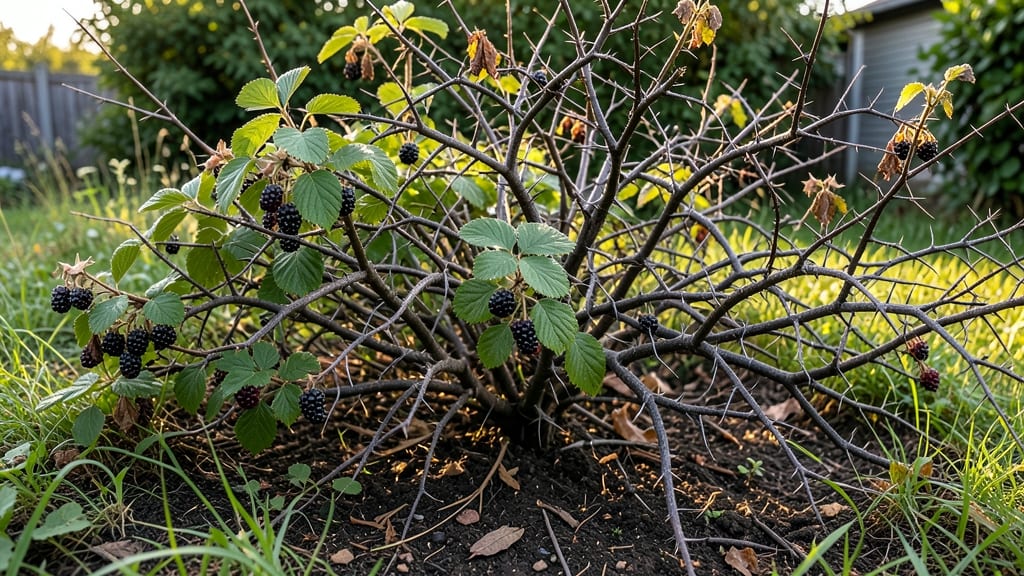
Your blackberry bushes are a tangled mess, but three strategic cuts can turn that chaos into a year-round harvest. 🌱 I’ve wrestled with overgrown brambles for years, and this method—timed right—transforms wild growth into manageable, productive canes that fruit from early summer through fall.
The key? Pruning at the right moments, not just once a year.
You’ll need sharp loppers, gloves, and a clear day to see the canes. First, remove dead or weak canes in late winter—these are the gray, brittle stems that won’t produce. Then, after harvest, cut back the oldest canes (the thickest ones) to the ground.
Finally, in early summer, trim back new growth to encourage bushier, fruit-heavy branches. Each cut serves a purpose, and skipping any step means fewer berries next season.
Within weeks, you’ll see fresh green shoots pushing through, and by midsummer, those canes will be heavy with fruit. The bushes stay compact, easier to harvest, and produce more berries than they ever did when left to sprawl.
No more wrestling with thorns or reaching for berries you can’t find—just a well-behaved, productive patch.
This works for both thornless and traditional blackberries, in home gardens or small orchards. The only real mistake? Waiting until the bushes are completely out of control. Start now, and you’ll enjoy berries for years with minimal effort.
📚 In This Guide
- What you need
- Instructions
- Tips and common mistakes
- Wrapping up and next steps
What you need
- ● Pruning shears or loppers – Choose bypass pruners (sharp, clean blades) for clean cuts. A 10-12 inch loppers works best for thicker stems.
- ● Heavy-duty gloves – Opt for gardening gloves with reinforced palms (thorn-proof!) to protect your hands.
- ● Pruning saw – A folding pruning saw with a 7-8 inch blade for cutting through thick, woody stems.
- ● Disinfectant (rubbing alcohol or bleach solution) – Mix 1 part bleach to 9 parts water to sterilize tools between cuts and prevent disease spread.
- ● Rake or garden fork – A heavy-duty rake (for clearing debris) or a garden fork (for loosening soil around roots).
- ● Compost or mulch – 2-3 cubic feet of organic compost or wood chip mulch to replenish nutrients after pruning.
- ○ Stakes and twine (optional but helpful) – 4-6 wooden stakes (1-2 feet long) and twine or zip ties for supporting new canes if needed.
- ● Watering can or hose with nozzle – A 5-gallon watering can or soaker hose for post-pruning hydration.
- ● Safety gear – Sunglasses (to shield from debris) and closed-toe shoes (for protection).
- ● Timing matters! Prune in late winter or early spring (before buds swell) for best results. Avoid pruning during fall—it can encourage new growth that won’t survive winter.
- ● Check the weather—aim for a dry, sunny day to reduce humidity (which spreads fungal diseases).
- ● Mark your calendar—schedule a second pruning in summer (6-8 weeks after the first) to maintain shape and encourage fruit production.
Instructions for reviving overgrown blackberry bushes
Here’s the straightforward method I’ve used to transform tangled blackberry thickets into productive, manageable bushes—without losing next year’s harvest.
✂️ Step 1: Assess and Plan Your First Cut
Start by examining the bush in late winter or early spring before new growth begins. Look for canes that are thicker than a pencil—these are your prime canes, which produce fruit this year. Thin out any thinner, spindly canes (these are last year’s fruited canes and won’t produce again). I like to keep about 4-6 strong canes per plant for optimal fruit production.
Grab your pruning shears and cut the unwanted canes at the base, just above the soil line. Avoid leaving stubs—this prevents disease from settling in. If the bush is especially dense, you might need to make 2-3 cuts to clear space for light and air. This first cut sets the stage for better fruit quality and easier maintenance later.
✂️ Step 2: Summer Pruning to Encourage New Growth
About 6-8 weeks after flowering, when the berries have ripened and you’ve harvested what you can, it’s time for the second cut. Focus on removing any canes that have already fruited—these are the ones that produced berries this year. Cut them back to the ground, as they won’t fruit again and will only compete with new growth for nutrients.
This is also the time to shape the bush. Look for any canes growing inward or crossing over others—these will rub against each other and create wounds where disease can enter. Trim these back to an outward-facing branch or to the main stem. You’ll notice new, vibrant green shoots emerging from the base within 2-3 weeks—these are your future fruit-bearing canes.
✂️ Step 3: Late Fall/Winter Cleanup for Next Year’s Harvest
In late fall or winter, perform your final pruning of the year. This time, remove any weak, diseased, or dead canes—they’re easy to spot because they’re brown, brittle, or devoid of leaves. Cut them back to the ground, and dispose of them in the trash (not the compost pile) to prevent spreading disease.
Next, thin the remaining canes to about 4-6 of the strongest, healthiest ones. These will produce next year’s fruit. If your blackberry variety is floricane-type (like most common varieties), you’ll also want to leave some of last year’s canes—they’ll fruit again next season. For primocane-type varieties (like some thornless types), you can remove all old canes since they only fruit once. This final cut keeps the bush open and airy, reducing the risk of fungal issues.
🌱 Step 4: Post-Pruning Care for a Strong Revival
After pruning, give your blackberry bush a deep watering to help it recover. The roots will be exposed, and new growth needs moisture to establish. Apply a 2-3 inch layer of mulch around the base (but not touching the stems) to retain moisture and suppress weeds. I use straw or wood chips because they break down slowly and add organic matter to the soil.
Fertilize lightly with a balanced, slow-release fertilizer (like 10-10-10) in early spring to support new growth. Avoid heavy nitrogen in late summer—it encourages soft, disease-prone growth. Within 4-6 weeks, you’ll see fresh, vigorous shoots emerging from the base, ready to fruit next season. This is your reward for the work—healthier canes mean bigger, sweeter berries.
Tips & tricks for reviving tangled blackberry bushes
Real talk: I learned these tricks after years of wrestling with tangled blackberry thickets that produced half the berries they should have. These small adjustments make all the difference.
Timing is Everything: The late winter/early spring cut in Step 1 is your most important window. If you wait until new growth appears, you risk pruning off next year's fruiting canes by mistake. I mark my calendar for the first week of February—this gives me a full month before buds swell. For summer pruning (Step 2), wait until after your last harvest to avoid removing canes that might still produce a small crop.
Canes to Keep vs. Canes to Remove: Here's what I learned the hard way: In Step 3, when thinning to 4-6 canes, prioritize those with the thickest diameter at the base (about pencil thickness). These are your power canes. Thin canes that look weak or have small leaves won't produce well. For floricane types, leave some last year's canes—they're the ones that will fruit next season, while primocane types need all old canes removed completely.
Disease Prevention: The single biggest mistake I see is leaving stubs after cutting. In Steps 1 and 3, always cut canes at the base, just above the soil line. This prevents water from pooling where stubs would be, which creates perfect conditions for fungal diseases. I also sterilize my pruning shears with rubbing alcohol between cuts—especially important when dealing with diseased canes in Step 3.
Post-Pruning Recovery: That deep watering in Step 4 isn't just about moisture—it's about giving your blackberry roots a chance to recover from the shock of pruning. I've found that adding a handful of Epsom salt to the water (about 1 tablespoon per gallon) gives an extra magnesium boost that helps with fruit development. The mulch layer should be thick enough to block weeds but not so thick it smothers new growth—about 2-3 inches is perfect.
Pro Tips for Overgrown Blackberry Bushes
- Real talk: I learned these tricks after years of wrestling with tangled blackberry thickets that produced half the berries they should have.
- Timing is Everything: The late winter/early spring cut in Step 1 is your most important window.
- Canes to Keep vs.
Frequently asked questions
Got questions about taming those wild blackberry bushes? You’re not alone!
Here are answers to the most common concerns—from pruning timing to dealing with thorns and pests.
When is the best time to prune overgrown blackberry bushes?
Prune late winter or early spring (just before new growth starts) for primocanes (first-year canes) and summer after harvest for floricanes (second-year canes). This keeps your bushes productive and manageable. Avoid pruning in fall—it can stimulate late growth vulnerable to frost damage.
How do I tell the difference between primocanes and floricanes?
Primocanes are thin, green, and flexible (they grow in the first year and produce next year’s berries). Floricanes are woody, brown, and thicker (they fruited last year and should be cut after harvest). Pro tip: Label a few canes if you’re unsure!
Are blackberry thorns a dealbreaker? How can I reduce them?
Thorns are a natural defense—but you can soften their aggression! Choose thornless varieties like ‘Natchez’ or ‘Arapaho’ when planting new bushes. For existing thorny varieties, wear gloves and long sleeves during pruning, and train canes along a trellis or fence to reduce wild sprawl.
What should I do if my blackberry bushes have pests or diseases?
Common issues include Japanese beetles, spider mites, or fungal diseases (like anthracnose). Start with preventive care: prune for airflow, water at the base (not leaves), and remove diseased canes immediately. For pests, use neem oil or insecticidal soap. If problems persist, test soil pH (ideal: 5.5–6.5) and consult your local extension office.
Can I still get berries if I don’t prune my blackberry bushes?
Yes—but expect smaller yields and weaker plants! Unpruned bushes compete for resources, leading to fewer berries and more pests. Even a light annual trim (removing dead wood and crossing branches) boosts productivity. Think of pruning as a reset button for your bushes!
What’s the easiest way to revive a neglected blackberry patch?
Start with a reset prune: cut all canes to the ground in late winter. This may seem drastic, but it stimulates fresh, vigorous growth from the roots. Fertilize with balanced 10-10-10 in spring, mulch to retain moisture, and watch for new primocanes by summer!
Wrapping up and next steps
Transforming your overgrown blackberry bushes into a thriving, year-round harvest is totally within reach—you’ve got this! 🌱 By mastering the three strategic cuts (dormant, summer, and post-harvest), you’ll boost fruit production, improve plant health, and keep those thorns in check.
Start small, stay consistent, and soon you’ll be enjoying juicy, sweet berries with minimal effort.
Ready to take action? Grab your pruners and schedule your first cut—whether it’s trimming back last year’s canes now or planning your summer maintenance. Every snip is a step toward a bountiful harvest! 🍇✂️