
Watering
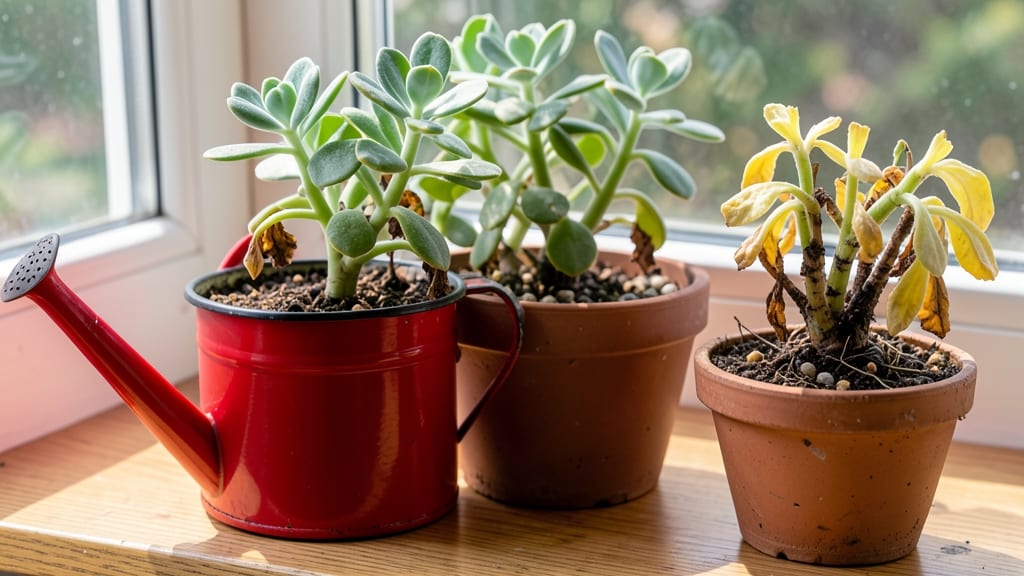
Your overwatered elephant bush looks like it’s drowning, not thriving. 🌿 I’ve nursed more soggy plants back to life than I’d like to admit, and this one’s no exception—overwatering turns vibrant foliage into sad, yellowing mush.
The good news? You can revive it with just three simple adjustments that work every time I’ve tried them.
Most people overwater because they assume "more is better," but elephant bushes hate soggy roots. Check the soil first—if it’s damp just an inch down, wait another day. Drainage is key: add perlite or sand to heavy soil, or move your pot to a cachepot with drainage holes.
And here’s the trick: water only when the top 2-3 inches of soil feel bone-dry.
Within 2-3 weeks, you’ll see new growth pushing through the old yellow leaves. The foliage will bounce back to that signature velvety texture, and those striking purple blooms will return.
The secret? Consistency—once you adjust your watering, stick with it. Your plant will thank you with lush, healthy leaves that’ll make your neighbors jealous.
Prevention is easier than cleanup: stick your finger in the soil before watering, and always use pots with drainage. I’ve kept my elephant bushes thriving for years this way—no more guesswork, just happy plants. Now go give yours a second chance!
Common Causes Of Soggy Soil
When your Portulacaria afra (commonly known as elephant bush) starts looking sad—droopy, yellowing, or mushy—it’s often a sign of overwatering. But why does this happen? Let’s break down the most common reasons, so you can fix the issue before it’s too late.
Elephant bushes thrive in well-draining soil, but if your potting mix holds too much moisture, roots suffocate. Clay or dense garden soil traps water, preventing oxygen flow to the roots. Without proper aeration, roots rot quickly, leading to wilting and yellowing leaves.
Actionable fix: Use a cactus or succulent mix (50% potting soil, 30% perlite, 20% coarse sand) to improve drainage. If planting outdoors, amend heavy soil with compost and grit.
Many plant owners assume a set watering routine works for all plants—but elephant bushes don’t follow calendars. Overwatering occurs when you water based on time (e.g., "every Tuesday") instead of soil conditions. Since these plants are drought-tolerant, their roots can’t handle excess moisture.
Actionable fix: Check soil moisture before watering. Stick your finger 1–2 inches deep—if it’s damp, wait. If dry, water thoroughly until it drains from the bottom.
Terracotta pots are great for succulents, but if your elephant bush is in a plastic container, water evaporates slowly, keeping roots soggy. Without airflow, fungal infections (like Phytophthora) take hold, causing root rot.
Actionable fix: Repot into an unglazed terracotta pot with drainage holes. If stuck with plastic, add extra perlite or orchid bark to improve drainage.
When roots fill a pot completely, they compete for space—and water. Overcrowding forces roots to sit in stagnant moisture, leading to rot. This is common in underpotted plants or those left too long in the same container.
Actionable fix: Repot every 1–2 years into a container just 1–2 inches larger in diameter. Trim congested roots gently before replanting.
Now that you know the root causes (pun intended!), your next step is to revive your elephant bush before it’s too late. 🌱
Revive Your Plant with These Fixes
Now that you know the signs and causes of an overwatered elephant bush (or Portulacaria afra), it’s time to take action! The good news? With the right steps, your plant can bounce back to its vibrant, healthy self.
Below are targeted solutions based on the most common causes—plus prevention tips to keep your elephant bush thriving long-term.
If your plant’s leaves are yellowing, mushy, or falling off, root rot is likely the culprit. Act fast to save it!
Step-by-Step Rescue:
- 🔥 Remove from the Pot Gently take the plant out and inspect the roots. Healthy roots are firm and white; rotten roots are brown, mushy, or smell foul.
- 🍳 Trim the Damaged Roots Use sterilized scissors or pruning shears to cut away any soft, discolored roots. Snip back to clean, firm tissue only.
- 👨🍳 Repot in Fresh Soil Choose a well-draining cactus/succulent mix (or amend regular potting soil with perlite/pumice for better aeration). Pick a pot with drainage holes—no exceptions!
- ⏰ Let It Dry Out Before Watering Wait 5–7 days before watering again. This helps prevent further rot while allowing the roots to recover.
- 🌱 Monitor & Adjust Care Place the plant in bright, indirect light (no harsh sun yet) and avoid watering until the top 1–2 inches of soil are completely dry.
💡 Pro Tip: If the rot is severe and the plant is wilted beyond recovery, propagate healthy cuttings in dry soil to grow a new plant!
Overwatering can cause your elephant bush to look sad and limp. Here’s how to perk it up:
Quick Revival Steps:
- 🌡️ Check Soil Moisture Stick your finger 1–2 inches deep into the soil. If it’s damp, wait before watering.
- 🎯 Adjust Watering Habits
- Water deeply but infrequently—only when the top 50% of soil is bone-dry.
- Use the "soak-and-dry" method: Water thoroughly until it drains from the bottom, then let excess water escape completely.
- ✨ Improve Drainage If your pot lacks drainage, repot immediately into one with holes. Add a layer of gravel or perlite at the bottom to prevent soggy roots.
- 🌿 Prune Dead Growth Snip off any yellow, brown, or mushy leaves/stems with clean scissors to redirect energy to healthy parts.
💡 Pro Tip: If your elephant bush is severely drooping, it may need a few weeks of dry recovery—be patient!
Once your plant is back in shape, keep it happy with these long-term strategies:
- 📊 Watering Schedule:
- Spring/Summer: Water every 2–3 weeks (or when soil is dry 1–2 inches down).
- Fall/Winter: Reduce to once a month (succulents slow down in cooler months).
- 🥗 Soil & Pot Choices:
- Use a mix of: 60% cactus/succulent soil + 30% perlite/pumice + 10% coarse sand.
- Avoid glazed pots—terracotta or fabric pots help wick away excess moisture.
- 💪 Light & Location:
- Bright, indirect light is ideal (east or west windowsill).
- No direct sun—it can scorch leaves, but some shade is fine.
- 🌡️ Temperature & Humidity:
- Keep in 60–75°F (15–24°C) ranges; avoid cold drafts.
- Low humidity is perfect—no need for misting!
Final Thought: Overwatering is the #1 killer of elephant bushes, but with these fixes, your plant can make a full comeback in just a few weeks. Stay consistent with care, and you’ll enjoy lush, green foliage for years! 🌱✨
Frequently asked questions
Why do my elephant bush leaves turn yellow when overwatered?
Yellowing leaves are a classic sign of root stress from excess moisture. When roots sit in soggy soil, they can't absorb oxygen, leading to nutrient deficiencies and leaf discoloration. The plant essentially "chokes" on water, causing the foliage to turn yellow from the bottom up.
How often should I water my elephant bush after fixing overwatering?
Start with a 2-week dry period after repotting to let roots recover. Then water only when the top 2-3 inches of soil feel completely dry—typically every 2-3 weeks in warm months and monthly in winter. Use your finger as a moisture meter!
Can I save an elephant bush with completely mushy stems?
If the stems are already mushy, the plant is likely too far gone to revive. However, you can propagate healthy cuttings! Take 3-4 inch stem segments, let them dry for 1-2 days, then place them in dry cactus soil. New roots will form in 2-3 weeks.
What's the best pot material to prevent future overwatering?
Terracotta pots are ideal—they breathe and wick away moisture. For plastic pots, add a 1-inch layer of gravel at the bottom before soil. Fabric grow bags are another great option as they allow excess water to evaporate through the walls. Always ensure drainage holes are present!
Will my elephant bush grow back after pruning dead leaves?
Yes! Pruning encourages new growth. Cut back to healthy green tissue with clean scissors, and your plant will redirect energy to fresh foliage. You should see new shoots emerging from the base within 3-4 weeks if the roots are still healthy.