
Pruning
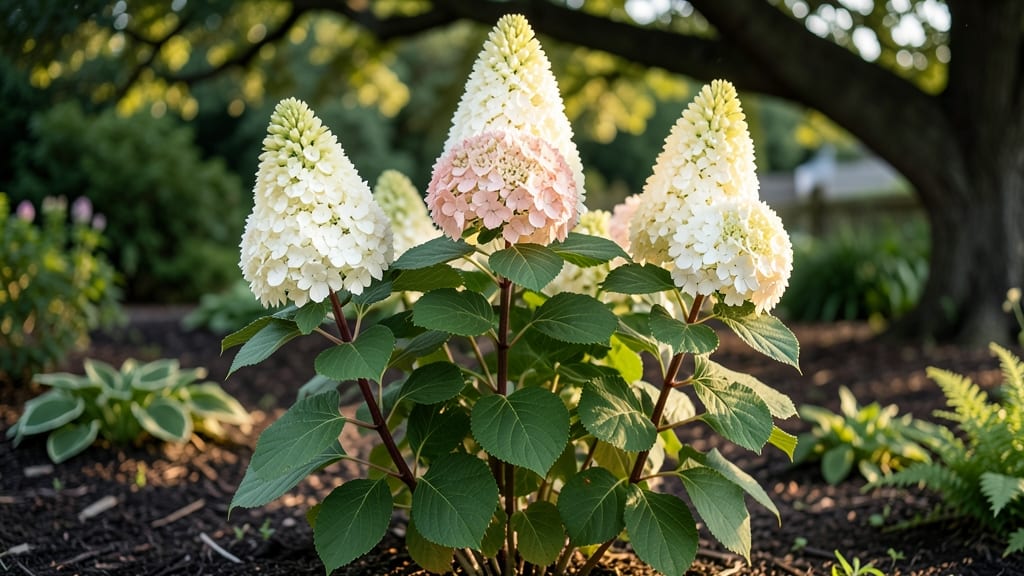
Your Pee Gee hydrangea bush could bloom three seasons instead of one—if you prune it right. ✂️ I learned this the hard way after years of watching my bush put all its energy into summer flowers, then fizzle out by fall.
The secret isn’t complicated: it’s about understanding when and how to trim for continuous blooms, not just one big show. This bush thrives in full sun and well-drained soil, but its magic happens in the pruning.
Most gardeners cut back too late or too hard, missing the chance to coax those late-season blooms. With the right timing—early spring and right after flowering—you’ll get stunning white blooms from June through October, plus those bonus winter interest stems.
Even my black thumb can’t mess this up once you know the tricks. What you’ll end up with is a bush that’s neighbor-envy levels of lush, with fewer floppy stems and more vibrant blooms. The flowers start as creamy white and mature to soft pink, creating a stunning color show.
Plus, the stems stay attractive through winter, giving you year-round interest. Works for both container gardens and landscape plantings. Here’s exactly how to keep yours blooming like a pro—no fancy tools required.
📚 In This Guide
- What you need
- Instructions
- Tips and common mistakes
- Wrapping up and next steps
What you need
- ○ Pruning shears: Bypass pruners (sharp, clean, and not dull—this is key!). Optional: Loppers for thicker stems (1–2 inches in diameter).
- ● Gloves: Heavy-duty gardening gloves (protect against thorns and sap).
- ● Disinfectant: 70% isopropyl alcohol or a 10% bleach solution (to sterilize tools between cuts).
- ○ Pruning sealant: Optional but helpful for larger cuts (e.g., Tanglefoot Tree Wound Pruning Sealer).
- ● Measuring tape or ruler: For precision trimming (aim for 1/4-inch above a node).
- ● Garden twine or stakes: To temporarily support heavy branches during trimming.
- ● Trash bag or bucket: For clippings (compost later if pest-free!).
- ● Timing: Trim in early spring (before new growth) or late summer (after blooming). Avoid winter pruning!
- ● Weather: Choose a dry, overcast day to reduce stress on the plant.
- ● Hydration: Water the bush 24 hours before pruning (well-hydrated wood is easier to cut).
- ● Safety gear: Safety glasses (if your hydrangea is near power lines or dense foliage).
- ● Plant health check: Inspect for pests/diseases (e.g., aphids or powdery mildew) before trimming.
How to revive year-round blooms in a Pee Gee hydrangea bush
This is the trimming method I’ve used for years to keep my Pee Gee hydrangeas flowering like clockwork—no more bare stems or summer lulls.
✂️ Step 1: Understand the Growth Cycle and Timing
Pee Gee hydrangeas bloom on new wood, meaning their flowers grow from fresh growth each season. To maximize blooms, you’ll trim at two key times: late winter (just before buds swell) and mid-summer (after the first flush of flowers). The late-winter cut shapes the plant’s structure, while mid-summer trimming encourages a second bloom.
Here’s the thing—if you cut back too early, you’ll remove next year’s flower buds. Wait until you see tight, plump buds forming along the stems (usually 3-4 weeks before last frost). For mid-summer, trim after the first flowers fade but before the stems turn woody.
✂️ Step 2: Late-Winter Pruning for Structure
Grab your clean, sharp pruners and locate the oldest stems—they’ll be thicker and slightly woody. Cut these back to the ground, leaving only the 3-4 youngest, most vigorous stems. This opens up the center for airflow and light, which prevents disease and encourages bushier growth.
For the remaining stems, trim just above a set of healthy buds (look for small, swollen nodes). Angle your cuts slightly downward to prevent water from pooling. I like to step back after pruning to check the shape—you want a rounded, open form, not a dense center.
🌿 Step 3: Mid-Summer Trimming for Second Blooms
After the first flush of flowers fades, it’s time for the second cut. Trim back the current year’s growth by half—this removes spent blooms and signals the plant to produce new shoots. Focus on cutting just above a leaf node with 2-3 buds; this ensures fresh growth will emerge quickly.
Don’t overdo it here. You’re not shaping the plant; you’re just encouraging more flowers. If you see leggy or weak stems, cut them back entirely. The goal is to keep the bush compact and full. Water deeply after trimming to help the plant recover and support new growth.
☀️ Step 4: Post-Trimming Care for Continuous Blooms
After both pruning sessions, your hydrangea will need extra care to bounce back. Keep the soil consistently moist but not soggy—Pee Gees hate dry roots. Mulch around the base with 2-3 inches of organic mulch to retain moisture and regulate soil temperature. Feed with a balanced, slow-release fertilizer in early spring to support vigorous new growth.
Watch for new shoots emerging from the pruned stems. These will produce your next round of blooms. If you notice any yellowing leaves or wilting, it’s often a sign of overwatering or poor drainage. Hydrangeas prefer well-draining soil, so if your plant sits in water, consider amending the soil with compost or planting in a raised bed.
⏰ Step 5: Year-Round Maintenance for Long-Term Health
Throughout the year, keep an eye out for dead or diseased branches—remove them immediately with clean pruners. Deadheading spent blooms (pinching off faded flowers) encourages more blooms to form. In fall, cut back any remaining dead or weak stems but leave the healthy ones intact to protect next year’s buds from winter cold.
Pee Gee hydrangeas are hardy, but they appreciate a little winter protection in colder climates. Once the ground freezes, mound 4-6 inches of mulch around the base to insulate the roots. In spring, remove the mulch gradually as new growth appears—this prevents sudden temperature shocks.
Tips & tricks for perfect Pee Gee hydrangea trimming
These practical tips will help you avoid common mistakes and get the most stunning blooms from your Pee Gee hydrangea all year long.
Timing is Everything: I can't stress this enough—wait until you see those tight, plump buds forming (about 3-4 weeks before your last frost) for your late-winter trim. These buds are your plant's promise of next year's flowers. If you cut too early, you're basically pruning away next season's blooms before they even have a chance to form. In mid-summer, don't wait until the stems turn woody—trim right after the first flowers fade to encourage that second flush of blooms.
Tool Preparation Matters: Before you even touch your hydrangea, clean your pruners with rubbing alcohol or a bleach solution to prevent spreading disease. I also like to oil the blades occasionally to keep them sharp—dull blades crush stems instead of making clean cuts. And here's a pro trick: angle your cuts slightly downward to prevent water from pooling on the wound, which can lead to rot. This small detail makes a big difference in plant health.
Visual Cues for Perfect Cuts: When trimming in late winter, look for those swollen nodes where new growth will emerge. Cut just above a set of healthy buds—these are your growth points. In mid-summer, focus on cutting back to a leaf node with 2-3 buds. You want to leave enough energy in the plant to produce new shoots. Think of it like giving your hydrangea a haircut that leaves room for new growth, not just trimming for looks.
Post-Pruning Recovery: After your trimming sessions, give your plant a good deep watering to help it recover. I like to add a slow-release fertilizer at this time to give it a nutrient boost. And don't forget to mulch—2-3 inches of organic mulch helps regulate soil temperature and retain moisture. This is when your hydrangea needs extra TLC to bounce back and produce those spectacular blooms.
Pro Tips for Pee Gee Hydrangea Bush
- These practical tips will help you avoid common mistakes and get the most stunning blooms from your Pee Gee hydrangea all year long.
- Timing is Everything: I can't stress this enough—wait until you see those tight, plump buds forming (about 3-4 weeks before your last frost) for your late-winter trim.
- Tool Preparation Matters: Before you even touch your hydrangea, clean your pruners with rubbing alcohol or a bleach solution to prevent spreading disease.
Frequently asked questions
Got questions about your Pee Gee Hydrangea? You’re not alone! This hardy beauty is full of surprises—especially when it comes to pruning and care. Here are answers to the most common queries to keep your bush thriving year after year.
When is the best time to prune a Pee Gee Hydrangea?
The ideal window is late winter or early spring (just as new growth begins). Unlike other hydrangeas, Pee Gees bloom on new wood, so pruning in late summer/fall risks cutting off next year’s flowers. Pro tip: Wait until after the last frost to avoid cold damage to fresh cuts!
How much should I trim back my Pee Gee Hydrangea?
Aim to cut back 1/3 to 1/2 of the plant’s height each year. For example, if your bush is 4 feet tall, trim it down to 2-3 feet. Focus on removing dead, weak, or crossing branches first, then shape the rest. Never leave stubs—always cut just above a bud or leaf node.
Why aren’t my Pee Gee Hydrangeas blooming?
Lack of blooms usually stems from over-pruning (cutting into old wood) or poor nutrients. If you pruned too late (after mid-summer), next year’s flowers may suffer. Check soil pH too—Pee Gees thrive in slightly acidic soil (5.2–6.2). Add a balanced fertilizer in early spring if growth looks weak.
Can I grow Pee Gee Hydrangeas in hot climates?
Pee Gees are heat-tolerant (USDA Zones 3–9) and thrive in full sun with consistent moisture. In hotter areas, mulch heavily to retain soil moisture and prune earlier in the season to avoid stress. Water deeply 1–2 times per week during dry spells—wilting can signal thirst!
Are there alternatives to Pee Gee Hydrangeas for year-round color?
If you love long-blooming, low-maintenance bushes, consider:
- Panicle Hydrangeas (e.g., ‘Little Lime’ or ‘Limelight’): Similar care, white-to-pink blooms that last into fall.
- Oakleaf Hydrangeas: Stunning fall foliage + fragrant blooms; prune lightly in late winter.
- Butterfly Bush (Buddleia): Drought-tolerant and pollinator-friendly, but prune aggressively in early spring.
Wrapping up and next steps
Transforming your Pee Gee hydrangea bush into a year-round bloomer is simpler than you think—with the right layered trimming techniques! 🌸 By mastering seasonal cuts and understanding its growth habits, you’ll unlock vibrant blooms from spring to frost.
Remember: patience and precision pay off, so don’t hesitate to roll up your sleeves and get pruning.
Ready to elevate your garden? Start small: pick one bush this season, follow the steps, and watch your progress. Before you know it, your yard will be the talk of the neighborhood—thanks to your stunning, ever-blooming Hydrangea paniculata! Happy gardening! 🌿✨