
Pruning
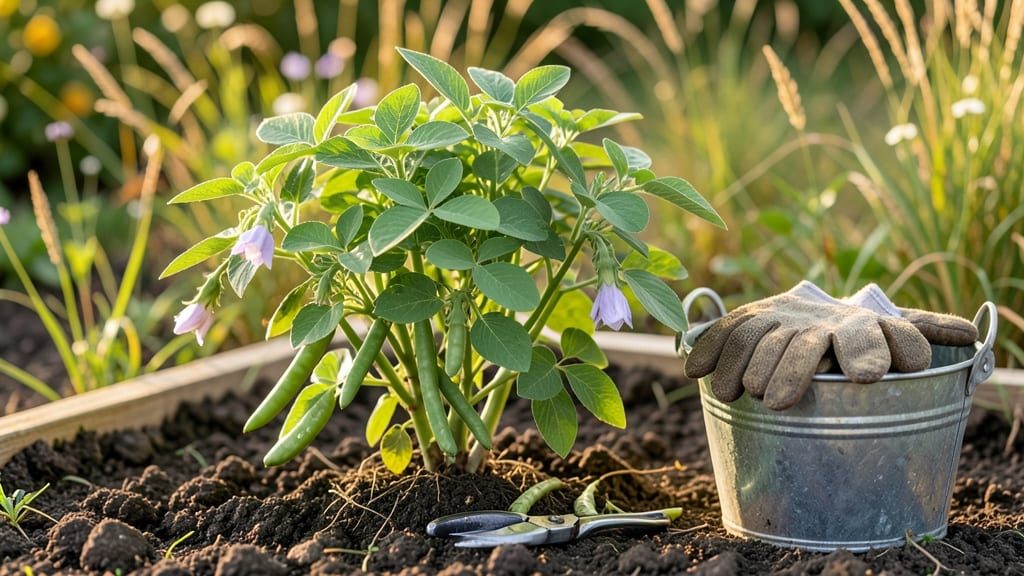
Pruning bush beans isn't just about trimming—it’s about unlocking 30% more pods by the end of summer. 🌱 I used to think bush beans were low-maintenance until I learned how strategic cuts keep them producing long after store-bought varieties fade.
The key? Timing and technique—cut too early or too late, and you’ll sacrifice yield for looks.
You only need sharp pruners and 10 minutes after harvest to keep plants focused on new growth. The goal is to remove spent pods and yellowing leaves while leaving healthy stems intact.
Think of it like giving your plants a haircut—they’ll reward you with fresh foliage and a second flush of beans when others are already done.
What you’ll get is a bush bean plant that stays productive for weeks longer than unpruned neighbors. Airflow improves, reducing disease risk, and the plant puts energy into new pods instead of maintaining old ones. Even my black-thumb friends have seen better harvests after trying this simple method.
Unlike pole beans, bush beans don’t need regular trimming—they thrive with just 2-3 light prunings per season. The biggest mistake? Over-pruning or cutting into the main stem. Stick to the outer leaves and lower branches, and you’ll keep the plant happy without stressing it.
📚 In This Guide
- What you need
- Instructions
- Tips and common mistakes
- Wrapping up and next steps
What you need
- ● Bush bean plants: Healthy, mature plants (30–60 days old, depending on variety) with at least 2–3 true leaves.
- ● Pruning shears: Clean, sharp bypass pruners (avoid anvil pruners to prevent crushing stems). Size: 5–7 inches.
- ● Gloves: Garden gloves (nitrile or leather) to protect hands from thorns or rough stems.
- ● Disinfectant: 70% isopropyl alcohol or diluted bleach solution (1 part bleach to 9 parts water) to sterilize tools between cuts.
- ● Watering can or hose: With a gentle spray nozzle for post-pruning hydration.
- ● Pruning saw: For thicker stems (rare in bush beans but useful if plants are overgrown).
- ● Growth hormone paste: (e.g., rooting hormone) to encourage faster regrowth if taking cuttings.
- ● Staking or trellis: If pruning to encourage vertical growth (more common in pole beans, but some gardeners adapt for bush beans).
- ● Compost or mulch: To replenish nutrients after pruning.
Instructions for pruning bush beans to maximize yield
Here's how I keep my bush beans producing heavily all season—no guesswork, just strategic cuts.
✂️ Step 1: Identify and Remove Only the Right Growth
Bush beans don't need heavy pruning like pole beans, but strategic trimming boosts airflow and directs energy to pods. Focus on removing only the bottom leaves that touch the soil—these yellow first and harbor disease. Use clean, sharp pruners to make cuts just above where the leaf stem meets the main stem.
I never remove more than 25% of the plant's foliage at once. You'll know you're doing it right when you see fresh, green leaves exposed to sunlight where the lower growth used to be. This opens the plant up and prevents fungal issues that thrive in dense, shaded foliage.
🌿 Step 2: Thin Overcrowded Stems for Better Airflow
When multiple stems grow too close together, they compete for nutrients and light. Look for stems that are leaning or touching each other—these are your targets. Use your fingers to gently pinch them off at the base rather than cutting, which reduces stress on the plant.
I aim to leave at least 4-6 inches between stems. You'll notice pods forming more quickly and looking plumper when you've created this space. This also makes harvesting easier—no more tangled vines or hidden beans.
⏰ Step 3: Time Your Pruning for Maximum Productivity
Prune bush beans early in the morning or late afternoon when temperatures are mild. Avoid midday heat, which stresses plants. Focus on pruning after harvesting to give the plant time to recover before the next round of growth.
I never prune when plants are flowering or producing pods—this stresses them at their most vulnerable stage. Instead, I wait until 3-5 days after harvest when new growth appears. You'll see fresh leaves emerging from the stem nodes within 2-3 days of proper pruning.
✂️ Step 4: Remove Damaged or Diseased Foliage Immediately
Yellowed, spotted, or wilted leaves need prompt removal to prevent disease spread. Cut these off completely at their base, then disinfect your pruners with rubbing alcohol between cuts. I check my plants every 3-4 days during hot, humid weather when fungal issues flare up.
Don't leave any leaves touching the soil—this is where most soil-borne diseases originate. You'll know you're maintaining good plant health when your beans show bright green, glossy leaves and no signs of brown spots or curling edges.
🌱 Step 5: Encourage Bushier Growth Through Strategic Trimming
For bushier plants with more pod production, look for the topmost set of leaves on each stem. When they reach 4-6 inches tall, pinch off the growing tip just above a set of leaves. This signals the plant to produce side shoots instead of continuing upward.
I repeat this pinching every 2-3 weeks throughout the growing season. You'll see new side branches forming within 7-10 days, each capable of producing its own pods. This technique works best on young, vigorous plants—never try it on older plants that are already heavily laden with pods.
Tips & tricks for pruning bush beans
Strategic pruning keeps your bush beans thriving—here’s how to avoid common mistakes and maximize every cut.
Tool Selection: Invest in a pair of clean, sharp pruners with bypass blades—they make precise cuts that heal faster than jagged snips. I keep a small bottle of rubbing alcohol nearby to disinfect between cuts, especially when removing diseased foliage. This prevents cross-contamination and keeps your tools ready for the next plant.
Visual Cues for Healthy Pruning: In Step 1, look for leaves that have turned yellow or brown at the base—these are the ones to remove. Healthy leaves should be bright green with a slight gloss. After pruning, you’ll notice new growth emerging from the stem nodes within 2-3 days, signaling the plant is responding well to the trim.
Seasonal Adjustments: During hot, humid weather, increase your pruning frequency to every 3-4 days. This prevents fungal diseases from taking hold in dense foliage. In cooler months, reduce to every 7-10 days, as plants grow more slowly. Always prune after harvesting to avoid stressing the plant when it’s already producing energy for pods.
Encouraging Bushier Growth: For Step 5, focus on the topmost set of leaves—when they reach 4-6 inches, pinch them off just above a leaf node. This redirects the plant’s energy to produce side shoots, which means more pods. I’ve seen plants double their yield within weeks of consistent pinching, especially when done every 2-3 weeks throughout the season.
Pro Tips for Prune Bush Beans
- Strategic pruning keeps your bush beans thriving—here’s how to avoid common mistakes and maximize every cut.
- Tool Selection: Invest in a pair of clean, sharp pruners with bypass blades—they make precise cuts that heal faster than jagged snips.
- Visual Cues for Healthy Pruning: In Step 1, look for leaves that have turned yellow or brown at the base—these are the ones to remove.
Frequently asked questions
Got questions about pruning bush beans?
You’re not alone! Here are answers to the most common concerns—whether you're a first-time gardener or a seasoned green thumb looking to fine-tune your technique.
Do bush beans even need pruning?
Unlike pole beans, bush beans don’t require pruning to grow. However, trimming can improve air circulation, reduce disease risk, and encourage larger pods if you’re harvesting for size. Skip it if you’re prioritizing quantity over pod perfection!
When is the best time to prune bush beans?
Prune early in the morning on a dry day, ideally when plants are young (4–6 inches tall). Avoid pruning after heavy rain or late in the day—this can stress the plant. Pro tip: Use clean, sharp shears to prevent disease entry points.
How much should I trim off bush beans?
Remove 10–20% of the plant’s height by cutting just above a leaf node (where leaves grow). For example, if your plant is 12 inches tall, trim to 9–10 inches. Avoid over-pruning—bush beans are delicate and may not recover well.
Can I prune bush beans too late in the season?
Yes, but timing matters! Prune only if needed (e.g., to remove diseased leaves) up to 2–3 weeks before the first frost. Late-season pruning can stunt pod production or leave plants vulnerable to cold. Focus on harvesting instead!
What if my bush beans are already overgrown or leggy?
If your plants are too tall or sparse, prune selectively—remove only the most overgrown stems or yellowing leaves. Avoid drastic cuts; instead, focus on thinning crowded stems to improve airflow. Add compost or mulch to support recovery.
Are there alternatives to pruning for bush bean care?
Try these low-maintenance alternatives:
- Thinning seedlings: Space plants 4–6 inches apart to reduce competition.
- Regular harvesting: Pick pods frequently to encourage bushier growth.
- Support with stakes: Gently tie stems to stakes for better airflow.
- Mulching: Use straw or grass clippings to retain moisture and deter weeds.
Wrapping up and next steps
Pruning bush beans might seem like a small task, but it’s the secret to a bountiful, healthy harvest all year long! 🌱 By mastering the right techniques—like trimming for airflow, managing pests, and encouraging bushier growth—you’ll turn your garden into a productivity powerhouse.
Whether you’re a beginner or a seasoned gardener, every snip brings you closer to fresh, flavorful beans at your fingertips.
Ready to put your new skills to work? Start small—pick a sunny patch, grab your tools, and begin pruning just a few plants this week. Before you know it, you’ll be reaping the rewards of your green thumb! 🌿✨