
Pruning
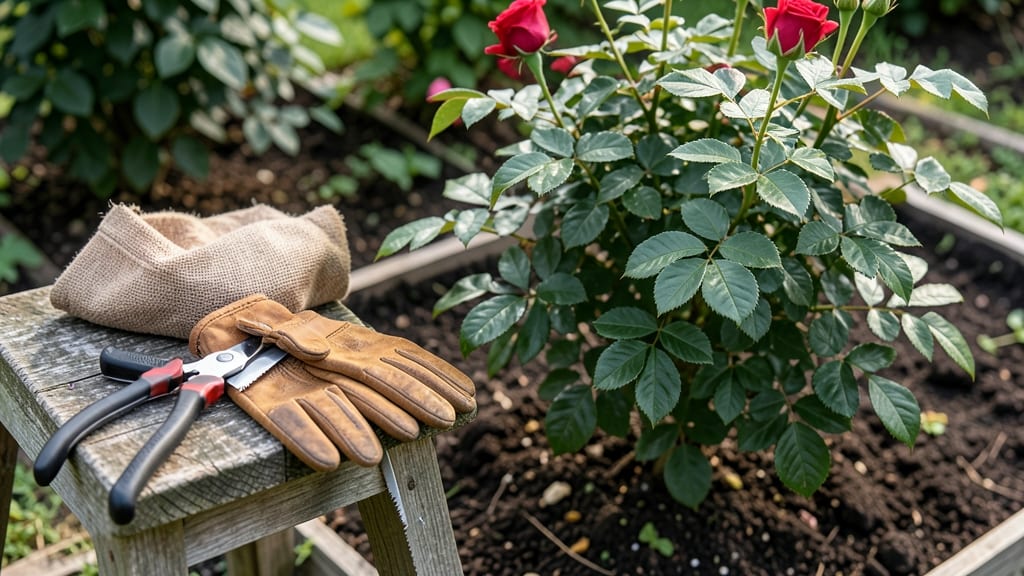
Double Knockout roses reward you with hundreds of blooms—if you prune them right. ✂️ I’ve turned my leggy, underperforming bushes into lush, flowering powerhouses by mastering the timing, cuts, and follow-up care that most gardeners miss.
The key is pruning twice a year: a light cleanup in late winter and a heavier trim in early summer. Most people over-prune in spring or skip the summer refresh entirely—both mistakes starve your plant of energy for fall blooms.
With the right technique, you’ll see fresh red shoots within 10 days and a bush so dense it stops needing staking. What you’ll end up with is a compact, bushy plant that blooms nonstop from spring until frost.
The secret isn’t aggressive cutting—it’s strategic: remove dead wood first, then thin out crowded canes, and always cut at a 45-degree angle just above an outward-facing bud. No more bare stems or sparse flowers.
This works for any Double Knockout variety, whether you’re tackling a 3-foot shrub or a 6-foot climber. Let’s get those shears sharp and those blooms coming!
📚 In This Guide
- What you need
- Instructions
- Tips and common mistakes
- Wrapping up and next steps
What you need
- ● Bypass pruners (sharp, clean, and disinfected—1 pair, high-quality like Felco or Corona)
- ● Loppers (for thicker stems—1 pair, 8–12-inch reach)
- ● Hand saw (for stubborn, woody branches—1 pruning saw with a fine-tooth blade)
- ● Disinfectant (70% rubbing alcohol or bleach solution—1 small bottle)
- ● Gloves (heavy-duty, thorn-proof—1 pair)
- ● Garden twine or ties (to secure large branches—1 roll)
- ● Rake or broom (to clear debris—1 medium-sized)
- ● Pruning sealant (for large cuts—small jar)
- ● Garden hose (to clean tools mid-prune)
- ● Notebook & pen (to sketch your bush’s structure before/after)
- ● Knee pad or stool (for comfort—1)
Step-by-step guide to pruning Double Knockout rose bushes
Here's the exact method I use to keep my Double Knockout roses blooming nonstop—no dead wood, no flopping canes, just lush, vibrant growth.
✂️ Step 1: Time Your Pruning for Maximum Impact
Prune Double Knockout roses in early spring as buds begin to swell, or after the first major bloom cycle in late spring. These roses bloom repeatedly, so timing matters—cutting too early removes flower buds, while waiting too long stresses the plant. I always prune on a dry, overcast day to reduce stress on fresh cuts.
Check for swollen buds along the canes—these signal new growth is about to begin. If you see green tips emerging, it's time. Avoid pruning when temperatures are below 40°F or above 85°F, as extreme conditions slow healing. Double Knockouts are forgiving, but proper timing ensures you don’t sacrifice next year’s blooms.
✂️ Step 2: Remove Dead, Diseased, or Weak Canes First
Start by inspecting each cane for dead wood—it’ll be brown, brittle, and hollow when cut. Snip these out completely at the base. Next, look for canes with black spots, mold, or oozing sap, signs of disease. Remove these immediately to prevent spread. I use sterilized pruners (wiped with rubbing alcohol) to avoid cross-contamination.
Thin out any thin, spindly canes that haven’t produced blooms in the past year. These steal energy from stronger growth. Aim to keep 4-6 of the healthiest, thickest canes per bush. Double Knockouts respond well to this aggressive thinning—you’ll see fuller, bushier growth within weeks.
✂️ Step 3: Cut Back Last Year’s Blooms and Shape the Bush
Find where last year’s blooms grew and cut back to the first outward-facing bud below the bloom stem. This encourages new growth that angles outward, creating a fuller shape. Angle your cuts 45 degrees to shed water away from the bud. Avoid leaving stubs—always cut just above a bud or node.
Step back and assess the bush’s shape. Double Knockouts naturally grow bushy, but they can get top-heavy. Trim back the tallest canes by one-third to promote branching. If the bush looks lopsided, direct growth by cutting more aggressively on the denser side. I like to leave a natural, slightly rounded silhouette—it’s both functional and beautiful.
✂️ Step 4: Thin Out Crowded Centers and Encourage Airflow
Double Knockout roses thrive on airflow—crowded centers trap moisture and invite disease. Look for overlapping canes in the middle of the bush and remove every other one. Focus on creating a semi-open center with space between branches. This isn’t about drastic cuts; just enough to let light and air circulate freely.
As you work, keep an eye out for suckers—shoots growing from the base or along the stem. These divert energy from the main plant. Snip them off at the base. The goal is to redirect the bush’s resources into strong, flowering canes. After pruning, the bush should look like a well-structured vase, not a dense ball.
💧 Step 5: Clean Up and Apply Post-Pruning Care
Rake up and dispose of all pruned material—don’t compost diseased canes. Sterilize your tools again with rubbing alcohol to prevent spreading pathogens. Water the base of the bush deeply to help it recover, but avoid wetting the foliage. I add a balanced rose fertilizer (10-10-10) at half strength to support new growth.
Mulch around the base with 2-3 inches of organic mulch to retain moisture and regulate soil temperature. Avoid piling mulch against the stem—keep it 2 inches away to prevent rot. Within 2-3 weeks, you’ll see fresh green shoots emerging from the buds you left behind. That’s your reward for a job well done.
Tips & tricks for perfect Double Knockout rose pruning
These strategic insights will transform your pruning routine from basic maintenance to a precision gardening technique that maximizes blooms.
Timing is Everything: The early spring window (when buds begin to swell) is your best bet for maximum impact. If you miss that, the late spring timing after the first major bloom cycle works too—but don't wait until summer. I've seen gardeners prune in July and still get decent blooms, but the plant will be stressed and next year's growth suffers. The key visual cue is those swollen buds along the canes—when you see green tips emerging, that's your exact moment to act.
Tool Preparation Matters: Sterilizing your pruners between cuts is non-negotiable for Double Knockouts. I keep a small bottle of rubbing alcohol in my gardening toolkit and wipe down blades after every 3-4 cuts, especially when dealing with diseased canes. Sharp, clean tools make precise cuts that heal faster. A dull blade crushes stems instead of making clean cuts, inviting infections. Invest in a good pair of bypass pruners—they make cleaner cuts than anvil pruners, which can damage the stem.
Shape with Purpose: When trimming back last year's blooms in Step 3, think of your bush as a living sculpture. The 45-degree angle isn't just about aesthetics—it creates a natural water-shedding surface that prevents rot. For shaping, I use the "thirds rule": trim the tallest canes back by one-third to encourage branching. This creates that beautiful rounded silhouette while preventing the bush from becoming top-heavy. Remember, you're not just cutting—you're directing future growth patterns.
Post-Pruning Recovery Boost: That deep watering after pruning isn't just about hydration—it's about shock treatment. Double Knockouts are resilient, but they still experience stress from such aggressive pruning. The 2-3 inches of organic mulch acts like a blanket, regulating soil temperature and retaining moisture while preventing weeds. Keep that mulch 2 inches away from the stem to prevent rot, but don't skimp on the coverage. I've seen bushes recover in just 10 days with proper post-pruning care, compared to 3-4 weeks when they're neglected.
Pro Tips for Pruning Double Knockout Rose Bush
- These strategic insights will transform your pruning routine from basic maintenance to a precision gardening technique that maximizes blooms.
- Timing is Everything: The early spring window (when buds begin to swell) is your best bet for maximum impact.
- Tool Preparation Matters: Sterilizing your pruners between cuts is non-negotiable for Double Knockouts.
Frequently asked questions
Got questions about pruning your Double Knockout rose bushes? You’re not alone! Here are answers to the most common concerns—so you can keep those blooms coming strong.
When is the best time to prune Double Knockout roses?
Prune early spring (just before new growth starts) or late winter in colder climates. Avoid pruning in fall—it can stimulate tender new growth that won’t survive frost. For light shaping, you can also prune after blooms fade to encourage more flowers.
How much should I cut back my Double Knockout rose bush?
Remove 1/3 to 1/2 of the bush’s height in early spring. Cut just above an outward-facing bud (about 1/4 inch above) to encourage bushy growth. Avoid cutting back to bare wood—Double Knockouts bloom on old and new wood, so leave some stems!
What if I prune too late or too little?
Pruning too late (after buds swell) risks frost damage to new growth. Pruning too little may lead to overcrowded canes and fewer blooms. If you missed the window, focus on light shaping in early spring and prioritize removing dead/diseased wood immediately.
Will pruning reduce my rose bush’s flowers?
Not if done right! Proper pruning boosts blooms by improving airflow and redirecting energy to healthy growth. Double Knockouts are heavy bloomers, but they need regular cuts to stay productive. Think of it like a haircut—less maintenance = more growth!
Can I use the same pruning technique year-round?
No! Early spring is for major cuts, while summer/fall is for light maintenance. After blooms fade, trim spent stems to encourage reblooming. In winter, only remove dead/diseased wood—no heavy cuts. Adjust based on your rose’s health and local climate.
Wrapping up and next steps
Pruning your Double Knockout rose bush doesn’t have to be intimidating—it’s your secret weapon for vibrant blooms and healthier growth! 🌸 By following the right timing, techniques, and tools, you’ll transform your rose into a lush, repeat-flowering powerhouse.
Remember, confidence comes with practice, so don’t hesitate to roll up your sleeves and get hands-on.
Now that you’re armed with the know-how, take the next step: schedule your pruning sessions and grab those shears! Start small if you’re new, and soon, your garden will be bursting with color and life. Happy pruning—your roses are waiting for their comeback! 🌿✂️