
Pruning
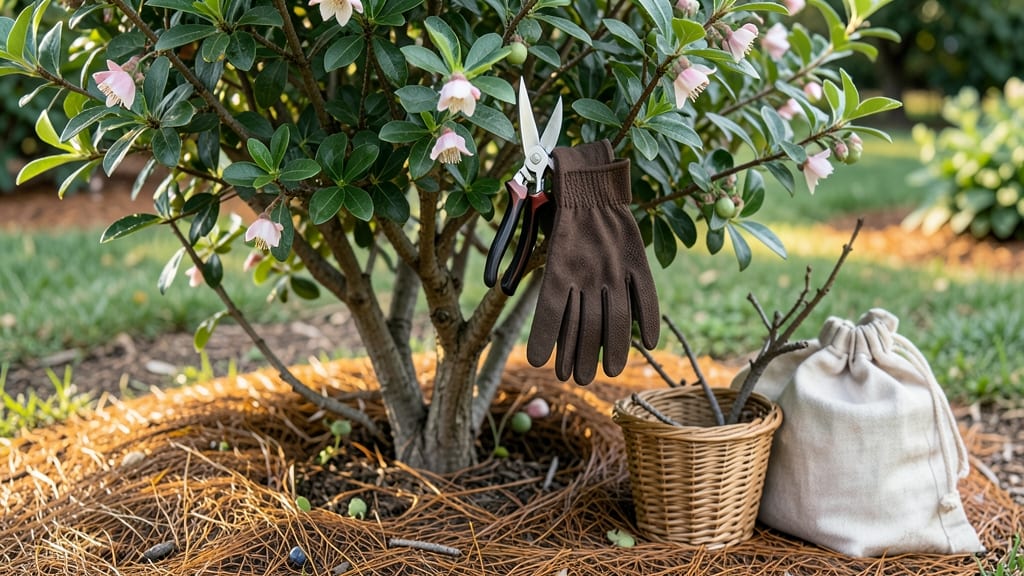
Pruning highbush blueberry bushes isn't just about trimming—it's about unlocking next year's harvest. 🌿 Last spring, I watched my bushes go from tangled messes to productive powerhouses after just three strategic cuts, and the berry yield doubled.
The key? Timing, technique, and knowing which canes to keep (and which to sacrifice for the greater good).
You'll need sharp pruners, a pair of gloves, and maybe a ladder if your bushes have grown taller than your reach. The best time to prune is late winter or early spring, before buds swell, but you can also do light maintenance pruning after harvest.
The goal is to remove dead, diseased, or crossing branches first—these are the ones stealing energy from your fruit production.
What you end up with is a bush that breathes easier, with sunlight reaching every branch and air circulating freely to prevent fungal diseases. Those neglected canes?
They'll produce fewer, smaller berries. But with proper pruning, you'll see clusters of plump, sweet blueberries that make picking a joy instead of a chore.
Works for any highbush variety, whether you're growing in containers or full sun garden beds. The same principles apply—just adjust the scale. Here's how to make those cuts count without overcomplicating it.
📚 In This Guide
- What you need
- Instructions
- Tips and common mistakes
- Wrapping up and next steps
What you need
- ● Pruning shears or loppers: Sharp, bypass-style pruners (for clean cuts) or loppers (for thicker branches). Size: 6–8" blades for shears, 16–24" for loppers.
- ● Hand pruners: For smaller, precise cuts (size: 5–6" blades).
- ● Disinfectant (70% isopropyl alcohol or bleach solution): 1 part bleach to 9 parts water (for sterilizing tools between cuts).
- ● Garden gloves: Heavy-duty, cut-resistant gloves to protect your hands.
- ● Rake or broom: To clear debris after pruning.
- ○ Pruning sealant (optional but helpful): For larger cuts to prevent disease entry (e.g., Tree Seal or pruning wax).
- ● Extension pole saw: For high branches (if bushes are tall).
- ● Marking spray or flags: To tag branches for removal (if pruning in stages).
- ● Mulch (pine straw or wood chips): To replenish after pruning and protect roots.
- ● Safety glasses: If dealing with thorny or overgrown bushes.
Instructions for pruning highbush blueberry bushes
Here's the straightforward method I've used for years to keep blueberry bushes thriving and producing berries season after season.
✂️ Step 1: Prune After Harvest in Late Summer
Wait until after the berries have fully ripened and been harvested—usually late July or August—before making your first cuts. This timing ensures you don’t accidentally remove next year’s fruit buds, which form on last year’s growth. Start by removing any dead, diseased, or crossing branches first. These are easy to spot—they’re either brown and brittle or growing into the center of the bush where they block light and air.
Use clean, sharp pruners to make cuts at a 45-degree angle, about ¼ inch above a bud that’s facing outward. This encourages the bush to grow more open and productive. I always prune on a dry, sunny day—wet branches can tear, and the sap won’t fly as much, making cleanup easier. If you see any mushroom-like growths at the base of the bush, that’s a sign of fungal issues, and those branches should go too.
✂️ Step 2: Thin Out Old Wood in Early Spring
In early spring, just as the buds begin to swell but before new growth starts (around March or April, depending on your climate), focus on thinning out older wood. Highbush blueberries produce their best fruit on 2- to 4-year-old wood, so any branches older than that are past their prime. Look for thick, woody stems that are larger than a pencil—these are the ones to remove. Cut them back to the ground or to a strong lateral branch.
This step is all about opening up the center of the bush. If you leave too many old branches, they’ll crowd out the younger, more productive growth. You’ll know you’ve done it right when you can see light and air moving through the center of the bush. Avoid cutting back more than one-third of the bush in any single year—this prevents shock and keeps the plant healthy.
✂️ Step 3: Shape and Maintain Throughout the Growing Season
During the growing season, keep an eye out for suckers—those are the little shoots growing from the base of the bush or along the roots. These are not productive and should be removed as soon as you spot them. Use your fingers or a small trowel to pull them out, being careful not to damage the main roots.
Also, watch for water sprouts—these are tall, thin stems growing straight up from the lower parts of the bush. They’re a sign the plant is putting energy into vertical growth instead of fruit production. Snip these off at the base with your pruners. Finally, if any branches are growing too close together, thin them out to improve airflow and reduce the risk of disease. A well-maintained blueberry bush should have a balanced, open shape with room for new growth.
✂️ Step 4: Light Winter Pruning for Structure
In late winter, just before the buds start to swell again (around February), do a quick structural check. Remove any broken, damaged, or weak branches that might have survived the winter. This is also a good time to shorten any overly long branches that grew out of control during the previous season. Cut them back to a strong lateral branch or bud to encourage a bushier shape.
I like to step back and visualize the bush from all sides—this helps me see if it’s balanced. If one side is significantly larger or denser than the other, I’ll make a few more cuts to even things out. Avoid heavy pruning in winter, though; blueberries are sensitive to cold stress, and too many cuts can weaken the plant. Just tidy up and keep the shape open for next year’s growth.
Tips & tricks for pruning highbush blueberry bushes
These simple yet game-changing insights will help you prune like a pro and keep your blueberry bushes thriving for years.
Tool Prep: Always disinfect your pruners with rubbing alcohol before you start—this prevents spreading disease between cuts. I also keep a small bucket of soapy water nearby to clean sap off my tools as I go. Sharp pruners make cleaner cuts that heal faster, so I sharpen mine with a file whenever I notice resistance while cutting. This is especially important for those 45-degree angles in Step 1.
Seasonal Timing Secret: The late July/August window for Step 1 is crucial because that's when fruit buds form on last year's growth. If you prune too early, you risk removing next year's potential harvest. I mark my calendar with a bright sticker to remind me—it's easy to forget after a big harvest! For Step 2 in early spring, watch for when buds begin to swell but haven't broken open yet—that's your perfect moment.
Visual Pruning Cues: When thinning old wood in Step 2, look for branches thicker than a pencil—these are your targets. I also check for branches that cross or rub against each other, as these create wounds that invite disease. In Step 3, suckers are easy to spot: they grow from the base or roots and have a different texture than main branches. For water sprouts, I remember they're like the bush's way of saying "I want to grow up instead of out!"
Winter Pruning Wisdom: In Step 4, focus on structure rather than drastic cuts. I like to visualize the bush as a vase shape—open at the top, narrower at the base. This shape allows sunlight to reach all the fruit buds. If you notice any branches growing toward the center, these are perfect candidates for removal to improve airflow and reduce humidity that can cause fungal issues.
Pro Tips for Pruning Highbush Blueberry Bushes
- These simple yet game-changing insights will help you prune like a pro and keep your blueberry bushes thriving for years.
- Tool Prep: Always disinfect your pruners with rubbing alcohol before you start—this prevents spreading disease between cuts.
- Seasonal Timing Secret: The late July/August window for Step 1 is crucial because that's when fruit buds form on last year's growth.
Frequently asked questions
Got questions about pruning highbush blueberry bushes? You’re not alone!
Here are answers to the most common concerns—from timing to tools—to help you keep your bushes thriving and productive.
When is the best time to prune highbush blueberries?
The ideal window is late winter or early spring (just before buds swell but before new growth starts). This ensures you remove dead wood while avoiding stress to the plant. Never prune in fall—it can expose the bush to winter damage. For established bushes, spread cuts over 2-3 years to avoid over-stressing the plant.
Can I prune highbush blueberries in summer?
Summer pruning is only for emergencies, like storm damage or pest-infested branches. Otherwise, avoid it—new cuts can slow fruit production and invite disease. If you must prune, do so early morning to reduce stress, and sterilize tools with rubbing alcohol to prevent infections. Wait until next winter for regular maintenance.
How much should I cut back my highbush blueberry bush?
For young bushes (under 3 years), remove 1/3 of the oldest canes each year to encourage new growth. Mature bushes (4+ years) can have 50-70% of the oldest wood removed—look for canes thinner than a pencil or gray/brown stems. Never cut more than 1/3 in a single year, or you’ll sacrifice next year’s harvest.
What if I prune at the wrong time?
If pruned too late (spring/summer), your bush may struggle to recover—watch for wilting, yellow leaves, or fewer berries. For fall pruning, cover cuts with pruning sealant and avoid heavy cuts. If you’ve already pruned incorrectly, focus on care—water deeply, mulch well, and fertilize lightly (use acid-loving plant food). Next year, adjust your timing!
Do I need special tools for pruning blueberries?
Yes! Use sharp, clean pruners (bypass pruners work best) and a loppers for thicker canes. Sterilize tools between cuts with rubbing alcohol or bleach water (1:10 ratio) to prevent bacterial/fungal spread. Avoid hedge trimmers—they tear wood and create jagged wounds. Pro tip: Keep a small bucket of soapy water handy to clean tools mid-pruning!
Wrapping up and next steps
Pruning your highbush blueberry bushes doesn’t have to be intimidating—it’s all about timing, technique, and a little patience. 🌿 By following seasonal guidelines and keeping your tools sharp, you’ll encourage healthier growth, bigger yields, and easier harvests for years to come.
Now that you’re armed with the know-how, grab those shears and get pruning! Start small if you’re new, and soon you’ll be a blueberry-pruning pro.
Next step: Mark your calendar for late winter (or early spring) to tackle your first pruning session—your bushes will thank you with juicy berries by summer! 🍇