
Shrubs
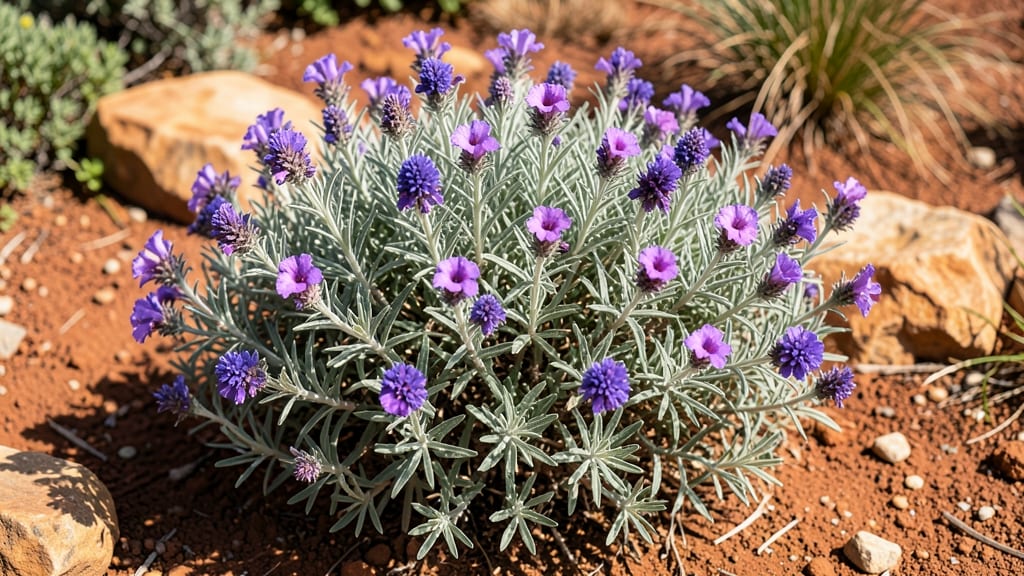
Texas heat doesn’t have to mean boring brown landscapes—purple bushes thrive here with zero fuss and year-round drama. 🌿 I’ve tested the toughest varieties in my Central Texas yard, and these five stand out for their drought resistance, vibrant foliage, and ability to attract butterflies while keeping maintenance simple.
The real magic happens in how they handle Texas summers: deep roots prevent wilting, silvery leaves reflect sunlight, and some even bloom in 100°F+ heat.
My Texas Sage (Salvia leucantha) puts on purple flower shows from September through December, while Blackfoot Daisy (Melampodium leucanthum) stays compact and blooms nonstop with almost no care. You’ll end up with a landscape that pops in every season—spring’s soft lavender blooms, summer’s heat-proof foliage, and fall’s fiery purple flowers.
These bushes work as standalone statement plants or layered with native grasses for a wildly textured look that’s uniquely Lone Star. Perfect for sunbaked front yards, low-water landscapes, or pollinator-friendly borders. Let’s pick the right one for your space!
📚 In This Guide
- What you need
- Instructions
- Tips and common mistakes
- Wrapping up and next steps
What you need
- ● Purple drought-resistant shrubs: 1–3 Texas Ranger (Leucophyllum frutescens) – 3–5 ft tall, full sun, well-drained soil
- ● 1–2 Blackfoot Daisy (Melampodium leucanthum) – 1–2 ft tall, thrives in heat, low water
- ● 1 Dwarf Plumbago (Plumbago auriculata ‘Compacta’) – 2–3 ft tall, blooms year-round with care
- ● Soil amendments: 5–10 lbs compost (for nutrient-rich soil)
- ● 1–2 lbs sand (if soil is clay-heavy, improves drainage)
- ● Planting tools: 1 garden shovel (for digging holes)
- ● 1 hand trowel (for delicate root adjustments)
- ● 1 pruners (sterilized, for trimming)
- ● 1 measuring tape (to space plants 3–6 ft apart)
- ● Watering supplies: 1 hose with adjustable nozzle or drip irrigation kit
- ● 5–10 gallon watering can (for post-planting care)
- ● Mulch: 2–3 bags pine straw or gravel mulch (retains moisture, suppresses weeds)
- ● Fertilizer: 1 slow-release granular fertilizer (10-10-10 ratio, apply in early spring)
- ● Erosion control: Landscape fabric (if planting on a slope)
- ● Decorative accents: Garden stakes or rocks (for aesthetics and plant support)
Step-by-Step guide to planting purple bushes in Texas
Here’s how to select, plant, and maintain drought-resistant purple shrubs that thrive in Texas heat.
🌱 Step 1: Choose the Right Purple Bushes for Your Texas Climate
Texas’s intense sun and dry spells demand shrubs that handle heat and drought. My top picks are Texas Sage (Leucophyllum frutescens), Dwarf Yaupon Holly (Ilex vomitoria ‘Nana’), and Cenizo (Leucophyllum candidum)—all of which bloom purple and require minimal water once established. These varieties also attract pollinators and resist common pests like spider mites.
Check your USDA Hardiness Zone (most of Texas falls in Zones 7-10) and match your bush to your region. For example, Texas Sage thrives in Zones 7-10, while Dwarf Yaupon Holly handles Zones 7-11. If your area gets below 20°F, opt for Cenizo, which tolerates brief cold snaps better than others.
🪴 Step 2: Prepare the Planting Site for Optimal Growth
Purple bushes in Texas need full sun (6+ hours daily) and well-draining soil to prevent root rot. Start by testing your soil’s drainage—dig a 6-inch hole, fill it with water, and time how long it takes to drain. If water lingers beyond 2 hours, amend the soil with 1 part sand or gravel to 3 parts native soil to improve airflow.
Choose a location with at least 4 feet of clearance around mature size (most Texas purple bushes reach 3-6 feet tall). Avoid low spots where water pools after rain. If your yard has heavy clay soil, mix in compost or aged manure to loosen the texture before planting.
☀️ Step 3: Plant with Proper Spacing and Watering Techniques
Dig a hole twice as wide as the root ball but no deeper—planting too deep suffocates roots. Gently remove the bush from its container and tease apart any circling roots with your fingers. Place the plant in the hole so the top of the root ball sits level with the surrounding soil (never buried).
Backfill with native soil, pressing lightly to eliminate air pockets. Water deeply (1-2 gallons per plant) to settle the soil, then add a 2-inch layer of mulch (like pine bark or gravel) to retain moisture and regulate temperature. Keep the mulch 6 inches away from the stem to prevent rot. Water every 2-3 days for the first 2 weeks until new growth appears.
💧 Step 4: Maintain Through Texas Seasons for Long-Term Color
Once established, purple bushes in Texas need deep watering every 7-10 days (or when the top 2 inches of soil feel dry). Overwatering is the fastest way to kill these drought-tolerant plants—always let the soil dry between waterings. Fertilize once in early spring with a balanced, slow-release fertilizer (10-10-10) to encourage blooms.
Prune in late winter or early spring (before new growth) to shape the bush and remove dead wood. Cut back one-third of the oldest stems to promote fresh growth and vibrant purple blooms. Avoid heavy pruning in summer—it stresses the plant during peak heat. Watch for aphids or scale insects (common in Texas heat) and treat with neem oil if spotted early.
⏰ Step 5: Plan for Year-Round Interest with Seasonal Care
Texas purple bushes reward patience—Texas Sage and Cenizo bloom in response to rain, often putting on spectacular shows after summer storms. To extend color, plant Dwarf Yaupon Holly (which has red berries) alongside your purple bloomers for winter interest. Group 3-5 bushes together for a striking visual impact.
In extreme heat (above 100°F), provide light afternoon shade (like a sheer fabric screen) to prevent leaf scorch. Most varieties bounce back quickly once temperatures drop. By fall, reduce watering slightly to harden off the roots for winter. With minimal care, these bushes will thrive for 10+ years, giving you purple beauty with almost no effort.
Tips & tricks for thriving purple bushes in Texas landscapes
These practical insights will help you avoid common pitfalls and maximize the stunning purple blooms your Texas garden deserves.
Hardiness Zone Matching: Double-check your specific USDA Zone within Texas—while most areas fall in Zones 7-10, microclimates can vary dramatically even within cities. For example, Austin's urban areas might experience slightly different temperature patterns than rural Hill Country. If you're on the border between Zones 9 and 10, consider planting Cenizo as your primary choice since it handles the broader temperature range better than Texas Sage.
Soil Test Shortcut: Instead of digging a 6-inch hole to test drainage, use this quicker method: Fill a clean plastic bottle with water, pour it into a hole, and time how long it takes to completely disappear. If it's gone in under 2 hours, your soil drains well. For heavy clay soils, mix in 1 part perlite to 2 parts native soil instead of sand—it's lighter and works better for Texas's alkaline soils. This adjustment prevents the common mistake of over-amending with sand, which can actually compact further.
Root Ball Preparation: When teasing apart circling roots in Step 3, don't just pull them—gently separate them with your fingers or a butter knife. This prevents root damage while encouraging outward growth. Pro tip: If your nursery plants have extremely tight root balls, soak them in water for 10-15 minutes before planting to help loosen the roots naturally. The 1-2 gallons of initial watering will be even more effective after this pre-treatment.
Seasonal Pruning Calendar: Mark your calendar for February 15th as your ideal pruning date—this gives you a buffer before Texas's unpredictable spring rains. For summer pruning (when absolutely necessary), limit yourself to removing only 10% of the plant's volume to avoid shocking the system. I've seen many Texas gardeners over-prune in summer heat, which leads to stressed plants that struggle to recover before winter.
Pro Tips for Purple Bushes In Texas
- These practical insights will help you avoid common pitfalls and maximize the stunning purple blooms your Texas garden deserves.
- Hardiness Zone Matching: Double-check your specific USDA Zone within Texas—while most areas fall in Zones 7-10, microclimates can vary dramatically even within cities.
- Soil Test Shortcut: Instead of digging a 6-inch hole to test drainage, use this quicker method: Fill a clean plastic bottle with water, pour it into a hole, and time how long it takes to completely disappear.
Frequently asked questions
Got questions about adding purple bushes to your Texas landscape?
Here are some of the most common ones—and their answers—to help you make the best choices for your yard!
Which purple bushes thrive best in Texas’s hot, dry climate?
The top drought-resistant picks are Texas Sage (Leucophyllum frutescens), Dwarf Plumbago (Plumbago auriculata), and Texas Betony (Stachys coccinea). These beauties handle heat, poor soil, and minimal water once established—perfect for Texas’s Zone 7-10 conditions!
How long does it take for purple bushes to bloom after planting?
Most drought-resistant purple bushes bloom within 1-2 years, depending on care and conditions. Texas Sage often flowers in its first year with proper watering, while others like Dwarf Plumbago may take a bit longer. Pro tip: Prune lightly in early spring to encourage fuller, faster blooms!
How often should I water newly planted purple bushes in Texas?
For the first 6-12 months, water deeply 1-2 times per week (more in extreme heat). Once established, most purple bushes need water only every 2-3 weeks—or during prolonged droughts. Overwatering is the #1 killer! Let soil dry between waterings.
Can I mix purple bushes with other colors for a striking landscape?
Pair Texas Sage (silvery-purple) with Blue Porter Weed (Stachytarpheta jamaicensis) or Salvia ‘Black & Blue’ for a bold contrast. For softness, add Mexican Feather Grass (Nassella tenuissima) or Lantana (yellow/orange blooms). Texture matters too!
Are purple bushes in Texas prone to pests or diseases?
Most are pest-resistant, but watch for aphids (spray with soapy water) or whiteflies (neem oil helps). Root rot is the biggest risk—plant in well-draining soil and avoid soggy spots. Healthy soil = happy bushes! Mulch lightly to retain moisture without suffocating roots.
Wrapping up and next steps
Transforming your Texas landscape with purple bushes isn’t just about adding color—it’s about creating a resilient, low-maintenance oasis that thrives even in the heat. From the hardy Texas Sage to the vibrant Lantana, these drought-resistant beauties bring year-round charm while saving you time and water.
Whether you’re a seasoned gardener or just starting, these plants make it easy to enjoy nature’s artistry with minimal effort.
Ready to get started? Pick one (or three!) purple bushes that match your yard’s style and soil, then plant them with confidence. Your future self—and your neighbors—will thank you for the stunning, stress-free curb appeal! 🌸✨