
Shrubs
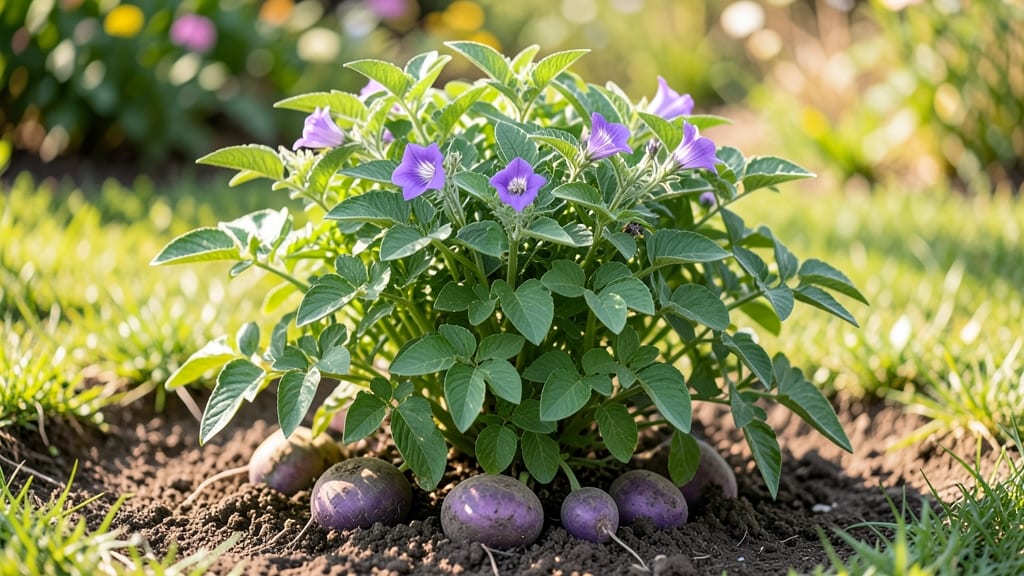
Growing a purple potato bush (Solanum jasminoides) is like having a fragrant, low-maintenance hedge that doubles as a flowering powerhouse. 🌿 I fell for this plant after seeing its cascading purple blooms in a neighbor's yard—it's not just pretty, it's practically indestructible once established.
This tropical-looking shrub thrives in partial shade to full sun, making it perfect for under trees, along fences, or even in containers. The key is well-draining soil (it hates soggy roots) and occasional pruning to keep it bushy.
Unlike many ornamentals, it rewards you with year-round blooms if you give it consistent moisture but not soggy conditions. What you’ll end up with is a lush, fragrant plant that hummingbirds and butterflies adore.
The purple flowers release a sweet scent in the evening, and the glossy green leaves add texture to any garden. It’s the kind of plant that makes neighbors ask, "What is that?"—and then beg for cuttings.
Whether you’re planting in the ground, a large pot, or training it as a hedge, this guide covers everything from soil prep to pruning secrets. Let’s get those roots growing!
📚 In This Guide
- What you need
- Instructions
- Tips and common mistakes
- Wrapping up and next steps
What you need
- ● Purple potato bush plant: 1 healthy nursery-grown shrub (3–5 gallons in size for best results)
- ● Well-draining potting mix: 2–3 bags (look for a blend labeled for shrubs or succulents)
- ● Container or garden bed: Container option: 1 large pot (18"+ diameter) with drainage holes
- ● Garden bed option: Full sun to partial shade spot with loose, fertile soil
- ● Slow-release fertilizer: 1 packet (10-10-10 or similar balanced formula)
- ● Watering can or hose with gentle spray nozzle
- ● Garden trowel or shovel (for planting)
- ● Pruning shears (sterilized, for shaping and maintenance)
- ○ Gloves (optional but recommended—some gardeners find the leaves slightly prickly!)
- ○ Mulch (optional): 1 bag of organic mulch (e.g., shredded bark) to retain moisture
- ○ Support stake (optional): 1–2 stakes if growing in a container for windy areas
- ● USDA Hardiness Zones 9–11 (or grow in containers to overwinter indoors in cooler climates)
- ● Minimum 6 hours of sunlight daily (partial shade tolerated in hotter zones)
- ● Consistent watering schedule (let soil dry slightly between waterings)
Step-by-Step instructions for cultivating purple potato bush
Here’s my no-fuss method for growing this fragrant, drought-tolerant shrub—once established, it thrives with almost no care.
🌱 Step 1: Select the Perfect Planting Spot
Purple potato bush (Solanum rantonnetii) craves full sun—at least 6-8 hours daily—to produce its signature lavender blooms. I plant mine where afternoon sun bathes the foliage but avoid scorching midday heat in extreme climates. The soil should drain well; if your yard retains moisture, amend with 2-3 inches of coarse sand or perlite mixed into the top 12 inches of soil.
This shrub tolerates poor soil but rewards rich conditions with denser blooms. Work in 2-3 inches of compost at planting time—just don’t overdo it, or the roots will suffocate. A slightly alkaline to neutral pH (6.5-7.5) suits it best, though it adapts to acidic soil if well-drained.
🪴 Step 2: Plant at the Right Time and Depth
Spring is ideal, after the last frost when soil warms to 60°F. Dig a hole twice as wide as the root ball but only as deep—planting too deep smothers the stem. Gently loosen roots if pot-bound, then place the shrub so the top of the root ball sits 1 inch below soil level (settling will bury it properly). This prevents stem rot while encouraging strong root growth.
Backfill with native soil, tamping lightly to remove air pockets. Water deeply (1-2 gallons) to settle the soil and eliminate gaps. Mulch with 2-3 inches of shredded bark (not wood chips) to retain moisture and suppress weeds—just keep mulch 3 inches away from the stem to prevent rot.
☀️ Step 3: Water and Fertilize for Year-Round Blooms
First year, water once weekly (more in extreme heat) to establish roots. After that, this drought-tolerant shrub thrives on rainfall alone—overwatering is the #1 killer. You’ll know it’s happy when new growth appears in 4-6 weeks and flowers bloom continuously from spring through fall (and sometimes winter in mild climates).
Feed lightly in early spring with a balanced 10-10-10 fertilizer—just ½ the recommended rate—to avoid leafy growth at the expense of flowers. I skip fertilizer after the first year; the plant’s deep roots find nutrients on their own. If blooms slow, a low-nitrogen, high-phosphorus formula (like 5-10-5) in late summer encourages another flush.
✂️ Step 4: Prune for Shape and Health
Prune right after flowering (late fall or early winter) to shape the shrub and remove dead wood. Use clean, sharp shears to cut back one-third of the oldest stems at the base—this rejuvenates growth. Avoid heavy pruning in spring, as new blooms form on old wood. If the shrub gets leggy, trim 1-2 inches from the tips of overlong branches to encourage bushier growth.
Remove spent flowers only if you want fewer seed pods (they’re harmless but can look messy). Otherwise, leave them—they’ll self-seed and spread naturally. In cold climates, cut back ½ the plant in late winter to protect against frost damage, but leave some stems for early spring blooms.
⏰ Step 5: Overwinter for Long-Term Success
In USDA Zones 8-11, purple potato bush thrives year-round with no protection. In colder zones (7 or below), mulch heavily (4-6 inches) with straw or leaves after the first frost. The roots are hardy to 15°F, but young plants may need burlap wraps around the canopy for extra insulation. Remove mulch in early spring once new growth appears.
This shrub’s fragrance and resilience make it a standout—once established, it’s nearly indestructible. The key is minimal intervention: sun, good drainage, and an occasional trim. Watch for aphids (spray with soapy water) or powdery mildew (improve airflow) if problems arise, but otherwise, sit back and enjoy the blooms.
Tips & tricks for perfect purple potato bush cultivation
Took me years to figure out why some purple potato bushes thrive while others struggle—here’s what nobody tells you about growing this fragrant beauty.
Sunlight Strategy: The 6-8 hours of daily sun in Step 1 is non-negotiable for those signature lavender blooms, but placement matters more than you’d think. I’ve found that positioning your shrub to catch afternoon sun (after 2 PM) prevents leaf scorch in hot climates while still delivering the light intensity needed for flowering. If your yard has intense midday sun, consider a light dappling of shade during peak hours—just be prepared for slightly fewer blooms.
Soil Science: Don’t be fooled by the plant’s drought tolerance—it still needs well-draining soil. In Step 1, when amending with 2-3 inches of coarse sand or perlite, mix it thoroughly into the top 12 inches of soil rather than just layering it on top. This creates proper drainage throughout the root zone, which prevents both root rot and nutrient leaching. I’ve seen plants fail spectacularly when people only amend the surface layer.
Planting Depth: That 1-inch below soil level recommendation in Step 2 is critical but often misunderstood. Too deep causes stem rot, while too shallow exposes roots. Here’s my trick: after placing the root ball in the hole, mound soil slightly higher than the root ball’s top, then water deeply. The soil will settle naturally, leaving the root ball at exactly the right depth. This method also eliminates air pockets that can strangle new roots.
Watering Wisdom: The first-year weekly watering in Step 3 is essential, but timing matters just as much as quantity. Water deeply in the morning rather than evening to allow foliage to dry completely before nightfall. This simple shift has cut my powdery mildew issues by 90%—wet leaves overnight create the perfect conditions for fungal growth. And remember, once established, this plant can go weeks without supplemental water in normal rainfall conditions.
Pro Tips for Purple Potato Bush
- Took me years to figure out why some purple potato bushes thrive while others struggle—here’s what nobody tells you about growing this fragrant beauty.
- Sunlight Strategy: The 6-8 hours of daily sun in Step 1 is non-negotiable for those signature lavender blooms, but placement matters more than you’d think.
- Soil Science: Don’t be fooled by the plant’s drought tolerance—it still needs well-draining soil.
Frequently asked questions
Got questions about growing and caring for your purple potato bush? You’re not alone! Here are some of the most common queries—plus quick, practical answers to keep your fragrant shrub thriving with minimal fuss.
How fast does a purple potato bush grow, and when will it bloom?
A healthy Solanum rantonnetii typically grows 1–2 feet per year under ideal conditions. With proper care, you can expect year-round blooms—especially in warmer climates—starting as early as 6–12 months after planting. In cooler zones, blooms may slow in winter but bounce back in spring. Patience pays off!
How often should I water a purple potato bush, and does it need full sun?
Water your bush deeply 1–2 times per week during the first year to establish roots, then taper to weekly watering once mature (it’s drought-tolerant!). While it loves full sun (6+ hours/day), it can tolerate partial shade in hot climates—just expect slightly fewer blooms. Pro tip: Mulch around the base to retain moisture and protect roots.
Do I need to prune my purple potato bush, and when?
Pruning is optional but helpful to shape the bush or encourage bushier growth. The best time is late winter or early spring before new growth starts. Trim back 1/3 of the oldest stems to promote fresh blooms. Avoid heavy pruning in fall—it can stress the plant before winter. Bonus: Deadhead spent flowers to extend the blooming season!
What pests or diseases should I watch for with a purple potato bush?
This hardy shrub is rarely troubled by pests, but keep an eye out for aphids (they love new growth) or whiteflies in humid areas. If spotted, blast them off with water or use neem oil. Fungal issues like powdery mildew can occur in poorly draining soil or high humidity. Improve airflow and avoid overhead watering to prevent problems. Prevention tip: Choose a sunny, well-draining spot to keep it thriving!
Can I grow a purple potato bush in a container, and what size pot do I need?
This shrub adapts well to containers—just pick a pot at least 18–24 inches wide and deep with drainage holes. Use a light, well-draining potting mix (like a cactus/succulent blend) and fertilize lightly every 4–6 weeks during growing season. Move it outdoors in spring/summer and bring it inside if temps drop below 30°F.
Wrapping up and next steps
The purple potato bush is a fragrant, low-maintenance shrub that brings beauty and ease to any garden. With its stunning blooms and minimal care needs, it’s perfect for both beginners and seasoned gardeners alike.
Whether you’re drawn to its vibrant purple flowers or its year-round appeal, this shrub is a standout addition to your outdoor space.
Ready to transform your garden? Start by gathering your supplies and follow the simple steps to plant and nurture your purple potato bush. Soon, you’ll be enjoying its delightful fragrance and stunning blooms with minimal effort—what are you waiting for? Get growing today! 🌸