
Pests
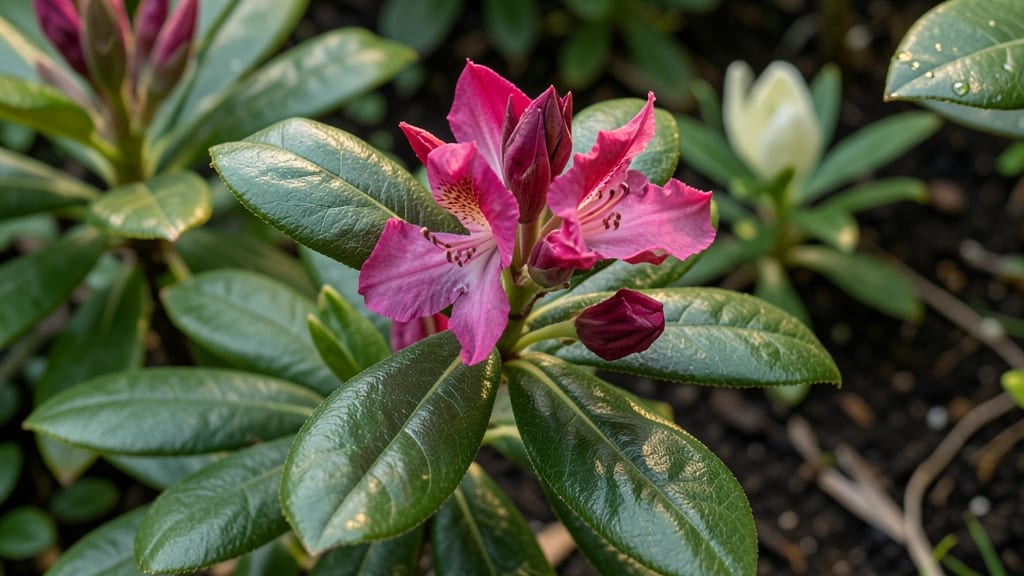
My rhododendron bush deer-resistant blend saved my garden last winter—no fences, no repellents, just smart plant choices and natural deterrents that finally worked. 🌿 The key? Combining tough varieties with plants deer actively dislike, creating a buffer zone they’ll avoid.
After losing three bushes in a single night, I now have a thriving hedge that even the neighborhood bucks leave alone.
Start with deer-resistant rhododendron varieties like 'Nova Zembla' or 'PJM'—their leathery leaves and strong scent deter browsers. Pair them with deer-dislike plants like boxwood, hellebores, or Russian sage, which act as living repellents.
Physical barriers like 8-foot tall evergreens (like arborvitae) or deer-proof netting (wrapped loosely) add another layer. The goal? Make your garden less appealing than the meadow next door.
By spring, you’ll see lush, undamaged foliage with no chewed edges or broken stems—proof the strategy works. Deer avoid areas where they can’t easily graze, and this blend forces them to keep moving.
The best part? Your garden stays fragrant, vibrant, and deer-free without harsh chemicals or eyesores like fences. Once established, these plants become nearly impenetrable.
Works in woodland gardens, foundation plantings, or mixed borders—anywhere deer are a problem. For extra protection, add garlic or hot pepper sprays (reapply after rain) to the mix.
The combination of tough plants, natural repellents, and strategic placement creates a fortress deer simply won’t bother with. Here’s how to set it up right the first time.
📚 In This Guide
- What you need
- Instructions
- Tips and common mistakes
- Wrapping up and next steps
What you need
- ● Rhododendron plants: 3–5 mature bushes (choose deer-resistant varieties like Rhododendron catawbiense or Rhododendron 'PJM')
- ● Deer-resistant companion plants: Boxwood (Buxus sempervirens) – 2–3 shrubs
- ● Daphne (Daphne odora) – 1–2 plants
- ● Lavender (Lavandula) – 3–5 plants
- ● Organic mulch: 2–3 bags of cedar chips or pine bark (deer dislike the scent!)
- ● Compost or well-aged manure: 1–2 cubic yards (for soil enrichment)
- ● Slow-release fertilizer: 5–10 lbs (look for a 10-10-10 or acid-loving plant blend)
- ● Garden gloves: 1 pair (nitrile-coated for durability)
- ● Pruners: 1 pair (bypass pruners for clean cuts)
- ● Garden fork or tiller: For aerating soil (rent or borrow if needed)
- ● Watering can or hose with nozzle: 5+ gallons capacity
- ● Measuring tape: To space plants 3–5 feet apart
- ○ Spray bottle: For diluting optional deer repellent sprays (see below)
- ● Sunlight access: Partial shade (4–6 hours of dappled light daily)
- ● Well-draining soil: pH 4.5–6.0 (test kit recommended)
- ● Deer repellent spray: 1–2 bottles (e.g., Liquid Fence or homemade garlic-chili mix)
- ● Fencing or netting: Temporary barrier (if deer are persistent)
- ● Soil amendments: Peat moss (1–2 bags)
- ● Sulfur (for acid-loving plants)
- ● Mulch rings: To keep mulch in place and deter nibbling
How to protect rhododendrons naturally from deer damage
Deer adore rhododendrons, but these plants can thrive without becoming a buffet. Here’s how to create a deer-resistant barrier using natural, garden-friendly methods.
🌿 Step 1: Choose Deer-Resistant Rhododendron Varieties
Not all rhododendrons are equally appealing to deer. Opt for varieties like ‘PJM’ or ‘Catawbiense’, which deer tend to avoid due to their tougher foliage and milder scent. These cultivars have naturally thicker leaves and higher concentrations of tannins, making them less palatable. I always check the plant tag for deer-resistant labels before purchasing—it saves headaches later.
If you already have vulnerable varieties, like ‘Nova Zembla’ or ‘Elizabeth’, don’t worry. The next steps will still protect them, but starting with resistant types gives you an extra layer of defense. Plant these varieties in groups of at least three bushes—deer are less likely to target clustered plants, as they prefer isolated, easy-to-reach meals.
🌱 Step 2: Apply Natural Deer Repellents to Foliage
Deer rely heavily on scent, so masking your rhododendrons’ natural fragrance with strong, unpleasant odors deters them. Mix one part hot pepper sauce (like cayenne) with two parts water, then add a few drops of garlic or rotten egg scent for extra potency. Spray this blend directly onto the leaves and stems, focusing on new growth where deer tend to browse first.
Reapply every 7-10 days or after heavy rain, as the scent washes away. I like to spray in the early evening—deer are most active at dawn and dusk, so they’ll encounter the repellent when they’re most likely to investigate. Avoid spraying on blooms, as the chemicals can harm pollinators. Instead, apply only to foliage and stems.
☀️ Step 3: Create Physical Barriers Around the Planting Area
For young or newly planted rhododendrons, a physical barrier is your best defense. Use chicken wire or hardware cloth (at least 2 feet tall) wrapped around the base of the bush, extending outward 12-18 inches. Bury the bottom 6 inches deep to prevent deer from digging underneath. This creates a temporary fence that’s invisible to deer but effective at keeping them out.
If you prefer a more natural look, plant thorny shrubs like barberry or pyracantha around the perimeter of your rhododendron bed. Deer avoid these plants due to their sharp foliage and unpleasant texture. Just ensure the thorny shrubs are mature enough to deter deer before relying on them—young plants won’t provide enough protection.
✂️ Step 4: Use Motion-Activated Deterrents
Deer are skittish creatures, and sudden movements or loud noises can scare them away. Install motion-activated sprinklers around your rhododendrons—these devices detect movement and spray a gentle burst of water when deer approach. The surprise alone is often enough to make them think twice about browsing. Position the sprinklers 18-24 inches from the plant, so they trigger before deer get too close.
For a quieter alternative, try reflective tape or old CDs hung from tree branches near your rhododendrons. The flashing light catches deer’s attention and confuses them, making them less likely to linger. I’ve seen this work especially well in wooded areas where deer feel hidden and secure. Combine this with the repellent spray for maximum effectiveness.
🌿 Step 5: Maintain Healthy, Resilient Plants
Stressed or nutrient-deficient rhododendrons are more vulnerable to deer damage. Ensure your bushes receive adequate water—deep watering once a week (or more in drought conditions) keeps them lush and less appealing. Apply a slow-release fertilizer in early spring to promote strong, healthy growth, which deer find less palatable.
Prune your rhododendrons after flowering (typically in late summer) to remove any damaged or dead foliage. This encourages new, vigorous growth and makes the plant less inviting to deer. I also recommend mulching with pine needles or wood chips—the acidic layer mimics their natural forest floor environment and adds an extra layer of scent deterrence.
Tips & tricks for creating a deer-resistant rhododendron haven
Real talk: Deer can turn your carefully cultivated garden into a buffet overnight. These strategies will help you build an impenetrable defense system for your rhododendrons without resorting to harsh chemicals.
Plant Placement Strategy: In Step 1, when selecting varieties like ‘PJM’ or ‘Catawbiense’, position them near high-traffic areas or along property edges where deer are less likely to venture. Deer prefer browsing in open fields, so placing your rhododendrons near fences, hedges, or other dense vegetation creates a natural barrier they’ll avoid. I’ve noticed that deer are particularly hesitant to cross open pathways—use this to your advantage by creating visual and physical corridors that guide them away from your prized bushes.
Repellent Application Technique: For Step 2, when mixing your hot pepper repellent, add a few drops of dish soap to help the solution adhere better to the leaves. This creates a thin film that lasts longer between applications. I’ve found that applying the repellent in the early evening—when deer are most active—gives you the best protection. The scent lingers through the night and into the morning when deer are most likely to browse. Just remember to avoid blooms to protect pollinators while still deterring deer from the foliage.
Barrier Installation Insight: When creating physical barriers in Step 3, consider using a combination of chicken wire and landscape fabric for extra durability. The fabric prevents weeds from growing at the base while the wire deters digging. For established rhododendrons, you can create a "deer-proof" perimeter by planting a double row of thorny shrubs like barberry, with about 3 feet between the rows. This creates a natural thorny corridor that deer will avoid, while still allowing sunlight and water to reach your rhododendrons.
Motion Deterrent Placement: In Step 4, when installing motion-activated sprinklers, position them at slightly different angles around each bush. This creates overlapping coverage zones that trigger more consistently. I’ve found that placing sprinklers about 18-24 inches from the plant—just outside the browsing zone—gives deer the biggest scare without wetting your rhododendrons directly. For reflective deterrents, hang CDs or reflective tape at different heights to create a disorienting visual effect that works day and night.
Pro Tips for Rhododendron Bush Deer Resistant
- Real talk: Deer can turn your carefully cultivated garden into a buffet overnight.
- Plant Placement Strategy: In Step 1, when selecting varieties like ‘PJM’ or ‘Catawbiense’, position them near high-traffic areas or along property edges where deer are less likely to venture.
- Repellent Application Technique: For Step 2, when mixing your hot pepper repellent, add a few drops of dish soap to help the solution adhere better to the leaves.
Frequently asked questions
Got questions about deer-resistant rhododendrons?
You’re not alone! Here are the most common queries—and the answers you need to keep your garden thriving.
Are rhododendrons truly deer-resistant, or will they still get eaten?
While rhododendrons are less appealing to deer than other plants, they’re not 100% deer-proof. The key is choosing strongly scented varieties (like Rhododendron 'Catawbiense') and combining them with natural deterrents like fencing, repellents, or companion plants (e.g., daffodils or boxwood). Deer may nibble if hungry, but the bitter taste usually deters them.
How long does it take for a rhododendron to become deer-resistant?
Rhododendrons develop their natural defenses (like milky sap and strong fragrance) as they mature—typically within 2–3 years of planting. Young plants are more vulnerable, so protect them with physical barriers (like wire mesh) or spray repellents until they establish a robust root system and foliage.
What’s the best deer-resistant alternative if rhododendrons still get munched?
If deer are relentless, try these highly resistant plants that thrive in similar conditions:
- Boxwood (Buxus) – Deer rarely touch it due to its dense, bitter leaves.
- Daffodils (Narcissus) – Toxic bulbs keep deer away while adding spring color.
- Holly (Ilex) – Spiky leaves and bitter taste deter browsing.
- Russian Sage (Perovskia) – Strong scent and fuzzy foliage are unappealing.
For a rhododendron-like look, consider Pieris japonica (andromeda), which deer often avoid.
What’s the easiest way to make a rhododendron more deer-resistant?
Boost their defenses with these low-effort tricks:
- Mulch heavily with pine needles or cedar chips—they release natural deer-repelling oils.
- Plant near deer-deterring companions like lavender, rosemary, or alliums.
- Water plants thoroughly—deer prefer crisp, dry foliage.
- Apply a homemade spray (1 tbsp hot pepper sauce + 1 gallon water + a drop of dish soap) every 2 weeks.
Combine these with physical barriers (like 8-foot fencing) for the best results.
My rhododendron leaves are chewed but no deer are around—what’s eating them?
If deer aren’t the culprit, suspect:
- Rabbit damage – Look for clean, jagged edges (rabbits prefer tender new growth).
- Japanese beetles – Skeletons of leaves? Handpick them or use neem oil.
- Voles or mice – Gnawed stems near the base? Use snap traps or castor oil repellent.
- Deer-like pests (like wild hogs) – Check for larger, deeper bites and hoof prints.
Set up a trail camera to identify the real culprit!
Wrapping up and next steps
Ready to transform your garden into a deer-proof haven without harsh chemicals? 🌿✨ A deer-resistant rhododendron bush isn’t just a stunning addition—it’s a natural, low-maintenance solution that thrives while keeping critters at bay.
By blending fragrant varieties like Rhododendron 'Catawbiense' or 'Nova Zembla' with deer-deterring plants like boxwood or hellebore, you’re creating a lush, resilient landscape that’s both beautiful and functional.
Now’s the time to roll up your sleeves! Start small—plant a few rhododendrons near high-traffic deer zones or pair them with other repellent plants for a layered defense. Your peaceful garden awaits!