
Light Requirements
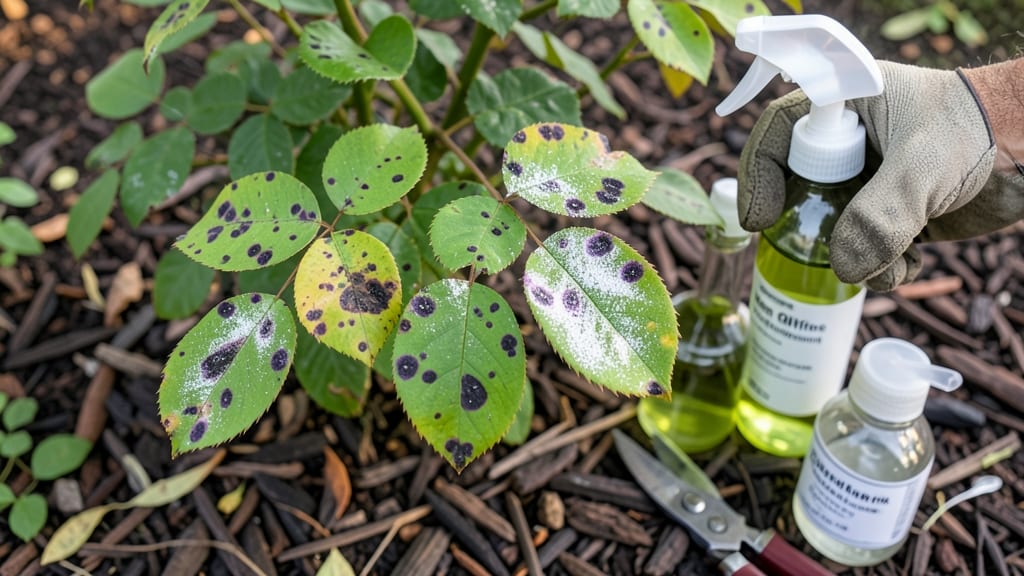
Your roses might look stunning now, but rose bush blight could be silently killing them from the inside out. 🌹 The blackened cankers on stems, sudden wilting, and yellowing leaves aren’t just cosmetic—they’re a fungal infection that spreads fast if you don’t act.
Most gardeners I know (myself included) ignore early signs until it’s too late. The culprits? Diplodia or Cylindrocladium—sneaky fungi that thrive in damp, crowded conditions. The good news? You can stop it in its tracks with three targeted steps that actually work, not just theory.
By pruning infected stems below the canker (yes, it hurts to cut healthy growth), applying copper fungicide, and spacing plants for airflow, you’ll see new green shoots within 2-3 weeks. The key is acting before the fungus moves to the roots.
This works for hybrid teas, floribundas, and even old garden roses. Let’s get those bushes fighting back—before next season’s blooms turn to mush.
Root Causes Of Fungal Spread
When your prized rose bushes start showing signs of blight, it’s often a silent battle between your plants and unseen fungal invaders. Understanding why these pathogens take hold is the first step to stopping them in their tracks.
Below, we break down the key triggers—from environmental conditions to gardening habits—that create the perfect storm for fungal outbreaks.
Fungal spores thrive in moisture-rich environments, and rose bushes are particularly vulnerable when they’re left damp for prolonged periods. Here’s why:
- High humidity (above 70%) creates a perfect breeding ground for pathogens like Diplocarpon rosae (black spot) or Marssonina rosae (angular leaf spot). Spores germinate faster in these conditions, spreading rapidly across leaves and stems.
- Poor air circulation—common in dense rose bushes or shaded areas—traps moisture against foliage, preventing leaves from drying quickly after rain or watering.
- Frequent overhead watering (especially in the evening) soaks leaves, mimicking a tropical rainforest’s dampness. Unlike roots, which need moisture, leaves should stay dry to deter fungal growth.
Pro Tip: 💡 Aim for early morning watering (before 10 AM) to allow foliage to dry within 4–6 hours. Use a soaker hose or drip system to target roots, not leaves.
Fungal spores are opportunistic—they lie dormant in dead leaves, fallen petals, and mulch until conditions are right. Neglecting cleanup turns your garden into a spore buffet:
- Infected plant debris (e.g., blackened leaves, stems with cankers) harbor spores that survive winter and reinfect next season. One infected leaf can produce thousands of spores.
- Organic mulch piled too thickly (especially near the base of the bush) retains moisture and blocks airflow, creating a fungal hotspot.
- Reusing contaminated tools (pruners, shears) spreads spores from diseased plants to healthy ones. Clean tools with 70% isopropyl alcohol between cuts.
Action Step: ✨ Remove and dispose of infected foliage immediately (don’t compost it!). Sterilize tools after pruning, and thin mulch to 2–3 inches with gaps for airflow.
Stressed roses are fungal magnets. When bushes lack nutrients, sunlight, or space, their defenses weaken, making them easy targets:
- Nitrogen deficiency leads to thin, weak foliage with less natural resistance. Fungi exploit these gaps like a crack in a dam.
- Overcrowded planting reduces airflow, trapping humidity and spores. Roses need 3–4 feet of space between bushes for proper ventilation.
- Compacted or waterlogged soil stresses roots, slowing nutrient uptake and making plants more susceptible to fungal invasions.
Fix It: 🌱 Amend soil with compost or aged manure for balanced nutrition, and prune to open the canopy (aim for outward-facing buds to improve airflow).
Fungi love moderate temperatures (60–80°F), but sudden shifts—like cool nights after hot days—trigger stress responses in roses, lowering their resistance:
- Early fall or spring is peak blight season because warm days + cool nights = condensation on leaves, ideal for spore germination.
- Frost damage weakens cell walls, making roses more permeable to fungal entry.
- Heat stress (above 90°F) can also suppress plant immunity, leaving them defenseless.
Preventative Tip: 🌡️ Monitor microclimates in your garden. Use shade cloth in peak sun or row covers in early spring to buffer temperature swings.
By addressing these root causes—moisture, sanitation, stress, and temperature—you’ll disrupt the fungal lifecycle before it gains a foothold. Next, we’ll tackle targeted treatments to reclaim your roses’ health.
Revive Your Roses Fast
Blight on your rose bushes doesn’t have to mean the end of their beauty—with the right approach, you can nurse them back to health and keep future outbreaks at bay.
Below, we map out practical, step-by-step solutions tailored to the root causes of fungal blight, from immediate fixes to long-term prevention. Let’s get your roses thriving again!
Cause: Fungal spores thrive on infected leaves, stems, and debris. Fix: Act fast to stop the spread before it worsens.
- 🍳 Trim infected foliage – Use sterilized pruners (wipe with rubbing alcohol between cuts) to remove blackened, yellowed, or mushy leaves/stems.
Cut at least 6 inches below the blight to ensure you’re removing the infected tissue. - 👨🍳 Bag and dispose – Place pruned material in a sealed plastic bag (not your compost bin!) and toss it in the trash.
Fungal spores can survive in compost and reinfect your roses. - 🥘 Clean up debris – Rake away fallen leaves, petals, and mulch around the base of the bush. Fungal spores love hiding in organic matter.
💡 Pro Tip: Prune on a dry, sunny day—moisture spreads spores faster. If possible, prune in the late morning so wounds have time to dry before evening dew sets in.
Cause: Fungal blight spreads via spores, especially in humid conditions. Fix: Use targeted treatments to break the fungal cycle.
🎯 Organic Options (Safe for Bees & Soil)
- 🍄 Neem oil spray – Mix 1 tbsp neem oil + 1 tsp mild soap + 1 quart water. Spray every 7–10 days until new growth appears.
Neem disrupts fungal spores and prevents reinfection. - 🌿 Copper fungicide – Apply a ready-to-use copper-based spray (like Bonide Copper Fungicide) every 1–2 weeks during rainy or humid periods.
Copper creates a protective barrier on leaves. - 🍎 Baking soda solution – For early-stage blight, mix 1 tsp baking soda + 1 quart water + a few drops of dish soap. Spray directly on leaves (avoid flowers to protect pollinators).
✨ Chemical Options (Faster but Stronger)
- 🔥 Systemic fungicides (like Myclobutanil or Propiconazole) – These absorb into plant tissue for longer protection (follow label rates).
Best for severe or recurrent outbreaks. - 💦 Contact fungicides (like Chlorothalonil) – Works on surface-level spores but requires reapplication after rain.
💡 Pro Tip: Rotate fungicides if blight keeps returning—fungi can build resistance. Always apply in the evening to reduce UV breakdown of the treatment.
Cause: Poor airflow, overwatering, or stress weakens roses, making them blight magnets. Fix: Optimize growing conditions to strengthen defenses.
- 🌬️ Improve airflow – Thin out crowded canes (remove 1/3 of the oldest stems) and space bushes 3–4 feet apart.
Use a fan on low near the garden for a few hours daily if humidity is extreme. - 💧 Water wisely – Water at the base (not overhead) early in the morning.
Avoid late-afternoon watering, which leaves leaves damp overnight—fungi’s favorite breeding ground. - 🌱 Boost soil health – Amend soil with compost to improve drainage. Avoid nitrogen-heavy fertilizers (they promote lush, weak growth).
Instead, use a balanced 10-10-10 or organic rose fertilizer with phosphorus and potassium to strengthen roots. - ☀️ Maximize sunlight – Blight loves shady, damp conditions. Ensure roses get at least 6 hours of direct sun daily.
💡 Pro Tip: Mulch correctly—use 2–3 inches of organic mulch (like pine straw or shredded bark) but keep it 2 inches away from the stem to prevent moisture buildup.
To keep blight from staging a comeback, make these habits permanent: ✅ Inspect weekly – Check for black spots, wilting, or sticky residue (signs of fungal activity). ✅ Sterilize tools – Clean pruners and shears with rubbing alcohol between uses. ✅ Rotate fungicides – If you use chemicals, switch types seasonally to prevent resistance. ✅ Plant resistant varieties – Try ‘Knock Out’ roses, ‘Dr. Huey’ (disease-resistant hybrids), or ‘The Fairy’—these are bred to fight blight better. ✅ Winterize properly – In fall, remove all debris and apply a layer of mulch to protect roots from spring moisture surges.
Final Thought: 🌹 Patience is key—some roses may take 4–6 weeks to fully recover, but with consistent care, they’ll bounce back stronger. Stay vigilant, and your roses will reward you with vibrant blooms for years to come!
Frequently asked questions
Can I save my rose bush if the blight has already spread to the stems?
Yes, but act quickly! Cut back infected stems 6 inches below the blackened area using sterilized tools. For severe cases, prune 1/3 of the oldest canes to improve airflow. Apply copper fungicide immediately and monitor for new growth in 2-3 weeks.
Why does my rose bush keep getting blight even after treatment?
Fungi build resistance to repeated fungicides. Rotate between copper-based and neem oil sprays, and check for hidden causes: overcrowding, poor drainage, or evening watering. Also sterilize tools between cuts to prevent reinfection.
Is it safe to compost leaves with blight?
No! Fungal spores survive composting and will reinfect your roses. Always bag infected material in sealed plastic and toss it in the trash. For fallen petals, collect them dry and dispose separately.
How do I know if my rose bush has blight or just nutrient deficiency?
Blight shows as blackened cankers on stems and yellowing leaves with brown spots, while deficiency causes uniform pale green leaves or stunted growth. Check stems first—blight creates sunken, dark lesions that ooze when pressed.
Can I still harvest roses with blight?
Only harvest from healthy branches with no signs of infection. Cut flowers from the outermost growth first, as inner stems are more likely to be infected. Avoid bringing infected blooms indoors to prevent spreading spores.