
Pruning
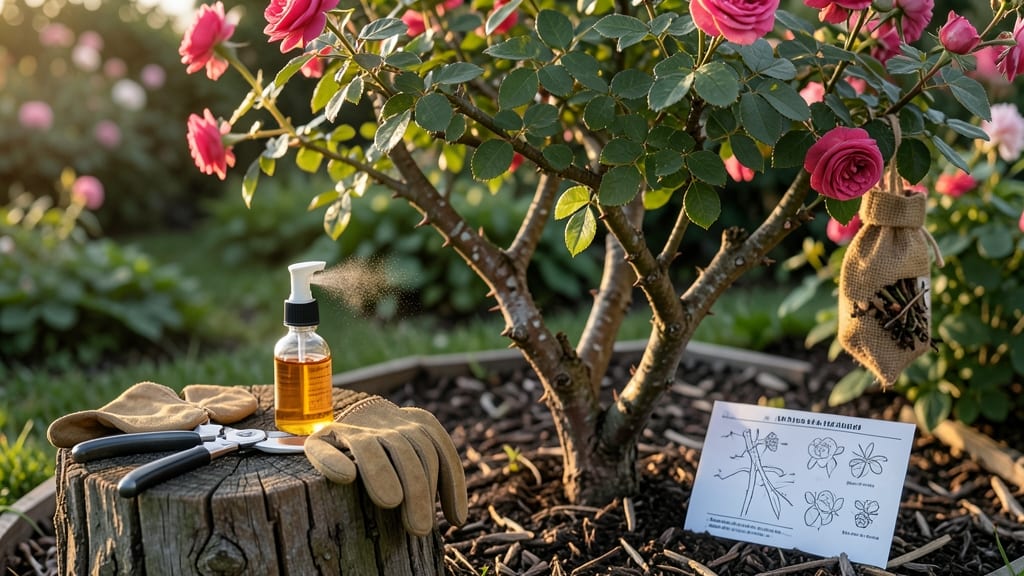
Rose bush pruning tips turn tangled messes into bloom machines—I’ve gone from struggling with leggy plants to roses covered in flowers from spring to frost. 🌹 The secret isn’t just cutting back; it’s understanding when and why to shape them at each season’s turning point.
You’ll need sharp bypass pruners, rubbing alcohol (to sterilize cuts), and a notebook to track growth. Start with late winter when the plant’s dormant, then repeat in early summer, late summer, and fall.
Each trim removes old wood, opens airflow, and encourages new growth—so you’re not just cleaning up, you’re setting the stage for the next flush of blooms.
After your first prune, you’ll notice fresh green shoots within 2-3 weeks, followed by buds that turn into vibrant blooms. The key is making clean cuts at 45-degree angles just above an outward-facing bud, never leaving stubs.
This method works for hybrid teas, floribundas, and even climbing roses—just adjust the timing slightly for each type.
Common mistakes like over-pruning or cutting into old wood can set you back, but the good news is roses are forgiving. With each seasonal trim, your bushes will grow stronger, healthier, and more productive. Let’s get those shears ready!
📚 In This Guide
- What you need
- Instructions
- Tips and common mistakes
- Wrapping up and next steps
What you need
- ● Bypass pruners: Sharp, high-quality pruners (2-3 pairs) for clean cuts on smaller stems (1/4" to 3/4" diameter). Look for ergonomic handles for comfort.
- ● Loppers: Heavy-duty loppers (1 pair) for thicker branches (3/4" to 2" diameter). Opt for bypass-style to avoid crushing stems.
- ● Pruning saw: A curved-bladed pruning saw (1) for stubborn, thick branches (2"+ diameter). Choose one with a fine-toothed blade for precision.
- ● Disinfectant: 70% isopropyl alcohol or a commercial pruning sealant (small bottle). Prevents disease spread between cuts.
- ● Garden gloves: Heavy-duty, cut-resistant gloves (1 pair). Protects hands from thorns and debris.
- ● Rake or broom: For clearing fallen leaves and debris post-pruning.
- ○ Bucket or tarp: To collect pruned branches and debris. Optional: Use a bag for composting.
- ● Hand pruners (for detail work): Smaller, lightweight pruners for shaping and fine-tuning.
- ● Pruning shears with anvil blades: Only for dead/diseased wood (avoid on healthy roses).
- ● Pruning paint/sealant: For large cuts (1"+ diameter) to prevent disease entry.
- ● Knee pads or stool: For comfort if pruning large bushes or many plants.
- ● Notebook & pen: To jot down notes on trimming patterns or seasonal reminders.
- ● Check the weather forecast—prune on a dry, cloudy day to reduce stress on the plant.
- ● Gather a clean workspace: Lay down a tarp or clear the area around the bush.
- ● Wear long sleeves and pants to protect against thorns and scratches.
- ● Sharpen your tools before pruning for clean cuts (a file or sharpening stone works).
Step-by-step guide to pruning roses for year-round blooms
Here's my foolproof seasonal approach—tested across climates—that keeps roses blooming like crazy.
✂️ Step 1: Late Winter Cleanup (Before Bud Break)
Start in late winter when roses are still dormant but buds are swelling. I always prune after the worst cold snaps pass—usually 4-6 weeks before your last frost date. This is where you remove dead, diseased, or crossing branches first. Use clean, sharp pruners to make 45-degree cuts just above an outward-facing bud.
Look for branches that are completely brown inside (check by scraping bark)—these won't regrow. I cut these back to healthy wood immediately. For crossing branches, remove the one growing inward to improve airflow. You'll see new growth emerge from the buds you leave behind within 2-3 weeks of bud break.
☀️ Step 2: Post-Bloom Thinning (Spring and Summer)
After each major bloom cycle, do a quick light pruning to encourage more flowers. Wait until half the blooms have faded—this tells you when the plant is finished with that flush. Cut back the spent bloom stem to the first 5-leaflet leaf below it. This redirecting energy to new growth.
I always prune on a dry morning to prevent disease spread. Remove any suckers growing from the base or graft union immediately—they sap energy from your rose. You'll notice new side shoots forming within 10-14 days, and these will produce your next round of blooms.
✂️ Step 3: Light Summer Maintenance (Every 6-8 Weeks)
Every 6-8 weeks during growing season, do a quick check for deadheading and shaping. Remove any yellow leaves or branches showing signs of disease. I use my fingers to pinch off spent blooms—this keeps roses tidy and flowering continuously.
Shape the bush by cutting back any branches that are growing too long or rubbing against others. Make cuts just above a bud that faces outward. Never remove more than 1/3 of the plant's total growth in one session. You'll see the bush fill out more densely within 4-6 weeks of regular maintenance.
🪴 Step 4: Fall Preparation (Before First Frost)
About 6 weeks before your first frost, do a final light pruning to remove any weak growth or branches that didn't bloom well. Cut back 1/3 of the oldest wood to encourage new growth next season. This is also when I remove all leaves showing signs of black spot or powdery mildew.
Apply a 2-3 inch layer of mulch around the base (but not touching the stem) to protect roots. I use shredded bark because it breaks down slowly. This final trim prevents winter dieback and gives your rose a strong start when spring comes.
Tips & tricks for perfect rose pruning
Here's what nobody tells you about keeping roses blooming all season long—these are the secrets that make the difference between a few sad blooms and a bush covered in flowers.
Timing is Everything: The 4-6 week window before your last frost isn't just a suggestion—it's when your rose's buds are starting to swell but haven't yet broken dormancy. If you prune too early, you risk damaging new growth. I always check for bud swelling by gently pressing the canes—if you see tiny green buds forming, it's time to prune. This precise timing gives your rose the best start for spring blooms.
The 45-Degree Cut Secret: When making those all-important cuts just above an outward-facing bud, think of it like this: the cut should look like a smile. This angle prevents water from pooling on the cut and helps direct new growth outward, creating a fuller bush. I use my thumb as a guide—when I make the cut, my thumb naturally creates that perfect 45-degree angle. This simple technique makes all the difference in how your rose shapes up.
Disease Prevention: That dry morning pruning isn't just about timing—it's about disease prevention. Wet leaves and tools spread fungal spores like black spot and powdery mildew. I always sterilize my pruners between cuts using rubbing alcohol, and I never prune when rain is forecast. This small habit keeps my roses healthy and flowering continuously. The difference between a bush that struggles and one that thrives often comes down to this single, seemingly insignificant step.
Mulch Matters: That 2-3 inch layer of mulch isn't just for decoration—it's winter protection. I use shredded bark because it breaks down slowly, providing insulation while improving soil structure. The key is to keep it 2-3 inches thick but stop right at the base of the plant (about 2 inches away from the stem). This prevents rot while protecting roots from freezing temperatures. In my zone 6 garden, this simple step has saved multiple roses from winter dieback.
Pro Tips for Rose Bush Pruning Tips
- Here's what nobody tells you about keeping roses blooming all season long—these are the secrets that make the difference between a few sad blooms and a bush covered in flowers.
- Timing is Everything: The 4-6 week window before your last frost isn't just a suggestion—it's when your rose's buds are starting to swell but haven't yet broken dormancy.
- The 45-Degree Cut Secret: When making those all-important cuts just above an outward-facing bud, think of it like this: the cut should look like a smile.
Frequently asked questions
Got questions about pruning your rose bushes like a pro? Here are some of the most common ones—and their answers—to keep your roses thriving year-round!
When is the best time to prune roses for maximum blooms?
The ideal times are early spring (just as new growth starts) and late winter (before buds swell). However, light pruning can happen in all four seasons—just avoid heavy cuts during dormancy (deep winter) or extreme heat (summer). For hybrid teas and floribundas, focus on spring and fall for best results.
How do I know if I’m pruning my rose bush too much?
Over-pruning shows up as weak stems, sparse blooms, or no new growth. A good rule: Never cut more than 1/3 of the plant’s height in one season. If you see only a few leaves left on a stem after pruning, you’ve gone too far! Aim to leave 3-5 strong buds per stem for regrowth.
Can I prune roses in the fall, or should I wait until spring?
Yes! Fall pruning (after the first frost) helps remove dead or diseased wood and encourages a stronger root system over winter. Just avoid heavy cuts—focus on shaping and cleanup. In colder climates, a light trim in fall prevents winter damage, while warmer zones can prune lightly until late autumn.
What should I do if my rose bush isn’t blooming after pruning?
Check these fixes:
- Pruning timing: Did you cut too late in spring? Wait until buds swell.
- Sunlight: Roses need 6+ hours of sun daily—move it if shaded.
- Fertilizer: Use a balanced rose fertilizer (like 10-10-10) after pruning.
- Dead wood: Remove all black or mushy stems—they drain energy.
Is it safe to prune roses in extreme heat or cold?
Prune when temps are mild (50–70°F). Avoid midday heat (stresses the plant) or freezing temps (can shock new cuts). If you must prune in winter, do it on a warm, sunny day to help wounds heal faster. In summer, opt for early morning or evening to prevent stress.
Wrapping up and next steps
Pruning your rose bushes doesn’t have to be intimidating—with the right tools, timing, and techniques, you can keep your garden thriving year-round! Remember, the key is consistency: trim in early spring, summer, fall, and late winter to encourage lush blooms and healthy growth.
Whether you’re shaping new growth or cleaning up winter damage, each season offers a chance to nurture your roses into stunning, long-lasting plants.
Now that you’re armed with these rose bush pruning tips, grab your shears and get ready to transform your garden! Start with one bush at a time, and soon, you’ll have a blooming masterpiece that turns heads—and maybe even wins a few neighborhood compliments. Happy pruning! 🌹✂️