
Pruning
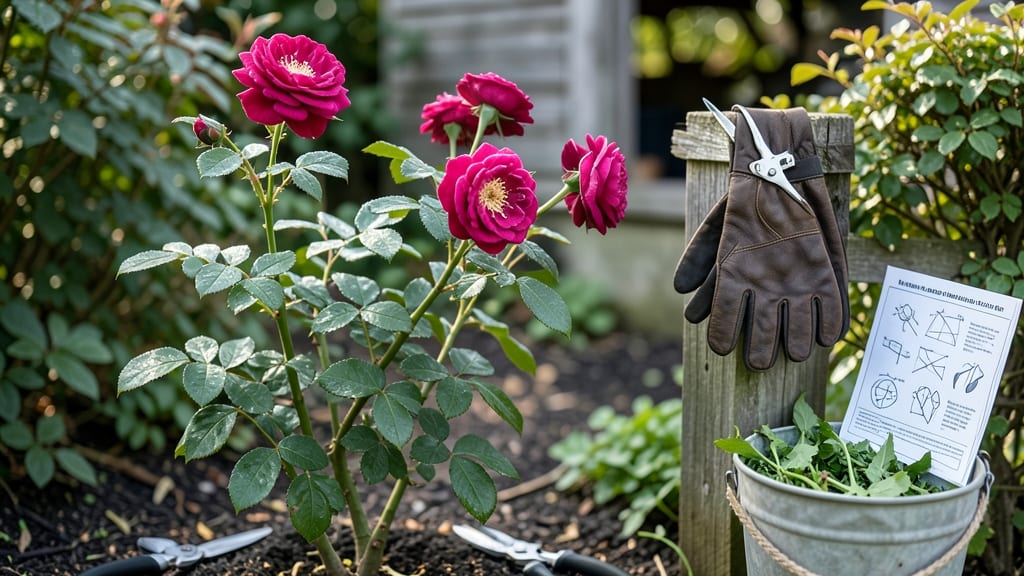
Trimming your rose bush at the right time is the secret to maximum blooms and a healthier plant 🌹 — and getting it wrong can mean fewer flowers or even damaged growth.
Struggling to time your rose bush pruning perfectly? Get it wrong, and you’ll sacrifice blooms—or worse, risk damaging your plant entirely. The best time to trim roses depends entirely on your climate zone, and missing the window can mean fewer flowers all season.
In Zone 6a, where spring arrives in April and frost lingers until mid-October, the ideal window is late winter or early spring—just as new buds begin to swell.
But if you live in a warmer zone, summer shaping and fall cleanup also play a role in keeping your roses thriving.
Below, I’ll break down the exact months for each zone, the tools you’ll need, and the critical mistakes to avoid—so you can prune with confidence and enjoy a garden bursting with color all season.
Best rose pruning times by USDA climate zone (with exact months)
Timing your rose bush pruning correctly can mean the difference between a bountiful bloom season and a sparse one. Since roses grow differently across USDA climate zones 3-10, I’ve mapped out the exact months for each pruning task—from late-winter cleanup to summer shaping.
Missing these windows can stress your plant or even invite disease, so let’s dive into the zone-specific schedule that’ll keep your roses thriving.
Your climate zone dictates when to prune because it affects frost dates, dormancy periods, and growth cycles. For example, Zone 3 roses need earlier pruning to avoid late frosts, while Zone 10 roses can be pruned almost year-round.
Below, I’ve broken down the three key pruning times: late winter/early spring, summer shaping, and fall cleanup, with month-by-month guidance for each zone.
Pro Tip: Always prune on a dry, cloudy day to reduce stress on the plant. Use sterilized shears to prevent spreading disease, and never cut more than one-third of the plant’s growth at once.
| USDA Zone | Late Winter/Early Spring Prune | Summer Shaping Prune | Fall Cleanup Prune |
|---|---|---|---|
| Zones 3-4 | Late March - Early April (after last frost) | June - Early July (after first flush of blooms) | October (before first frost) |
| Zones 5-6 | Mid-April - Early May | June - Mid-July | Late October - Early November |
| Zones 7-8 | February - March (or January in Zone 8) | May - June (or July in Zone 8) | November (after first frost) |
| Zones 9-10 | December - January (light pruning) | April - May (or year-round for mild climates) | December (minimal pruning) |
For Zones 3-4, where winters are harsh, prune late March to early April—just as bud swell begins but before new growth emerges. This timing ensures you’re not cutting dormant canes too early, which can leave roses vulnerable to frost damage.
In Zones 5-6, shift your pruning to mid-April to early May to align with last frost dates in most regions.
Summer shaping in Zones 3-6 should happen after the first flush of blooms, typically in June or early July. This deadheading step removes spent blooms and encourages new flower production.
In warmer Zones 7-10, you can prune as late as July or even year-round in Zone 10, thanks to milder winters.
Fall cleanup is often overlooked but critical for winter prep. In Zones 3-6, prune in October or early November to remove dead or diseased wood before the ground freezes.
For Zones 7-8, wait until after the first frost, usually in November. In Zones 9-10, minimal pruning in December suffices, as roses stay semi-dormant.
One common mistake is pruning too late in fall, which can stimulate new growth that won’t harden off before winter. Always aim to finish by 6 weeks before the first frost in your zone.
For repeat-blooming roses, like hybrid teas, summer pruning is key to encouraging a second flush of blooms.
If you live in Zone 10, you’re lucky—your roses can bloom almost year-round! However, even here, light pruning in December helps maintain shape and removes any winter-damaged canes. For all zones, sterilize your tools between cuts to prevent black spot or powdery mildew, two rose-killing diseases.
Remember, pruning isn’t just about cutting—it’s about shaping the plant’s future. By following this zone-specific schedule, you’ll ensure your roses enter each season strong, healthy, and ready to bloom.
5 Critical rose trimming mistakes that kill blooms (and how to avoid them)
Even experienced gardeners make rose pruning mistakes that can stunt blooms or weaken plants. The wrong cuts at the wrong time with the wrong tools can turn your lush rose bush into a sad, leggy shadow.
I’ve seen roses go from vibrant to struggling just because of a few simple errors—don’t let this happen to yours!
One of the biggest mistakes is pruning at the wrong season. Cutting too late in fall leaves stems vulnerable to winter frost, while pruning too early in spring can damage dormant buds that haven’t even sprouted yet.
Timing is everything, and even a 2-week difference can mean the difference between a bush full of blooms and one that barely flowers.
Another common error is removing too many stems at once. Roses thrive on a balance of old and new growth—if you shear off more than 1/3 of the plant, you’re essentially asking it to start over from scratch.
This shock can delay blooming by weeks or even months, leaving you with a bush that looks more like a twiggy mess than a flowering beauty.
🔴
Pruning after the first frost in fall or before bud swell in spring can destroy next year’s blooms. These are the deadliest times—avoid them at all costs!
Using dull or dirty tools is another silent bloom-killer. A jagged cut from a rusty pruner tears plant tissue, inviting disease and pests that can rot stems or wilt leaves.
Always disinfect your shears with rubbing alcohol between cuts, and sharpen blades before you start—it takes just 2 minutes but saves your roses from months of struggle.
Pruning without a plan leads to uneven growth and weak stems. Every cut should have a purpose: removing dead wood, shaping the bush, or encouraging airflow. If you’re just hacking away randomly, you’ll end up with a lopsided mess that blooms poorly.
Instead, follow the 5-bud rule—leave 3-5 buds above each cut to guide new growth in the right direction.
Finally, ignoring climate zone differences can backfire. A rose pruned in Zone 5 (like mine in upstate New York) needs heavier winter cuts than one in Zone 9 (like my friend’s in California).
Always check your last frost date—pruning 2-3 weeks before ensures your rose has time to heal before winter sets in.
Fix these mistakes now, and you’ll see healthier stems, more blooms, and stronger roses next season. Start with a sharp pair of shears, a clear plan, and the right timing—and watch your roses thrive! 🌹