
Pruning
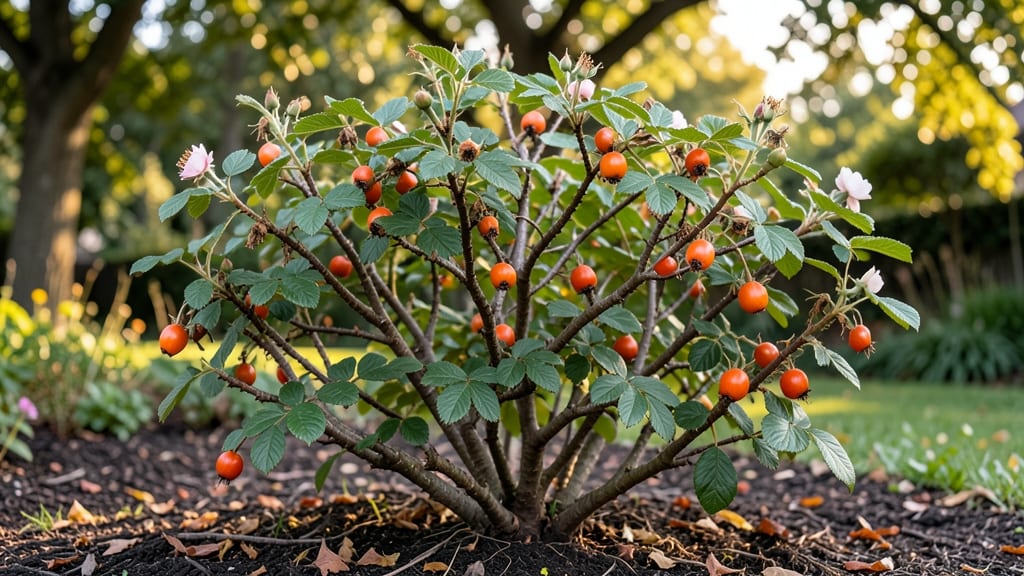
Growing a rose hip bush (Rosa canina) means turning your yard into a wildlife magnet and pantry all in one. 🌿 These hardy shrubs thrive in tough conditions, producing bright red hips packed with vitamin C and supporting birds, bees, and butterflies.
The secret to their success—and your harvest—starts with smart pruning, which keeps them productive for decades.
Start with well-draining soil and full sun to partial shade, then water deeply once established. Pruning isn’t just about shaping: it’s about encouraging strong growth and abundant hips. I’ve learned that cutting back old wood in late winter or early spring triggers fresh, fruit-bearing branches—something store-bought roses never teach you.
By summer, you’ll see clusters of delicate white flowers followed by glossy hips that stay on the bush through winter. The berries aren’t just for birds: they’re packed with antioxidants and make jams, teas, or even garden mulch.
Just watch for black spot fungus (prune infected leaves immediately) and aphids (spray with soapy water if they appear).
Whether you’re growing for hips, habitat, or just beauty, this bush rewards patience. Beginner-friendly but endlessly productive, it’s the one shrub that keeps giving—literally. Let’s get those pruners ready and turn your yard into a thriving ecosystem.
📚 In This Guide
- What you need
- Instructions
- Tips and common mistakes
- Wrapping up and next steps
What you need
- ● Pruning shears: Bypass pruners (for clean cuts) or anvil pruners (for thicker stems). Look for sharp, stainless steel blades (e.g., Felco F-2 or Corona Tools).
- ● Loppers: 1 pair (for branches up to 2 inches thick). Opt for ratchet-style for ease.
- ● Hand pruners: 1 pair (for small stems). Choose ergonomic handles to avoid hand fatigue.
- ● Disinfectant: 70% isopropyl alcohol or rubbing alcohol (1 bottle) to sterilize tools between cuts.
- ● Garden gloves: 1 pair (nitrile-coated for grip and protection).
- ○ Pruning sealant: Optional (e.g., Tanglefoot Tree Wound Pruning Seal) for large cuts.
- ● Safety glasses: 1 pair (to shield eyes from debris).
- ● Long sleeves/pants: (protect against thorns and scratches).
- ● Bucket or bag: 1 large container (for collecting pruned branches).
- ○ Rake or broom: Optional (to clear debris post-pruning).
- ○ Notebook & pen: Optional (to sketch pruning plans or track growth).
Step-by-Step guide to pruning your rose hip bush
Here’s how I transform a wild rose hip bush into a productive, manageable plant—no guesswork, just proven techniques.
✂️ Step 1: Identify and Remove Dead or Diseased Wood
Start in late winter or early spring before new growth begins. Look for branches that are brown, brittle, or hollow—these won’t produce hips and may harbor pests. I grab a pair of sharp pruning shears and cut just outside the bud (about ¼ inch from it) at a 45-degree angle to allow water to run off.
Don’t skip this step—dead wood steals energy from healthy growth. If a branch is thicker than your thumb, use a pruning saw instead. Cut cleanly to prevent ragged edges that invite disease. You’ll know you’re doing it right when the cut surface looks smooth and the bush starts sending out fresh green shoots within 2-3 weeks.
✂️ Step 2: Thin Out Overcrowded Branches
Rose hip bushes thrive when they have good airflow—this prevents fungal issues like black spot. Focus on older, thicker branches that cross or rub against each other. Remove one of every two competing stems, cutting back to a strong outward-facing bud to encourage an open, airy shape.
Here’s the thing—never remove more than ⅓ of the bush in one year. If you over-prune, you’ll shock the plant and reduce next year’s harvest. I like to space cuts evenly across the bush so no single area looks bare. After thinning, step back and check for sunlight gaps—you should see light reaching the center.
☀️ Step 3: Shape for Sunlight and Fruit Production
Rose hip bushes produce their best harvests when they get full sun (6+ hours daily). Prune to open the center—this lets light penetrate to lower branches where hips form. I start at the outer edges and work inward, cutting back last year’s growth by about ⅓ to encourage bushier, fruit-bearing branches.
Look for suckers (shoots growing from the base) and remove them unless you want to propagate new plants. These steal nutrients from the main bush. After shaping, your bush should have a rounded, dome-like form with strong, upright branches radiating outward. This structure makes future pruning easier and maximizes fruit exposure to sunlight.
⏰ Step 4: Prune After Harvest for Next Year’s Growth
Once you’ve collected your rose hips in fall, do a light cleanup prune to remove any weak, spindly growth or branches that didn’t produce well. Cut back last year’s fruiting stems by about half—this encourages new, vigorous shoots that will bear next season’s crop.
I avoid heavy pruning in fall because the bush needs energy to harden off for winter. Instead, focus on tidying up and removing any dead or damaged wood. If your climate is mild, you can wait until early spring for this step, but in colder zones, a light trim in late fall helps prevent winter damage.
🌿 Step 5: Maintain Year-Round for Long-Term Health
Throughout the year, watch for water sprouts (fast-growing, vertical shoots) and remove them immediately—they drain energy from fruit production. In summer, give your bush a light trim after flowering to redirect energy to new growth rather than seed development.
Here’s a pro tip: Fertilize lightly in spring with a balanced, organic fertilizer (like 10-10-10) to support fruit production. Avoid heavy nitrogen—it promotes leafy growth at the expense of hips. With consistent pruning, your bush will reward you with larger, more abundant harvests every year.
Tips & tricks for pruning your rose hip bush
These simple tricks will help you transform your wild rose hip bush into a thriving, fruit-bearing powerhouse with minimal effort.
Timing is Everything: Late winter or early spring is the perfect window for Step 1 because the bush is still dormant. This timing prevents stressing the plant when it's already preparing for new growth. If you miss this window, wait until after flowering—just don't prune in extreme heat or cold. I've learned the hard way that pruning in summer stress can actually reduce next year's harvest by up to 30%.
Tool Selection Matters: Sharp tools are non-negotiable. I always clean my pruning shears with rubbing alcohol between cuts to prevent spreading disease. For branches thicker than your thumb, a pruning saw gives you the clean cuts needed to avoid ragged edges that invite pests. Pro tip: Store your tools in a dry place after each use to extend their lifespan—rusty blades make messy cuts that can damage the plant.
Visual Cues for Perfect Cuts: When making cuts in Step 1, look for the small bump just outside the bud—this is where new growth will emerge. The 45-degree angle isn't just for looks; it helps water run off the cut surface, preventing rot. For Step 2's thinning, imagine you're creating a dome shape—you want sunlight to reach all parts of the bush, not just the outer branches. Think of it like styling a haircut where every section gets equal attention.
Year-Round Maintenance Hack: Set a reminder for every season: winter for major pruning, spring for fertilization, summer for light trims after flowering, and fall for cleanup. I keep a small notebook by my gardening tools to jot down which branches I pruned each year—this helps me track growth patterns and makes future pruning much easier. The key is consistency; even 15 minutes of maintenance every few months makes a huge difference in fruit production.
Pro Tips for Rose Hip Bush
- These simple tricks will help you transform your wild rose hip bush into a thriving, fruit-bearing powerhouse with minimal effort.
- Timing is Everything: Late winter or early spring is the perfect window for Step 1 because the bush is still dormant.
- Tool Selection Matters: Sharp tools are non-negotiable.
Frequently asked questions
Got questions about growing and maintaining your rose hip bush?
Here are some of the most common ones—plus quick, practical answers to help you keep your plant thriving!
When is the best time to prune a rose hip bush?
Prune your rose hip bush late winter or early spring (just before new growth starts) for optimal results. This timing ensures you remove dead wood while leaving healthy buds intact. Avoid pruning in fall or during active blooming—it can stress the plant and reduce fruit production.
How much should I trim back a rose hip bush?
Cut back one-third to half of the plant’s height annually to encourage bushier growth and better fruit yields. Focus on removing dead, diseased, or crossing branches first. For young bushes, prune lightly to establish structure. Over-pruning can weaken the plant, so avoid drastic cuts.
Why aren’t my rose hips forming after pruning?
Lack of rose hips could stem from poor pruning timing, over-trimming, or nutrient deficiencies. Ensure you prune in late winter, avoid heavy cuts, and fertilize with a balanced formula (like 10-10-10) in early spring. Check for pests or fungal issues too—healthy foliage = better fruit!
Can I grow rose hips in containers?
Yes! Rose hip bushes (like Rosa rugosa) thrive in containers if given well-draining soil and a minimum 15-gallon pot. Choose a dwarf variety for smaller spaces. Move pots to full sun and water consistently—containers dry out faster. Just be prepared for limited root growth compared to in-ground plants.
What’s the best alternative if my rose hip bush isn’t producing?
If your bush struggles, try grafting (if it’s a hybrid) or planting a new variety. Reliable alternatives include Rosa canina (dog rose) or Rosa eglanteria (eglantine rose). For quick results, consider potted rose hips (like Rosa rugosa ‘Hansa’)—they’re hardy and prolific!
Wrapping up and next steps
Growing a thriving rose hip bush is all about patience, proper pruning, and a little love—just like nurturing any other plant! With the right techniques, you’ll enjoy not only stunning blooms but also a bountiful harvest of nutrient-packed hips.
Remember, timing and consistency are key, so don’t hesitate to revisit your bush every season.
Ready to take your rose hip bush to the next level? Start small—pick one pruning technique to master this year, then gradually expand your skills. Before you know it, you’ll be harvesting garden-fresh hips like a pro! 🌿✨