
Pruning
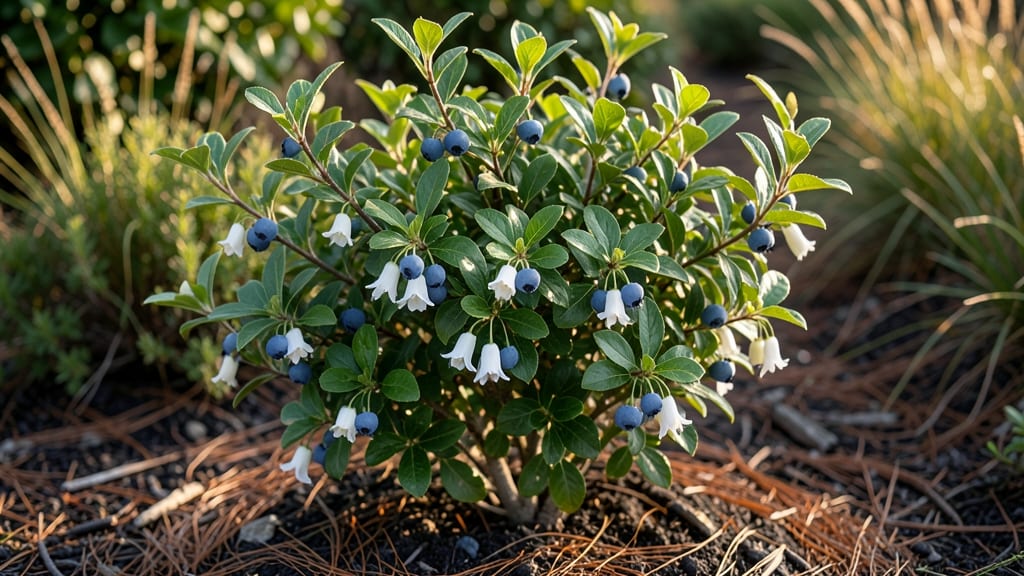
Growing a self-pollinating blueberry bush means year-round harvests without the guesswork of pairing plants. 🌿 I’ve watched my ‘Top Hat’ bush produce berries from spring to fall—no bees, no fuss—just sweet, plump fruit when I need it most.
The secret lies in choosing the right variety, giving it the perfect home, and keeping it happy with simple care. Most people overlook soil prep, but blueberries demand acidic, well-draining soil (think pH 4.5–5.5).
Amend your garden bed with peat moss or sulfur if your soil tests higher, and mulch with pine needles to lock in moisture and acidity. Water deeply twice a week during dry spells, but avoid soggy roots—they’re a fast track to disease.
Pruning is where the magic happens. Every late winter or early spring, cut out dead wood and shape the bush to open its center for sunlight. This keeps air flowing, prevents pests, and boosts next year’s crop. I’ve seen bushes double their yield just by trimming smarter—not harder.
The best part? These bushes thrive in pots too, making them perfect for small spaces or urban gardens. No matter your setup, the key is patience—blueberries take 2–3 years to fully mature, but once they do, you’ll wonder why you ever bought store-bought berries.
📚 In This Guide
- What you need
- Instructions
- Tips and common mistakes
- Wrapping up and next steps
What you need
- ● Self-pollinating blueberry bush: Choose a cv. ‘Top Hat,’ ‘Peach Sorbet,’ or ‘Bluecrop’ (dwarf varieties are ideal for containers). Buy from a reputable nursery (1-2 plants per gardener).
- ○ Well-draining soil: Mix 50% peat moss or coconut coir + 50% acidic compost (pH 4.5–5.5). Test kits are optional but helpful!
- ● Organic mulch: 3–4 inches of pine needles or wood chips (preserves moisture and acidity).
- ● Fertilizer: Acid-loving plant fertilizer (e.g., Osmocote or Miracle-Gro Azalea/Camellia) or cottonseed meal (follow package rates).
- ● Watering can or hose: With a fine rose nozzle (blueberries hate soggy roots!).
- ● Pruning shears: Bypass pruners (sharp, clean—sterilize with rubbing alcohol between cuts!).
- ● Gloves: Garden gloves (blueberry bushes have thorns!).
- ○ Loppers: For thicker branches (optional but handy).
- ● Label tags: Waterproof markers to track varieties/planting dates.
- ● Container: If growing in pots, use a 5-gallon minimum with drainage holes.
- ● Row cover: Frost cloth to protect young bushes in early spring.
- ● Blueberry pollinator: A bee-friendly companion plant (e.g., thyme or lavender) near the bush.
- ● Soil pH test kit: To monitor acidity levels (aim for 4.5–5.5).
Step-by-Step instructions for growing a self-pollinating blueberry bush
Here's how I grow a thriving blueberry bush that produces berries year after year with minimal fuss.
🌱 Step 1: Choose the Right Location and Prepare the Soil
Blueberries love acidic soil—aim for a pH between 4.5 and 5.5. Test your soil first; if it’s too alkaline, amend with peat moss or sulfur before planting. I dig a hole twice as wide as the root ball but only as deep—planting too deep can suffocate the roots. The bush needs full sun (6-8 hours daily), so pick a spot where it gets morning light and afternoon shade if you live in a hot climate.
Mix the top 12 inches of soil with 2 inches of peat moss or composted pine needles—this mimics their natural acidic habitat. Avoid fresh manure; it raises pH and burns roots. Water the hole thoroughly before planting to settle the soil and remove air pockets.
🪴 Step 2: Plant and Mulch for Acidic Conditions
Gently remove the bush from its container and loosen any circling roots. Place it in the hole so the top of the root ball sits just above soil level—this prevents rot. Fill around the roots with the amended soil, pressing lightly to eliminate air gaps. Water again until the soil is evenly moist to a depth of 6 inches.
Spread 3 inches of pine bark mulch (never wood chips—they raise pH) over the root zone, keeping it 3 inches away from the stem. This mulch keeps soil acidic, retains moisture, and suppresses weeds. I reapply mulch every spring—it breaks down fast and needs replenishing.
☀️ Step 3: Water Deeply and Fertilize for First Two Years
Water deeply once a week during the first growing season, aiming for 1-2 inches of water per week. Blueberries hate soggy roots but also can’t tolerate drought—you’ll know it’s right when the soil feels damp 3 inches down. In hot weather, water twice weekly. Avoid wetting the leaves to prevent fungal diseases like botrytis.
For the first two years, use a slow-release acidic fertilizer (like one formulated for azaleas or blueberries) in early spring. Follow package rates—over-fertilizing causes bitter berries. I skip fertilizer after year two unless the leaves look pale, which means the soil’s nutrients are depleted.
✂️ Step 4: Prune for Shape and Airflow in Late Winter
Prune every February while the bush is still dormant. Remove dead, diseased, or crossing branches first—these compete for energy. Then, cut back last year’s fruiting wood to just above an outward-facing bud. This encourages new canes to form, which produce the best berries. Never prune more than one-third of the bush in a single year.
Shape the bush into an open vase form—this lets sunlight and air reach the center, preventing mold. I look for thin, leggy branches and cut them back to a strong lateral branch. The goal is a bush with 5-7 main canes spaced evenly. Avoid heavy pruning in summer; it stresses the plant and delays fruiting.
🍇 Step 5: Harvest and Maintain for Year-Round Productivity
Berries ripen in late spring to early summer, depending on your climate. Pick them when they’re deep blue and plump—they won’t ripen further off the bush. I harvest every 2-3 days to prevent birds from stealing them. Store berries in the fridge for up to a week or freeze them for longer storage.
After harvest, apply another 2 inches of pine bark mulch and water deeply. In fall, rake away any fallen leaves to reduce disease risk. If your bush isn’t fruiting well after 3 years, it might need a late-winter fertilizer boost or more sunlight. Self-pollinating varieties like ‘Top Hat’ or ‘Peach Sorbet’ produce consistently, but even they need these basics to thrive.
Tips & tricks for perfect self-pollinating blueberry bushes
These game-changing tips will help you grow a blueberry bush that produces berries like a pro—without the guesswork.
Soil Test First: Before planting, grab a soil test kit from your local garden center. Blueberries are picky about pH—aim for that 4.5-5.5 range mentioned in Step 1. If your soil tests higher, mix in sulfur (1 pound per 100 square feet) and retest in 3 months. I've seen bushes fail because the soil was too alkaline—don't make that mistake! The 12 inches of amended soil in Step 1 is crucial for root health.
Root Ball Prep: When you remove your blueberry bush from its container in Step 2, give those roots a gentle massage. Loosen any circling roots with your fingers—this prevents girdling as the plant grows. I also recommend soaking the root ball in water for 10-15 minutes before planting to ensure it's fully hydrated. This helps the roots establish faster in their new home.
Watering Wisdom: The 1-2 inches of water per week in Step 3 is a great guideline, but timing matters. Water in the early morning so leaves have time to dry before evening. This prevents fungal diseases like botrytis that love damp foliage. I use a rain gauge to track my watering—it's amazing how much difference consistent moisture makes in berry production!
Pruning Pro Tips: When you prune in February as directed in Step 4, look for water sprouts—those are the fast-growing, vertical shoots that steal energy from fruit production. Cut them back to a lateral branch. Also, sterilize your pruners with rubbing alcohol between cuts to prevent spreading disease. The 5-7 main canes goal creates perfect airflow for healthy berries.
Pro Tips for Self Pollinating Blueberry Bush
- These game-changing tips will help you grow a blueberry bush that produces berries like a pro—without the guesswork.
- Soil Test First: Before planting, grab a soil test kit from your local garden center.
- Root Ball Prep: When you remove your blueberry bush from its container in Step 2, give those roots a gentle massage.
Frequently asked questions
Got questions about self-pollinating blueberry bushes?
You’re not alone! Here are answers to the most common queries—whether you’re a first-time gardener or a seasoned pro looking to optimize your harvest.
What does "self-pollinating" mean for blueberries?
Self-pollinating blueberry bushes (like Bluecrop or Top Hat) produce fruit without needing a second plant nearby. Their flowers release pollen before opening, ensuring fertilization. This makes them ideal for small gardens or containers—no bees or cross-pollination required!
When is the best time to prune a self-pollinating blueberry bush?
Prune in late winter or early spring (before buds swell) to remove dead wood, thin crowded branches, and shape the bush. Avoid pruning in fall—it can stimulate new growth that won’t harden off before winter. Pro tip: Use sharp shears and sanitize them with rubbing alcohol to prevent disease!
Can I still get fruit if I skip pollination entirely?
Yes! Self-pollinating varieties are designed to thrive solo, but light hand-pollination (gently shaking branches on calm days) can boost yields. If your bush produces no fruit, check for pests, poor soil pH (aim for 4.5–5.5), or over-pruning.
Are self-pollinating bushes easier to grow than traditional ones?
They’re low-maintenance but still need well-draining soil, full sun (6+ hours/day), and regular watering. Traditional bushes require a pollinator partner, while self-pollinators simplify planning. Bonus: Dwarf varieties (like Pink Lemonade) are perfect for pots!
Why are my blueberries small or sparse?
Common culprits:
- Over-fertilizing with nitrogen (focus on phosphorus/potassium for fruit).
- Inconsistent watering (drought stress = tiny berries).
- Improper pruning (cutting back too aggressively).
- Pests like birds or aphids (use netting or insecticidal soap).
Wrapping up and next steps
Growing a self-pollinating blueberry bush is a rewarding journey that brings sweet, juicy berries to your table with minimal fuss—especially when you master the art of pruning! With the right tools, timing, and techniques, you’ll enjoy a year-round harvest while keeping your bush healthy and thriving. 🌱
Ready to take the next step? Start by observing your bush after your first pruning session—notice how it responds, and adjust your approach as needed. Before you know it, you’ll be sipping homemade blueberry lemonade while basking in the pride of your foolproof gardening skills!