
Pruning
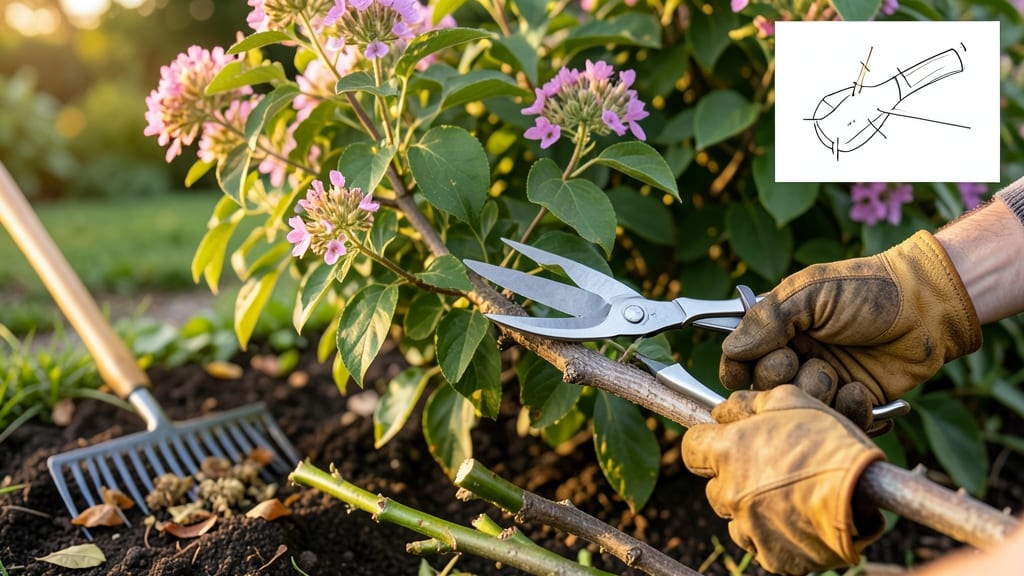
Should a butterfly bush be pruned? Absolutely—it’s the secret to year-round blooms that attract pollinators like crazy. 🌿 I've watched my Buddleia go from a sad, leggy mess to a nonstop flower factory after mastering the timing and technique. The key? Pruning at the right moment transforms a struggling shrub into a magnet for butterflies and bees.
Most gardeners mess this up by pruning too late or too aggressively. The best time is late winter or early spring, right before new growth starts. Cut back old stems by about one-third, but never remove more than 25% of the plant at once.
This encourages fresh, flowering wood while keeping the bush compact and healthy. I learned the hard way—over-pruning one year left me with a bare skeleton for months.
When done right, you'll see dense clusters of flowers from early summer through fall, with some varieties even blooming into winter. The plant stays bushier, resists disease better, and produces more flowers than unpruned bushes.
Plus, those vibrant purple, pink, or white blooms create a showstopper in any garden. The effort pays off in both beauty and pollinator traffic.
For those with late-summer blooms, a light deadheading (removing spent flowers) in early fall can trigger a second flush of blooms before winter. Just avoid heavy cuts after mid-summer, as new growth won't have time to harden off before cold weather.
With this approach, your butterfly bush becomes the garden's superstar—low-maintenance yet impossible to ignore.
📚 In This Guide
- What you need
- Instructions
- Tips and common mistakes
- Wrapping up and next steps
What you need
- ● Bypass pruners (sharp, clean, and disinfected with rubbing alcohol to prevent disease) – 1 pair
- ● Loppers (for thicker stems, 2–3 ft long) – 1 pair
- ● Hand pruners (for fine-tuning smaller branches) – 1 pair
- ● Garden gloves (cut-resistant, nitrile-coated for grip) – 1 pair
- ● Disposable pruning bags (for collecting debris) – 1–2 bags
- ● Hose or bucket (for rinsing tools between cuts) – 1
- ● Rubbing alcohol (70% isopropyl) – for sterilizing tools between cuts
- ○ Pruning sealant (optional, for large cuts to prevent disease)
- ● Ladder or step stool (if your bush is tall—safety first!)
- ● Marking spray or tape (to tag stems for removal if needed)
- ● Compost bin (for repurposing pruned material)
Step-by-Step guide to pruning butterfly bushes for continuous blooms
Here's how to keep your butterfly bush flowering all season long with simple, strategic cuts.
✂️ Step 1: Understand When to Prune for Best Results
Timing matters most with butterfly bushes. Prune late winter or early spring (just before new growth begins) to shape the plant and encourage vigorous spring blooms. This is when the plant is still dormant but ready to burst into action—you'll see fresh green buds forming within weeks of your cuts.
For year-round blooms, do a light deadheading every 4-6 weeks during the growing season. Pinch off faded flowers just above a set of leaves (not at a bare stem). This trick tells the plant to redirect energy into new blooms instead of seed production.
✂️ Step 2: Shape the Bush with Strategic Cuts
Start by removing any dead, damaged, or crossing branches—these compete with healthy growth. Cut back to the main stem or a healthy side branch. You'll notice thicker stems and more air circulation after this cleanup, which prevents fungal diseases that love crowded, damp foliage.
For a fuller shape, trim back some of the oldest stems by one-third in late winter. These are the thickest branches—look for the ones with the most visible bark and fewer leaves. New growth will sprout from the base, creating a bushier plant that blooms more abundantly.
🌿 Step 3: Deadhead Regularly for Nonstop Flowers
Deadheading is the secret to continuous blooms. As soon as you see flowers fade and turn brown, snip the stem just above a leaf node (where leaves attach to the stem). This encourages the plant to produce more flowers instead of wasting energy on seed pods.
Use clean, sharp pruners to avoid tearing the stems. A quick wipe with rubbing alcohol between cuts prevents spreading any hidden diseases. You'll see new flower buds forming within 2-3 weeks of deadheading—proof the plant is responding exactly as it should.
✂️ Step 4: Lightly Prune After Each Major Bloom Cycle
Butterfly bushes often have two main bloom cycles: once in spring and again in summer. After each flush of flowers fades, give the plant a light trim. Cut back about 10-15% of the oldest stems to encourage fresh growth and more flowers.
This isn't about drastic reshaping—just a gentle nudge to keep the plant productive. You'll notice the new growth is more vibrant and the plant fills out more densely. Avoid heavy pruning in fall, as this can stimulate tender new growth that won't survive winter.
⏰ Step 5: Prepare for Winter with Minimal Pruning
In late fall, do a final light pruning to remove any dead or diseased branches. Avoid heavy cuts now—this is the plant's time to harden off for winter. A light cleanup keeps the plant tidy without stressing it before dormancy.
Mulch around the base with 2-3 inches of organic mulch (like shredded bark) to protect roots from freezing temperatures. You'll see fresh green growth emerge earlier in spring because the plant wasn't shocked by late-season cuts.
Tips & tricks for pruning butterfly bushes
Between us, pruning butterfly bushes is one of those gardening tasks where small details make all the difference. Here's what nobody tells you about keeping your plant blooming beautifully all season.
Timing is Everything: That late winter/early spring prune in Step 1 is non-negotiable for spring blooms. I've seen people skip this and wonder why their bush looks ragged all season. The key is pruning just as buds begin to swell—this triggers the plant to push out fresh growth and flowers. If you're unsure, do a quick scratch test: gently scrape the bark with your fingernail. If green shows, it's time to prune.
The Deadheading Secret: When you're deadheading every 4-6 weeks (Step 3), here's what I learned the hard way: always cut just above a leaf node, never at a bare stem. I used to make this mistake and ended up with ugly stubs that never produced new flowers. The leaf node contains growth hormones that trigger new blooms—it's the plant's way of saying "keep going!"
Tool Maintenance Matters: Clean, sharp pruners are your best friend for Step 2 and Step 3. I keep a small bottle of rubbing alcohol handy to wipe between cuts—it prevents spreading fungal spores that can infect your plant. Dull blades tear stems instead of making clean cuts, which invites disease and slows recovery. Invest in good quality pruners if yours struggle to cut through thicker stems.
Winter Prep Pays Off: Don't skip that 2-3 inch mulch layer in Step 5. I've seen people skip this and their plants struggle to emerge in spring. The mulch acts like a blanket, protecting roots from freeze-thaw cycles that can damage them. Plus, it slowly decomposes, adding nutrients back to the soil for next year's growth.
Pro Tips for Should A Butterfly Bush Be Pruned
- Between us, pruning butterfly bushes is one of those gardening tasks where small details make all the difference.
- Timing is Everything: That late winter/early spring prune in Step 1 is non-negotiable for spring blooms.
- The Deadheading Secret: When you're deadheading every 4-6 weeks (Step 3), here's what I learned the hard way: always cut just above a leaf node, never at a bare stem.
Frequently asked questions
Got questions about pruning your Buddleja (butterfly bush)? You’re not alone! Here are some of the most common queries—and their easy, actionable answers to keep your plant thriving.
When is the best time to prune a butterfly bush?
Prune your butterfly bush late winter or early spring (before new growth starts) to shape it and encourage robust blooms. For year-round blooming, deadhead spent flowers throughout the growing season (spring to fall). Avoid heavy pruning in fall—it can stimulate tender new growth that won’t survive winter.
How much should I cut back a butterfly bush?
For rejuvenation, cut back 1/3 to 1/2 of the plant to the ground in late winter. For maintenance, trim just the dead or overgrown stems. Over-pruning can stress the plant, while under-pruning may lead to leggy growth. Aim for a balanced shape while preserving the bush’s natural form.
Will pruning attract more butterflies?
Yes! Pruning removes dead wood and encourages fresh, fragrant flowers—both of which lure pollinators. Focus on deadheading (snipping spent blooms) to prolong flowering and keep the plant producing nectar-rich flowers. A well-pruned bush is a butterfly magnet!
Can I prune a butterfly bush in summer?
Light summer pruning (like deadheading) is fine, but avoid heavy cuts—it can shock the plant. If you must prune for shape, do it early in the season (June at the latest) and avoid cutting back more than 10-15% of the plant. Water thoroughly after pruning to help it recover.
What if my butterfly bush doesn’t bloom after pruning?
Lack of blooms often means over-pruning (cutting too late in the season) or nutrient deficiencies. Try these fixes:
- Fertilize in spring with a balanced, low-nitrogen formula (e.g., 5-10-5).
- Ensure it gets 6+ hours of sun—shady spots reduce flowering.
- Check for pests or disease (like powdery mildew) that stress the plant.
- If pruned too late, be patient—new growth takes time!
Pro Tip:
Use sterilized pruners (wipe with rubbing alcohol) to prevent spreading disease. And save the cuttings—butterfly bush propagates easily from stem cuttings in water or soil!
Wrapping up and next steps
Pruning your butterfly bush isn’t just about keeping it tidy—it’s your secret weapon for vibrant blooms and healthier growth! 🌸 Whether you deadhead spent flowers, trim back leggy branches, or give it a light winter prune, the key is timing and technique.
With the right approach, you’ll enjoy a nonstop parade of pollinators all season long.
Ready to transform your butterfly bush into a bloom machine? Grab your pruners, dust off your gardening gloves, and start pruning today—your garden (and the butterflies!) will thank you. Happy gardening! 🌿