
Shrubs
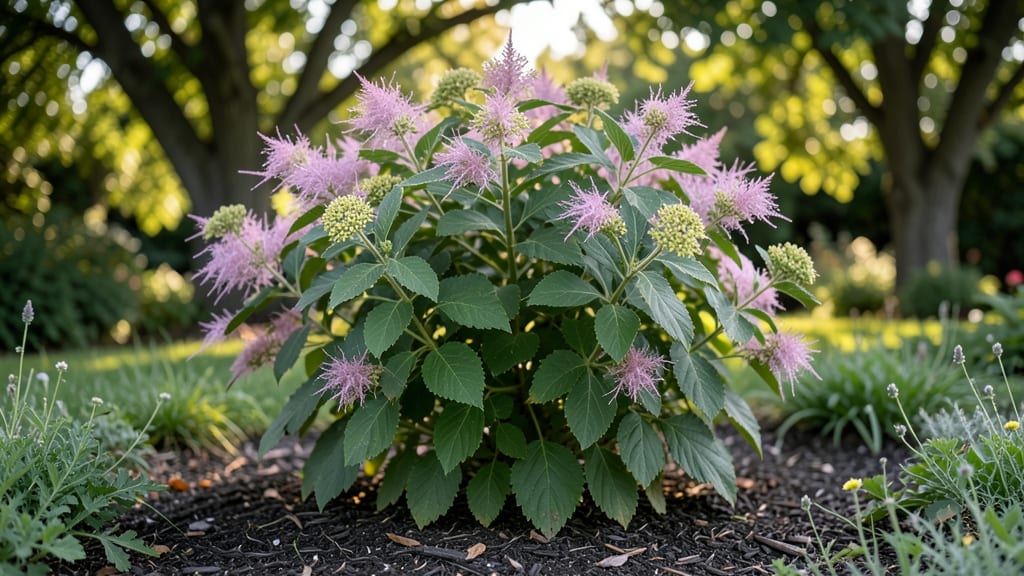
Growing a smoke bush 🌿 in sun or shade is all about balancing its love for light with your garden's conditions — and the difference between a vibrant shrub and a struggling one often comes down to just a few adjustments.
Struggling to keep your smoke bush (Cotinus) looking vibrant year-round? The battle between sun and shade can make all the difference in its growth, foliage color, and overall health—but getting it right is easier than you think.
This hardy shrub thrives in full sun but also adapts to partial shade, especially in hotter climates where afternoon shade protects its delicate leaves from scorching. The key? Matching the right variety to your light conditions and making small tweaks like soil prep or pruning to boost its resilience.
In this guide, I’ll break down the ideal sunlight mix for your smoke bush, how to spot signs of stress, and the easiest ways to keep it lush whether it’s basking in the sun or tucked under dappled shade.
 Best Window Placement
Ideal sunlight conditions for smoke bush growth and vibrant foliage
Your smoke bush (Cotinus coggygria) thrives on sunlight, but finding the perfect balance between full sun and partial shade can transform its foliage from ordinary green to stunning purple, pink, or burgundy hues.
Too much direct sun risks leaf scorch, while too little shade dulls its signature plume-like seed heads. Let’s break down the ideal light conditions to keep your smoke bush lush and vibrant year-round.
Most smoke bush varieties prefer 6 to 8 hours of sunlight daily, but their tolerance for partial shade makes them versatile for different garden spots. For example, Royal Purple and Grace varieties shine in full sun, while Annapolis handles lighter conditions better.
Understanding these nuances ensures your plant’s foliage stays intense and colorful rather than fading to pale green.
| Sunlight Condition | Foliage Color Impact | Growth Rate | Best For |
|---|---|---|---|
| Full Sun (6+ hours) | Deep purple, pink, or burgundy | Fastest growth, bushier | Hot climates, containers |
| Partial Shade (3-6 hours) | Green or muted purple | Slower growth, leggier | Northern gardens, under trees |
| Deep Shade (<3 hours) | Pale green, weak color | Stunted, sparse foliage | Avoid unless variety-tolerant |
💡 Pro Tip: Morning sun + afternoon shade is ideal for hot climates to prevent leaf scorch.
In full sun, smoke bushes develop their most vibrant foliage colors, but they need protection from intense afternoon rays, especially in zones with high heat. If you notice brown, crispy edges on leaves, it’s a sign of sunburn.
To fix this, provide dappled shade with nearby trees or a lightweight shade cloth during peak hours (11 AM–3 PM).
For partial shade, aim for 3 to 6 hours of morning sun and filtered light in the afternoon. This setup works well in woodland gardens or under high-canopy trees.
However, expect less intense colors—your smoke bush may lean toward green or muted hues instead of the bold purples or pinks. If color is your priority, supplement with a balanced fertilizer (10-10-10) in early spring.
Seasonal adjustments are key to year-round health. In summer, reduce direct sun exposure by 1 to 2 hours to prevent stress. In winter, embrace full sun to boost growth for spring.
Mulch around the base with 2–3 inches of organic matter to retain moisture and regulate soil temperature, which helps mitigate light-related stress.
If your smoke bush is already struggling in low-light conditions, don’t despair. Prune back overly leggy stems to encourage bushier growth and expose more foliage to light.
You can also transplant to a sunnier spot in early spring, ensuring the roots have time to adjust before summer heat sets in.
For container-grown smoke bushes, place pots in south- or west-facing spots to maximize sunlight. Rotate containers every 2–3 weeks for even growth, and use lightweight, well-draining soil to prevent root rot from overwatering. Containers dry out faster, so monitor soil moisture closely during hot, sunny days.
Watch for leaf scorch, which appears as brown, papery patches on foliage. This is often a sign of too much sun combined with dry soil. Increase watering frequency in summer heat and apply a 1-inch layer of mulch to retain moisture.
If scorch is severe, trim affected leaves to encourage new growth and improve airflow around the plant.
Remember, smoke bush foliage color is directly tied to sunlight exposure. The more direct light your plant receives, the more intense its colors will be.
Experiment with different light conditions in your garden to find the sweet spot where your smoke bush thrives—whether that’s full sun glory or gentle partial shade.
With the right sunlight strategy, your smoke bush will reward you with lush, colorful foliage and dramatic plumes that last well into fall. Start by assessing your garden’s light conditions, then adjust care routines to match—your smoke bush will thank you with year-round vibrancy! 🌿
How to adapt your smoke bush to shade or low-light conditions
If your smoke bush (Cotinus) is struggling in shady spots, don’t despair! While these shrubs prefer full sun, they can thrive in partial shade with the right adjustments.
The key lies in soil enrichment, strategic pruning, and selecting shade-tolerant varieties. I’ve helped revive multiple smoke bushes in low-light gardens—here’s how you can too.
First, assess your light conditions. Smoke bushes tolerate 2-6 hours of direct sun daily but may show pale foliage or slow growth with less.
If your plant is in deep shade (less than 2 hours of sun), focus on soil fertility and pruning techniques to encourage vibrant growth. Let’s dive into actionable steps to transform your shade-loving smoke bush into a showstopper.
🌿 Key Strategies for Shade Adaptation
- 🌱 Soil: Amend with compost and organic matter (e.g., peat moss or aged manure) to boost nutrients.
- ✂️ Pruning: Trim overcrowded branches in early spring to improve airflow and light penetration.
- 🌿 Variety: Choose Cotinus obovatus (American smoke bush) for better shade tolerance than Cotinus coggygria.
- 💧 Watering: Keep soil consistently moist but avoid waterlogging, which stresses roots.
- 🌳 Companions: Plant with hostas or heucheras to create a microclimate with better light reflection.
⚠️ Warning: Avoid heavy-handed fertilizing in shade—it can lead to leaf burn or weak stems.
Start by amending your soil with organic compost or a slow-release fertilizer like 10-10-10. Smoke bushes in shade need extra nutrients to produce their signature purple or pink foliage.
Work 2-3 inches of compost into the topsoil around your plant’s root zone. For container-grown smoke bushes, repot with a well-draining potting mix blended with perlite to prevent compaction.
Pruning plays a critical role in shade adaptation. In early spring, remove dead or crossing branches to open the canopy and allow more light penetration. You can also lightly shear the outer foliage to encourage denser, bushier growth.
Avoid heavy pruning in fall, as this can stress the plant before winter dormancy. If your smoke bush looks leggy or sparse, a rejuvenation pruning in late winter can stimulate new growth.
Selecting the right smoke bush variety makes all the difference. Cotinus obovatus (American smoke bush) handles shade better than Cotinus coggygria (European smoke bush) and produces golden fall foliage even in low light.
For deep purple leaves, try ‘Grace’ or ‘Royal Purple’, though they may need slightly more light to maintain intensity. If your goal is low-maintenance shade tolerance, ‘Annapolis’ is a top pick for its adaptability.
Companion planting can boost your smoke bush’s success in shady spots. Pair it with hostas or heucheras to create a microclimate with better light reflection. Avoid planting under tall trees like oaks or pines, as their aggressive root systems compete for nutrients and moisture.
Instead, opt for understory plants that thrive in similar conditions, like foamflower (Tiarella) or Japanese painted fern (Athyrium).
Troubleshoot slow growth or pale foliage by checking for nutrient deficiencies. Yellowing leaves often signal iron or nitrogen deficiency, while weak stems may indicate phosphorus lack. Apply a balanced fertilizer in early spring and a foliar spray of chelated iron if needed.
If your smoke bush isn’t responding after 2-3 months, consider transplanting it to a sunnier location—some varieties simply can’t thrive in deep shade long-term.