
Shrubs
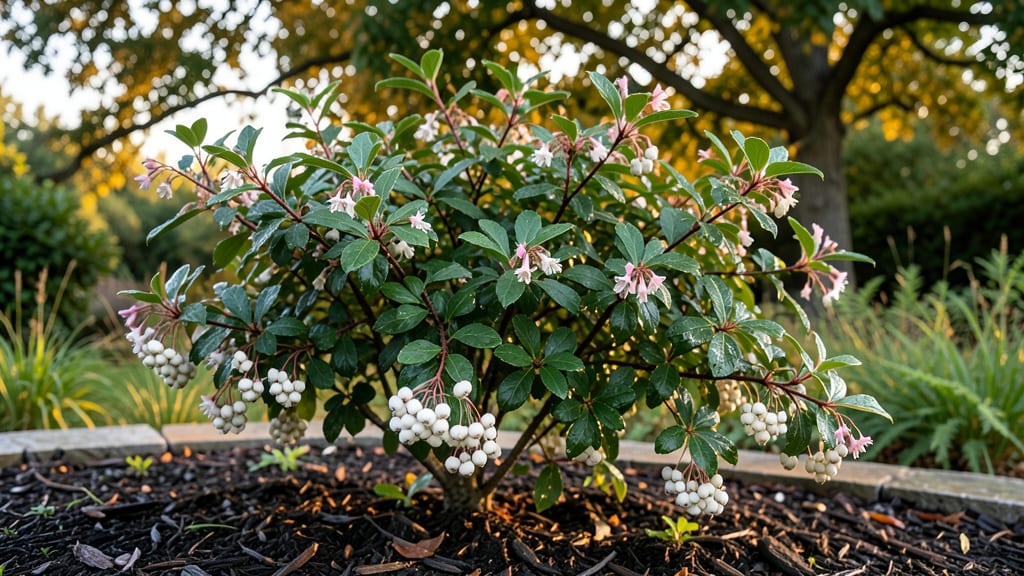
The Snow White bush transforms your garden into a dreamy winter wonderland—even when it's not snowing. ✨ Its creamy blooms stand out against dark evergreens or bold foliage, making it the perfect focal point for borders, entryways, or mixed shrub beds where you want soft elegance.
This isn’t just a pretty face—it’s a year-round star. With the right deadheading technique, you’ll extend blooms into autumn, and its glossy green leaves add texture when flowers fade.
Pair it with lavender for contrast or heuchera for layered interest, and you’ve got a low-maintenance combo that thrives in partial shade to full sun.
📚 In This Guide
- What you need
- Instructions
- Tips and common mistakes
- Wrapping up and next steps
What you need
- ● Pruning shears: Bypass pruners (sharp, clean, and sterilized—think of them as your bush’s spa tools!). Quantity: 1 pair (or 2 if you’re multitasking!).
- ● Gloves: Heavy-duty gardening gloves (to protect from thorns and dirt—your hands will thank you!). Material: Nitrile-coated for grip.
- ● Disinfectant: 70% isopropyl alcohol or a gardening-specific sanitizer (to prevent disease spread). Quantity: Small spray bottle.
- ● Trash bag: Sturdy, leak-proof bag (for spent blooms—keep your workspace tidy!). Size: 13-gallon or larger.
- ○ Pruning saw: Optional but handy for thicker stems (if your Snow White Bush has woody branches). Blade type: Fine-toothed.
- ● Timing: Deadhead in the morning (when blooms are dry) for easier cleanup. ☀️
- ● Weather: Wait for dry, calm conditions—wet stems can harbor fungal spores. 🌡️
- ● Know your bush: Snow White Bush (Brugmansia or Datura)? Adjust pruning style (e.g., Brugmansia thrives with selective deadheading to encourage more blooms). 💡
- ● Safety first: Wear eye protection if your bush is near high-traffic areas (those blooms can explode when touched—yes, really!). 👓
Step-by-step guide to deadheading your Snow White Bush for year-round blooms
Here's how I keep my Snow White Bush flowering like clockwork—no gaps, no bare stems, just endless fragrance.
🌿 Step 1: Identify the Right Blooms to Trim
Focus on spent flowers only—never cut healthy buds or new growth. The Snow White Bush blooms in waves, so I wait until at least 50% of petals fall naturally before deadheading. This ensures I don't accidentally prune next season's flowers.
Run your thumb along the flower stem—if it feels woody and dry, it's ready. Fresh blooms still have soft stems and green tips. I always work in the morning after dew dries but before noon heat to avoid stressing the plant.
✂️ Step 2: Cut at the Right Spot for New Growth
Use clean, sharp pruners and cut just above a set of leaves where the stem meets the main branch. This is called the "bud union"—the spot where new growth will emerge. For Snow White Bush, I look for the first leaf set below the dead bloom, then cut ¼ inch above it.
Never cut into bare stem—you'll leave a wound that invites disease. If you accidentally cut too far, don't worry. The plant will still produce new shoots from nearby leaf nodes, though they may take 2-3 weeks to appear.
🌱 Step 3: Encourage Bushier Growth After Pruning
After deadheading, I step back and examine the plant's shape. If branches look sparse, I pinch back the tips of new shoots to encourage branching. This is where the "bush" in Snow White Bush comes from—thicker growth means more flowers later.
Water deeply right after pruning to help the plant recover. The roots need moisture to support new growth. I use 1 gallon per plant applied slowly at the base—never overhead. Wet foliage attracts pests and can cause fungal issues.
☀️ Step 4: Adjust Care for Seasonal Blooming
In spring and summer, deadhead every 3-5 days to keep flowers coming. In fall and winter, reduce to weekly unless you see buds forming. The Snow White Bush needs 6+ hours of sunlight daily to rebloom consistently—mine in a south-facing spot gets morning sun and afternoon shade.
Here's the thing—I never fertilize right after deadheading. Wait 2 weeks first. The plant uses that time to recover and establish new roots. Then I apply a balanced 10-10-10 fertilizer at half strength to support the next bloom cycle.
⏰ Step 5: Plan for Year-Round Maintenance
Mark your calendar for late winter—that's when I do my major pruning to shape the bush. Cut back any leggy growth by ⅓ to encourage dense new growth. This is also when I check for dead or crossing branches and remove them completely.
Real talk: I've killed Snow White Bushes by over-pruning in winter. Don't cut into old wood—only remove growth from the current season. If you're unsure, err on keeping more than you think you should. The plant forgives light cuts better than aggressive ones.
Tips & tricks for perfect Snow White Bush deadheading
These little details make all the difference between a bush that blooms sporadically and one that stays lush and fragrant year after year.
Timing Secret: I've learned the hard way that morning is the absolute best time to deadhead. The dew has evaporated, but the heat of the day hasn't arrived yet. This gives your plant a full day to recover before nighttime cooling. I always set my alarm for 7:30 AM—trust me, your bush will thank you with more vibrant blooms.
Tool Technique: Never use scissors or dull pruners—they crush stems and create jagged cuts. Invest in a good pair of bypass pruners and keep them sharp. I clean mine with rubbing alcohol after each use to prevent disease transmission between cuts. The clean cut heals faster and looks more professional too.
Visual Cue for Pruning: When you're looking for that perfect cut point in Step 2, imagine you're drawing an invisible line between the dead bloom and the first set of leaves below it. Your cut should be just above that line, leaving a tiny bump where new growth will emerge. This little bump is your visual confirmation that you've cut in the right spot.
Seasonal Strategy: The 3-5 day deadheading schedule in spring and summer might seem frequent, but it's what keeps your Snow White Bush producing continuously. I mark my calendar with reminders—setting a recurring alert for every 4 days keeps me consistent. In fall and winter, I switch to weekly checks, but I always look for those new buds forming before deciding whether to prune.
Pro Tips for Snow White Bush
- These little details make all the difference between a bush that blooms sporadically and one that stays lush and fragrant year after year.
- Timing Secret: I've learned the hard way that morning is the absolute best time to deadhead.
- Tool Technique: Never use scissors or dull pruners—they crush stems and create jagged cuts.
Frequently asked questions
What’s the best time to deadhead a Snow White Bush for year-round blooms?
Deadhead Snow White Bush (often Hydrangea arborescens) right after flowering—typically late spring to early summer. For continuous blooms, trim spent flowers every 2–3 weeks during the growing season (spring to fall). Avoid heavy pruning in late summer, as new buds form on old wood!
Can I deadhead in winter? Will it hurt the plant?
No—never deadhead in winter! The plant is dormant, and pruning then can damage buds for next year’s blooms. Wait until early spring (when new growth appears) to do any major shaping. Focus on removing dead or diseased stems instead.
What if my Snow White Bush isn’t blooming after deadheading?
Check these fixes:
- Light: Ensure it gets partial shade (morning sun, afternoon shade). Too much sun can stress the plant.
- Water: Keep soil consistently moist but not soggy—drought stress delays blooms.
- Fertilizer: Use a balanced, acid-loving plant fertilizer in early spring.
- Pruning timing: If you pruned too late (after July), next year’s buds may not form.
Are there alternatives to deadheading for maintaining fragrance?
Yes! While deadheading encourages blooms, you can also:
- Prune selectively to improve airflow (reduces pests/disease).
- Fertilize with Epsom salt (magnesium sulfate) for lush, fragrant foliage.
- Mulch with pine needles or oak leaves to retain moisture and acidity.
- Plant companion flowers (like dwarf lilacs) nearby to attract pollinators and boost fragrance.
Why do my Snow White Bush leaves turn yellow or brown after pruning?
Yellowing/browning can signal:
- Over-pruning: Cutting into old wood (brown stems) removes next year’s blooms.
- Fungal issues: Wet foliage + poor airflow = powdery mildew. Prune for airflow and avoid overhead watering.
- Nutrient deficiency: Yellow leaves? Test soil pH (ideal: 5.0–6.0) and amend with peat moss or sulfur if needed.
If the problem persists, prune only the damaged areas and monitor for pests (like lace bugs).
Wrapping up and next steps
Mastering the art of deadheading your Snow White Bush ensures year-round fragrance and a stunning, healthy shrub. By following these simple steps—timing, technique, and aftercare—you’ll keep your bush blooming beautifully and smelling divine. Don’t let those spent blooms steal the show; take action and enjoy the rewards!
Ready to transform your garden? Grab your pruners, pick a sunny day, and get started! Your Snow White Bush will thank you with a burst of fresh blooms and intoxicating scent all season long. 🌸✨