
Pruning
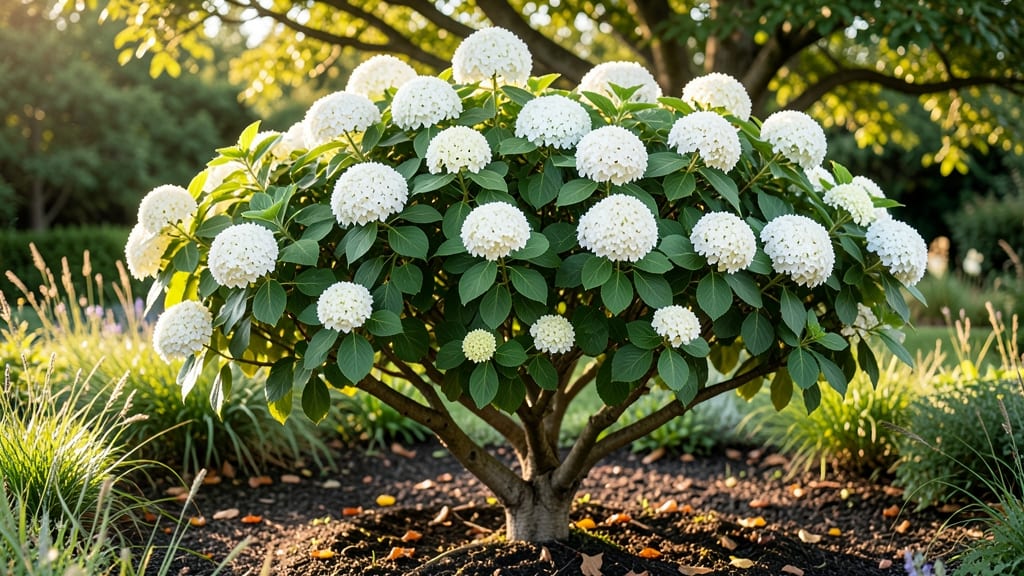
That first flush of snowy blooms in spring is what makes the Snowball Bush Blue so special—but keeping them coming all season is the real secret. 🌿 I’ve learned that deadheading isn’t just about looks; it’s the difference between a bush that peters out by summer and one that stays lush and productive until frost.
The key is timing, technique, and knowing exactly when to stop. Most gardeners overlook the blue-tinted foliage that makes this variety stand out, but it’s the foundation. Plant it where it gets morning sun and afternoon shade—too much direct light fades those gorgeous blue-green leaves.
Water deeply once a week, and you’ll see blooms thicken by midsummer. The real magic happens when you prune correctly: cut back spent flowers to the first set of leaves, but never more than a third of the plant at once.
By late summer, you’ll notice new buds forming where you deadheaded earlier. These late blooms are smaller but just as stunning, and they’ll last right through fall if you keep the soil moist.
The bush itself grows 6-10 feet tall, so give it space—it’s a statement plant, not a hedge. Here’s the trick I’ve perfected: prune lightly in early spring to shape the bush, then deadhead aggressively after each bloom cycle.
Avoid cutting into old wood, and you’ll have a Snowball Bush that looks like it’s in full bloom year-round.
📚 In This Guide
- What you need
- Instructions
- Tips and common mistakes
- Wrapping up and next steps
What you need
- ● Pruning shears: Bypass pruners (sharp, clean, and blank">bypass-style for precision cuts—avoid anvil pruners to protect tender stems). Quantity: 1 pair.
- ● Garden gloves: Heavy-duty, cut-resistant (to protect hands from thorns and sap). Quantity: 1 pair.
- ○ Disinfectant (optional but recommended): 70% isopropyl alcohol or a blank">garden disinfectant spray (to sterilize tools between cuts and prevent disease).
- ● Trash bag or bucket: Durable, lined (for collecting pruned branches and debris). Quantity: 1–2.
- ● Garden twine or zip ties: For securing large branches (if you’re removing heavy growth). Quantity: 1 roll.
- ● Timing: Deadhead right after the first flush of blooms fades (typically late spring/early summer) and again in early fall to encourage winter interest.
- ● Weather: Choose a dry, overcast day to minimize stress on the plant.
- ● Knowledge: Familiarize yourself with Viburnum opulus growth habits—cut just above a leaf node (not into wood) to promote new growth.
Instructions for reviving your snowball bush blue through deadheading
Here's how I transform a struggling blue snowball bush into a year-round bloomer—no fancy tools, just smart timing.
✂️ Step 1: Identify the Right Blooms to Deadhead
Wait until 50% of the flowers on a stem have faded before cutting. The blue snowball bush (Viburnum bodnantense) produces clusters, and you'll see the center flowers open first while outer ones stay fresh. Cut just above the first set of healthy leaves below the faded bloom—this ensures new growth emerges from a strong node.
I always use clean, sharp pruners (disinfected with rubbing alcohol) to avoid tearing stems. Look for stems where the center flowers have turned brown or papery—that's your cue. Never cut into green, healthy growth, or you'll sacrifice next year's blooms.
🌿 Step 2: Time Your Deadheading for Seasonal Blooms
For winter blooms (late fall to early spring), deadhead after each flush of flowers fades—usually every 4-6 weeks. Summer blooms (on the same plant!) need deadheading right after they finish, around late June to early July. The key is consistency: I mark my calendar with bloom cycles to stay ahead.
Here's the thing—if you miss a cycle, don't panic. The bush will still bloom, just not as prolifically. But if you're consistent, you'll get two full bloom seasons per year instead of one. Just watch for new buds forming at the stem base after each cut—that's your sign you're doing it right.
🌱 Step 3: Encourage New Growth with Strategic Cuts
After deadheading, step back and assess the plant's shape. Snowball bushes naturally grow in rounded forms, so I aim to maintain that silhouette. Cut back any overly long or leggy stems by one-third to encourage bushier growth. Always cut at a 45-degree angle just above a leaf node facing outward.
This is where many gardeners go wrong—they cut too aggressively and stimulate too much new growth too late in the season. If you're deadheading in late summer, hold off on heavy pruning until spring. The goal is to balance bloom production with plant health, not force it.
💧 Step 4: Adjust Watering After Deadheading
Water deeply right after pruning to help the plant recover. The roots need moisture to support new growth, especially if you've cut back stems. I water until 6-8 inches of soil feels damp—stick your finger in to check. Overwatering now causes root rot, so let the top inch dry between waterings.
Mulch with 2-3 inches of organic mulch (like shredded bark) to retain moisture and protect roots from temperature swings. This is particularly important in winter when the ground freezes and thaws. The mulch acts like a blanket, keeping roots stable while new buds develop.
☀️ Step 5: Monitor for New Buds and Repeat
Within 2-4 weeks after deadheading, you'll see new buds forming at the stem bases. These are your future blooms! Watch for the buds to swell and turn slightly green—that's when they're ready for another round of deadheading. I repeat this process every 4-6 weeks during the growing season.
Real talk: The first year you deadhead, you might see fewer blooms. That's normal—the plant is adjusting. But by year two, you'll have a bush that blooms from late fall through early spring, then again in summer. It's like giving your plant a second chance to shine.
Tips & tricks for perfect snowball bush blooms
These simple strategies will help you keep your blue snowball bush thriving and blooming all year long.
Visual Cues: In Step 1, look for the classic "50% faded" signal—center flowers will turn brown and papery while outer petals remain fresh. This is your exact cue to cut. I use a small magnifying glass to check stems with partial fading, as the difference between "ready" and "not ready" can be subtle. This precision prevents accidental pruning of healthy blooms.
Seasonal Timing Secret: The 4-6 week cycle between deadheadings in Step 2 is your rhythm for winter blooms. For summer blooms, mark your calendar for late June to early July—this is when the bush naturally finishes its second flush. I set phone reminders for these dates to avoid missing the window, as summer blooms are often overlooked but just as important for year-round color.
Cutting Technique: When you cut back leggy stems by one-third in Step 3, always make your cut at a 45-degree angle just above an outward-facing leaf node. This creates a larger surface area for water absorption and encourages growth in the direction you want. I practice this cut on a scrap piece of wood first to get the angle just right—it makes all the difference in how the plant responds.
Watering Wisdom: After pruning, the 6-8 inch deep watering in Step 4 is crucial, but timing matters too. Water in the morning so the leaves have time to dry before evening. I use a moisture meter to check soil dampness—it's more accurate than sticking my finger in and guessing. This prevents both underwatering and the dreaded root rot from overwatering.
Pro Tips for Snowball Bush Blue
- These simple strategies will help you keep your blue snowball bush thriving and blooming all year long.
- Visual Cues: In Step 1, look for the classic "50% faded" signal—center flowers will turn brown and papery while outer petals remain fresh.
- Seasonal Timing Secret: The 4-6 week cycle between deadheadings in Step 2 is your rhythm for winter blooms.
Frequently asked questions
Got questions about keeping your Snowball Bush Blue (Viburnum bodnantense) blooming year-round? You’re in the right place! Here are answers to the most common queries—from pruning tips to troubleshooting—so you can enjoy those stunning blue-white flowers all season long.
When is the best time to deadhead Snowball Bush Blue for continuous blooms?
Deadhead after each flush of blooms—typically in late winter/early spring (February–March) for the first wave, then again in fall (September–October) for potential late blooms. Avoid pruning in summer, as this can disrupt next year’s flowers. Pro tip: Use clean, sharp pruners to prevent disease!
Can Snowball Bush Blue handle cold winters, and does deadheading affect winter hardiness?
This plant thrives in USDA Zones 5–9 and is cold-hardy down to −15°F (−26°C). Deadheading doesn’t weaken the plant—focus on removing spent blooms only after they’ve faded. Mulch around the base in fall to protect roots.
What if my Snowball Bush Blue isn’t blooming? Could it be over-pruned or diseased?
Check these first:
- Pruning mistakes: Avoid cutting back old wood—this plant blooms on last year’s growth. Only trim dead or crossing branches.
- Disease: Look for black spots (fungus) or yellowing leaves (overwatering). Treat with fungicide if needed.
- Sunlight: Ensure it gets 6+ hours of sun daily.
Are there alternatives to Snowball Bush Blue for year-round color?
Yes! Try these low-maintenance, cold-hardy shrubs for seasonal blooms:
- Winter Jasmine (Jasminum nudiflorum) – Yellow flowers in winter.
- Dwarf Fothergilla (Fothergilla gardenii) – White spring blooms + fall color.
- Heather (Calluna vulgaris) – Purple/pink blooms in late fall/winter.
What should I avoid when deadheading Snowball Bush Blue?
Steer clear of these common pitfalls:
- Pruning in summer – Triggers new growth that won’t harden before winter.
- Cutting back more than 1/3 of the plant – Reduces next year’s blooms.
- Using dull or dirty tools – Spreads disease. Sanitize pruners with rubbing alcohol!
Wrapping up and next steps
The Snowball Bush Blue is a stunning addition to any garden, and with the right deadheading techniques, you can enjoy its lush blooms year-round! 🌸 By mastering pruning timing, tools, and aftercare, you’ll transform your shrub into a vibrant focal point that keeps giving.
Whether you’re a seasoned gardener or just starting, these secrets make maintenance effortless—and the payoff is pure joy.
Ready to revitalize your garden? Grab your pruners, mark your calendar for seasonal checks, and watch your Snowball Bush Blue thrive like never before. Start pruning today—your future blooms will thank you!